f f f f f f f f f f f f f f f f f f
13°C
clear sky
0 Tours

Destinations of Iran

Ramsar Uncovered

The Caspian’s Green Embrace

Ramsar lies on Iran’s Caspian coast in Mazandaran, where the northern slopes of the Alborz approach the sea. Its modern identity owes much to Pahlavi-era resort development, visible in the Old Hotel and Ramsar Palace, built as a royal retreat for Reza Shah. The city also gave its name to the Ramsar Convention, the international wetlands treaty adopted here in 1971.

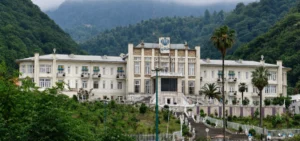
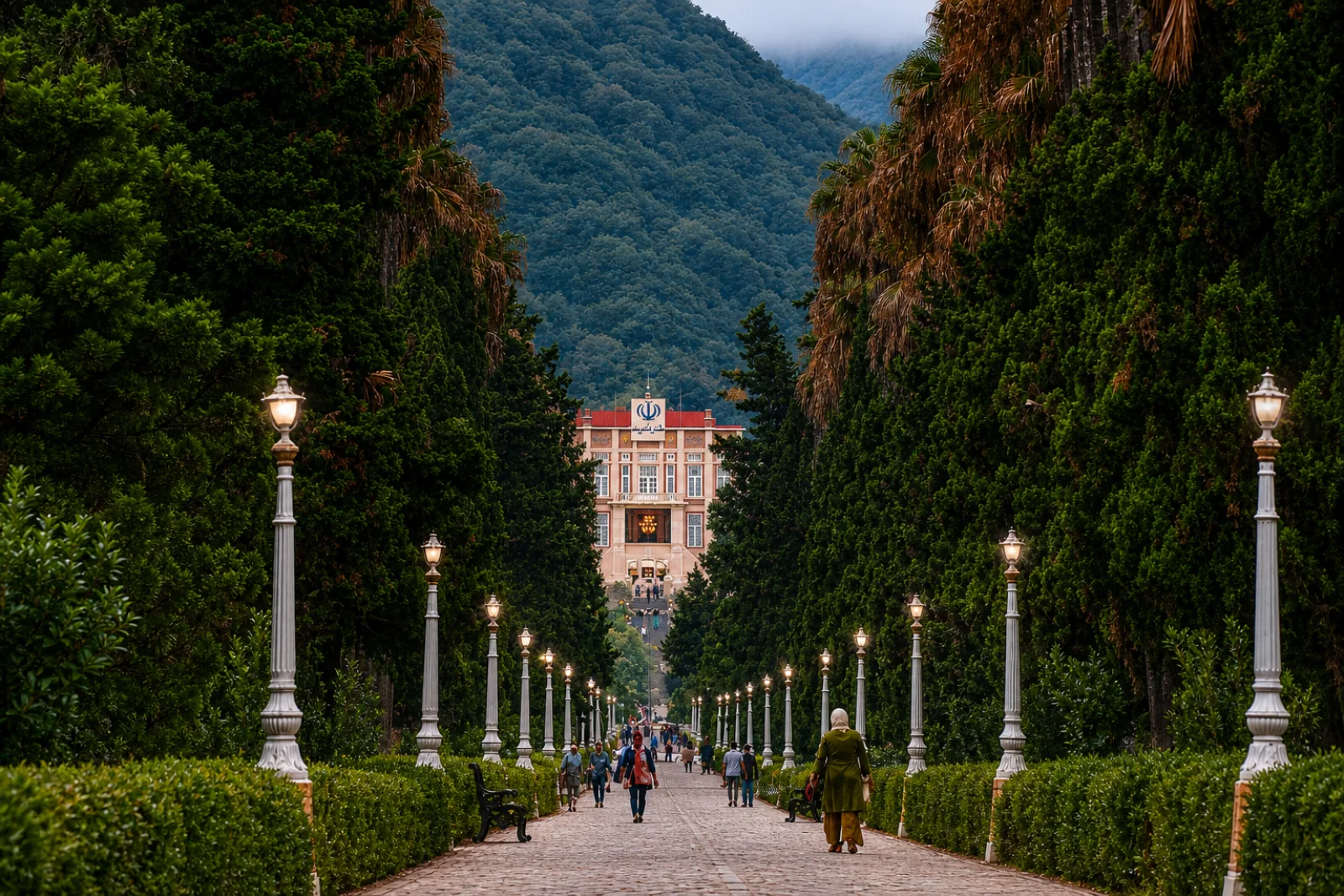
The palace, now associated with a museum collection, and its landscaped grounds offer a different perspective from the seafront. The Old Hotel’s formal façade and hillside setting recall the state-sponsored leisure architecture of the twentieth century. Beyond these landmarks, Ramsar belongs to a Mazandarani cultural landscape shaped by rice cultivation, citrus orchards and local food traditions, rather than simply beach tourism.

Javaherdeh, a mountain village above Ramsar, and the forested Safarud valley place the coastal town in its wider Alborz setting. Treat the seafront, historic resort quarter and mountain hinterland as distinct settings rather than one compact sightseeing area; current access to palace interiors requires confirmation.

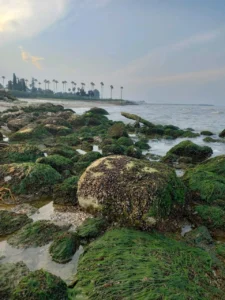
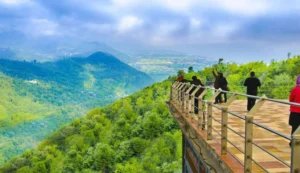
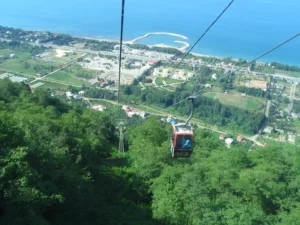
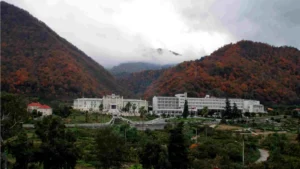
Ramsar – a prominent neoclassical building is set dramatically among green hills, its symmetrical facade and broad stairs framed by lush vegetation. A rocky shoreline with green algae and a line of tall palm trees frames the coast, photographed as seen in Ramsar. A scenic overlook near Ramsar features a viewing platform where visitors enjoy expansive views across the deeply forested mountains and valley. A cable car travels above lush forest with a panoramic view of a coastal town and seafront, presented with Ramsar as unverified context. Ramsar hotel complex is set amid lush gardens at the base of steep, forested mountains, showcasing the area's distinctive natural scenery.
Ramsar Highlights
  • Ramsar’s meeting point of Caspian shoreline and steep Alborz mountain scenery.
  • Walk forested foothills near Ramsar within the Hyrcanian woodland belt.
  • See the Ramsar Palace complex’s manicured gardens and distinctive Pahlavi-era architecture.
  • Try local hot-spring baths around Ramsar; facilities and access need confirmation.
  • Photograph sea-to-mountain panoramas from upland viewpoints above Ramsar after clear weather.
  • Sample Mazandarani flavours in Ramsar’s markets: citrus, olives and smoked fish.
Best Time to Visit Ramsar

Ramsar lies between the Caspian Sea and the northern slopes of the Alborz Mountains, so its climate is humid rather than desert-dry. Summers are warm and often muggy along the coast; allow for slower walks and choose lighter clothing that dries readily. Spring brings green foothills and generally gentler conditions, though rain can interrupt outdoor plans. Autumn offers cooler days, but coastal walks and forest outings still need a waterproof layer rather than an assumption of settled weather.

Winter is relatively mild by the sea compared with Iran’s high interior, yet damp air and rain can make it feel chilly. Conditions change as you climb into the mountains: higher ground can be much colder, with snow in winter. For trips above Ramsar, carry extra layers and confirm current weather and road conditions locally; coastal conditions are not a reliable guide to the uplands.

How to Reach Ramsar

Ramsar lies on Iran’s Caspian coast in western Mazandaran, with the forested Alborz foothills close behind it. Road access follows the coastal corridor, with Tonekabon to the east and Chaboksar to the west serving as nearby approaches. This makes Ramsar a natural stop within a wider journey along the Caspian shore.

For travellers coming from Tehran, the overland journey crosses the Alborz towards the coast; the route and road conditions should be checked before departure. Air services and rail connections are not verified here, so confirm any proposed service and its onward road connection before building an itinerary around it.

Pahlavi-Era Resort Streetscape
Sakhtsar’s early-20th-century resort core was laid out with broad, tree-lined avenues, garden plots, and modernist villas built for Iran’s domestic seaside tourism. A royal palace complex nearby reinforced the city’s identity as a planned leisure town rather than an organic market settl...
City of Orange Groves
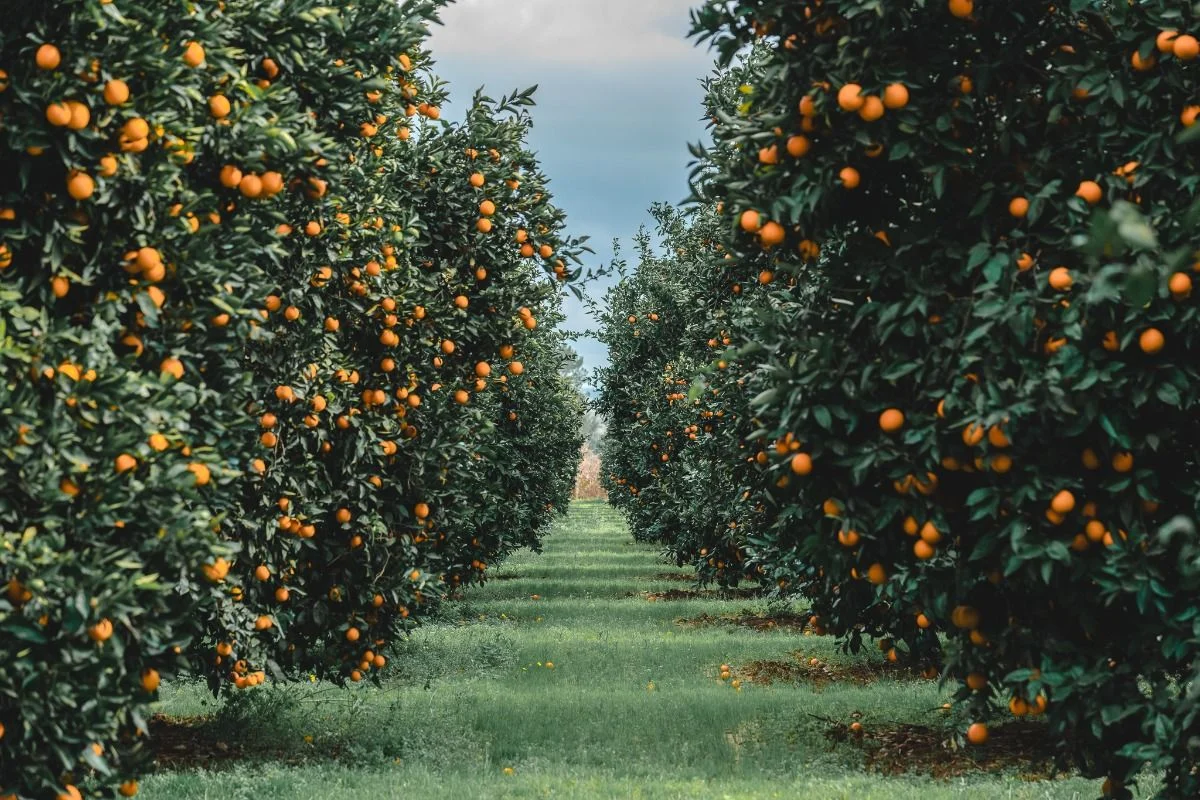
Ramsar is often nicknamed the “City of Orange Groves” for the citrus orchards that thrive in its humid Caspian-side climate. This green identity is tied to its setting between the Alborz Mountains and the sea, where mild air supports lush gardens and farms.

Explore Ramsar

No posts found

Find Your Way Around Ramsar

See all the key sights, landmarks, and hidden gems of Ramsar pinned exactly where they are — making it easier to plan your route and explore like a local.

Signature Tours including Ramsar

Keep Exploring

Discover Iran’s Most Beautiful Cities

Continue your adventure beyond Ramsar with a selection of destinations that truly showcase the diversity and beauty of Iran. From historic cities and cultural capitals to mountain escapes and desert wonders, each destination brings its own rhythm, stories, and unforgettable experiences.
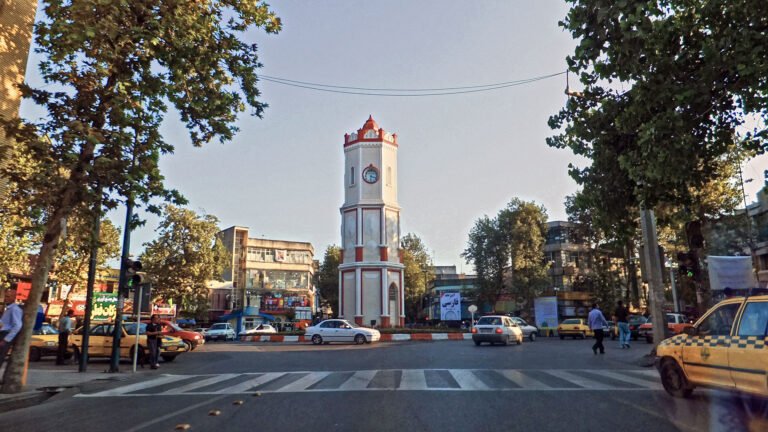
Tabriz-Clock
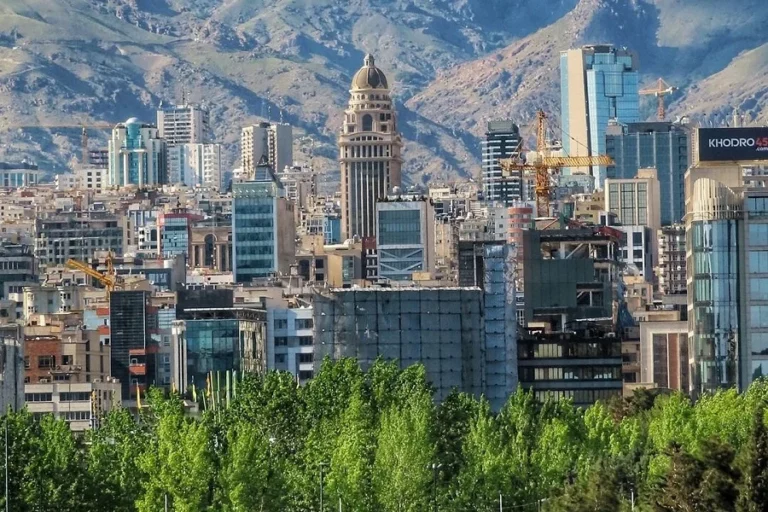
Tehran facing Alborz Mountains
Jameh_Mosque,_Kerman,_Iran_(1248469883)
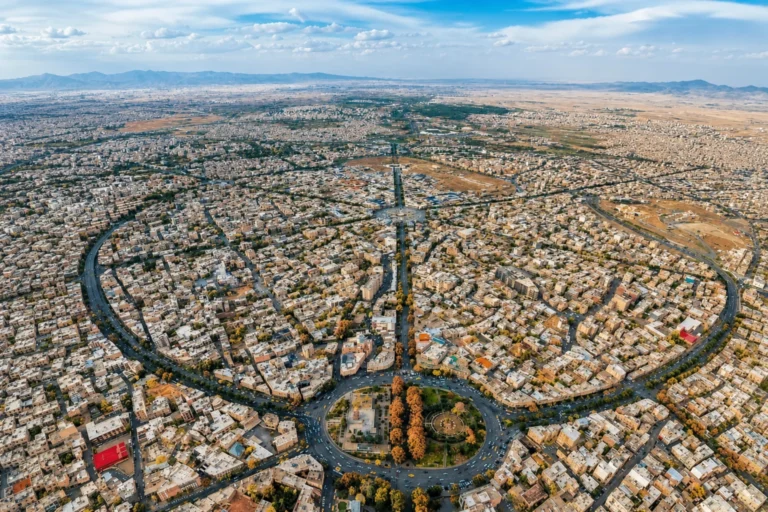
Wide aerial view of a city with a prominent circular plaza and streets radiating outward surrounded by dense urban buildings under a blue sky
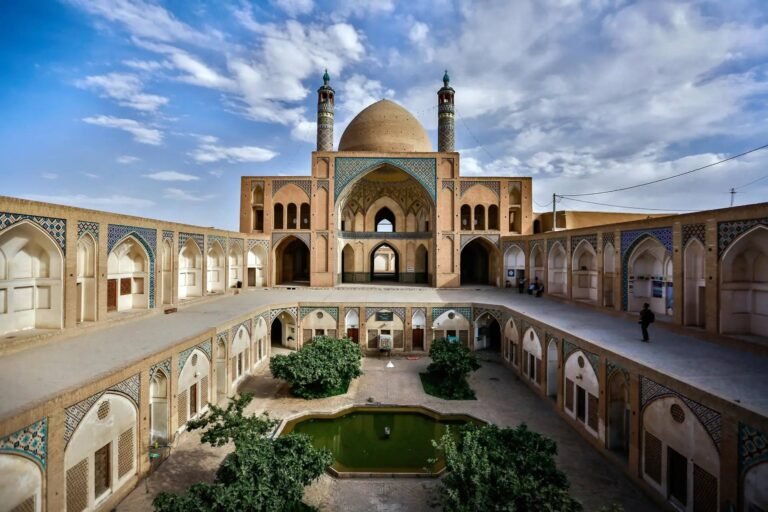
agha bozorg mosque kashan pardisan
sari-3-pardisan
Windcatchers-Yazd
Esfahan_Sheikh_lotfollah

Frequently Asked Questions about Ramsar

Plan one day around Ramsar’s Caspian waterfront and town sights, then reserve the second for the forested mountain slopes inland. This gives you a useful introduction to the area without spending most of your visit on winding roads. Keep the order flexible, choosing the clearer day for mountain views.

On your town day, combine a waterfront walk with the historic hotel district and, if open, the Ramsar Palace Museum. Check museum access locally before setting out, and leave time for a relaxed meal featuring northern Iranian dishes. Ramsar’s appeal is as much its lush setting and slower pace as its individual sights.

For the mountain day, consider an outing toward Javaherdeh, a highland village reached by a winding road. Arrange a driver or suitable transport in advance, agree on waiting time and the return journey, and carry a light waterproof layer even when the coast feels warm. If fog or heavy rain limits visibility, shorten the excursion rather than treating the village as a must-reach destination.

Pack for humidity on Ramsar’s Caspian coast and cooler, changeable conditions in the Alborz foothills. Lightweight, breathable clothing works well near the sea, but add a warm layer if you plan to visit higher villages such as Javaherdeh. A compact waterproof jacket is useful even when the day begins clear.

Choose shoes with good grip for forest paths, which can become muddy or slippery after rain. For longer walks, carry drinking water, snacks, and an offline map; cloud or mist can reduce visibility in the hills. Check the local forecast before leaving, and ask your accommodation about current road or trail conditions after heavy rainfall.

Bring sun protection for exposed coastal areas and a small waterproof pouch for your phone and documents. If swimming is part of your trip, check locally for designated bathing areas and current sea conditions rather than assuming every beach is suitable.

A combination of walking and taxis is generally the most practical way to explore Ramsar without driving. Walking works well for short outings around your accommodation or along accessible waterfront stretches, but the town’s sights are spread out, so do not assume everything is connected by a comfortable pedestrian route.

For longer journeys, ask your accommodation to help arrange a taxi or recommend a local driver. Agree on the fare before setting off, and clarify whether it covers a one-way journey, waiting time, or a return trip. Keep your accommodation’s address in Persian on your phone to make the journey back easier.

For mountain excursions, such as a visit to Javaherdeh, arranging a return journey is more dependable than expecting to find transport when you are ready to leave. Confirm pickup details and discuss road and weather conditions locally, as fog and rain can affect mountain travel. Avoid fitting a tight onward connection immediately after an excursion.

Ramsar’s cable car can still be worthwhile in light cloud, especially if you are interested in the forested slopes rather than panoramic views alone. However, low cloud or dense fog can obscure the Caspian Sea and surrounding mountains, so it is better treated as a weather-dependent outing than a guaranteed viewpoint.

Before heading out, ask your accommodation or the operator about visibility at the upper station and whether services are running. Conditions at sea level may differ from those higher up, and wind or other adverse weather may affect operations.

If the slopes are hidden by fog, consider postponing the ride and spending time around Ramsar’s historic hotel grounds or visiting the palace museum instead, subject to local access arrangements. If you do go, confirm the return arrangements before exploring the upper area, and allow extra time rather than arriving close to the advertised closing period.

Ramsar is known for its mineral hot springs, but a visit is best approached as a bathing experience rather than a guaranteed spa treatment. Facilities can differ in comfort, privacy, and maintenance, so ask your accommodation to recommend a currently operating bathhouse that suits your expectations.

Before going, confirm whether the facility offers private bathing rooms or shared pools, how bathing arrangements are organized, and what clothing is required. Ask whether towels, changing facilities, and showers are available; bringing your own towel, sandals, and a bag for wet items is sensible. If possible, inspect the bathing area before paying, particularly if cleanliness or accessibility is a concern.

Start with a short soak and leave the water if you feel dizzy, overheated, or uncomfortable. Mineral water should not be assumed safe to drink, and claims about therapeutic benefits are not a substitute for medical advice. Travelers who are pregnant or have heart, circulation, or other relevant health conditions should seek medical guidance before using hot baths.

Scroll to Top