

Discover the Treasures of Iran
Rasht Grand Bazaar
Gilan Gathered Around Flavour
- Attractions
- Rasht Grand Bazaar
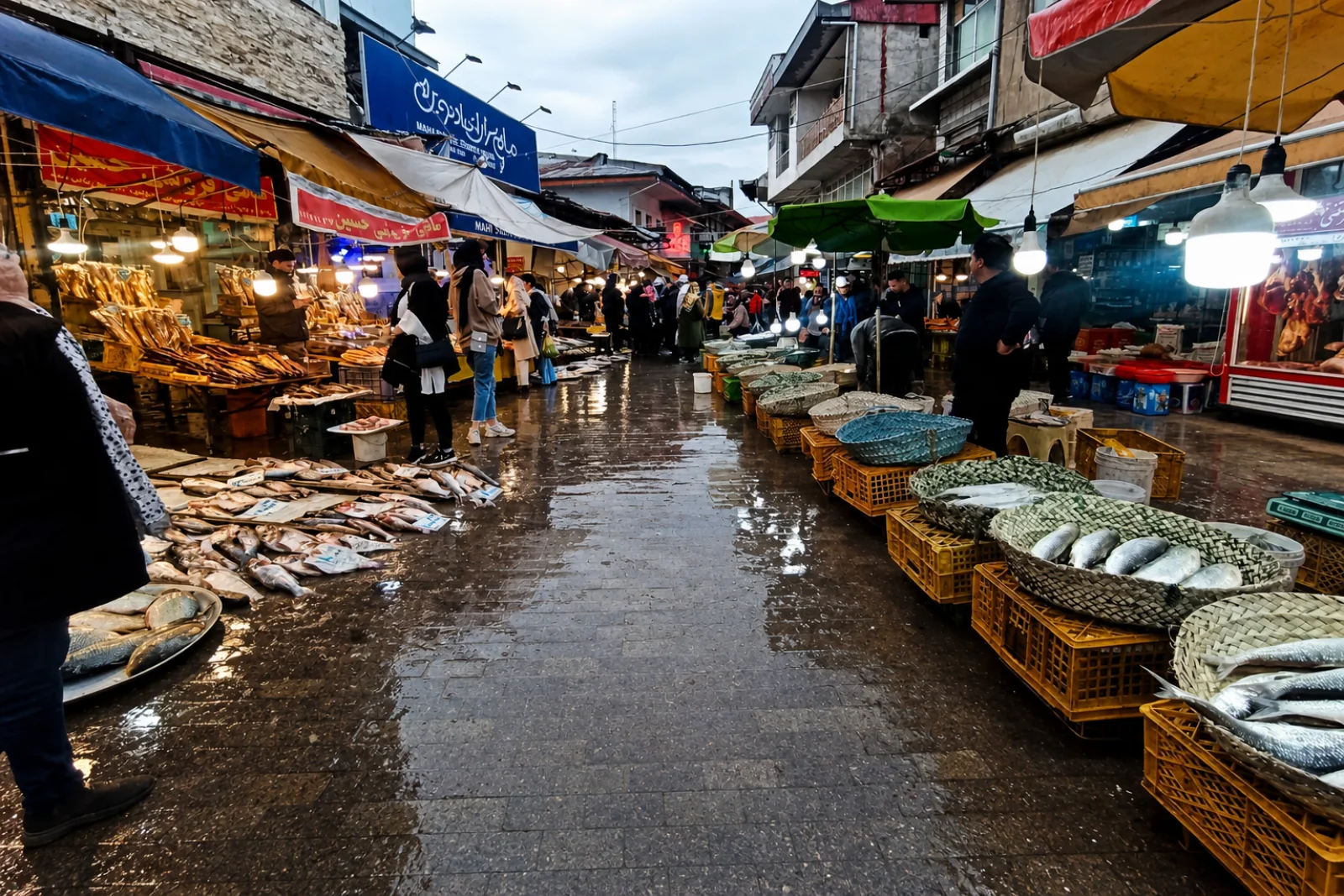
Rasht Grand Bazaar lies in the centre of Rasht, the capital of Gilan Province in northern Iran. It is an urban market on the Caspian plain, not a separate village or a coastal fish market. Its character comes from the close relationship between the city and Gilan’s rice-growing countryside: food trading remains central to the bazaar, rather than a secondary attraction alongside souvenir shops.
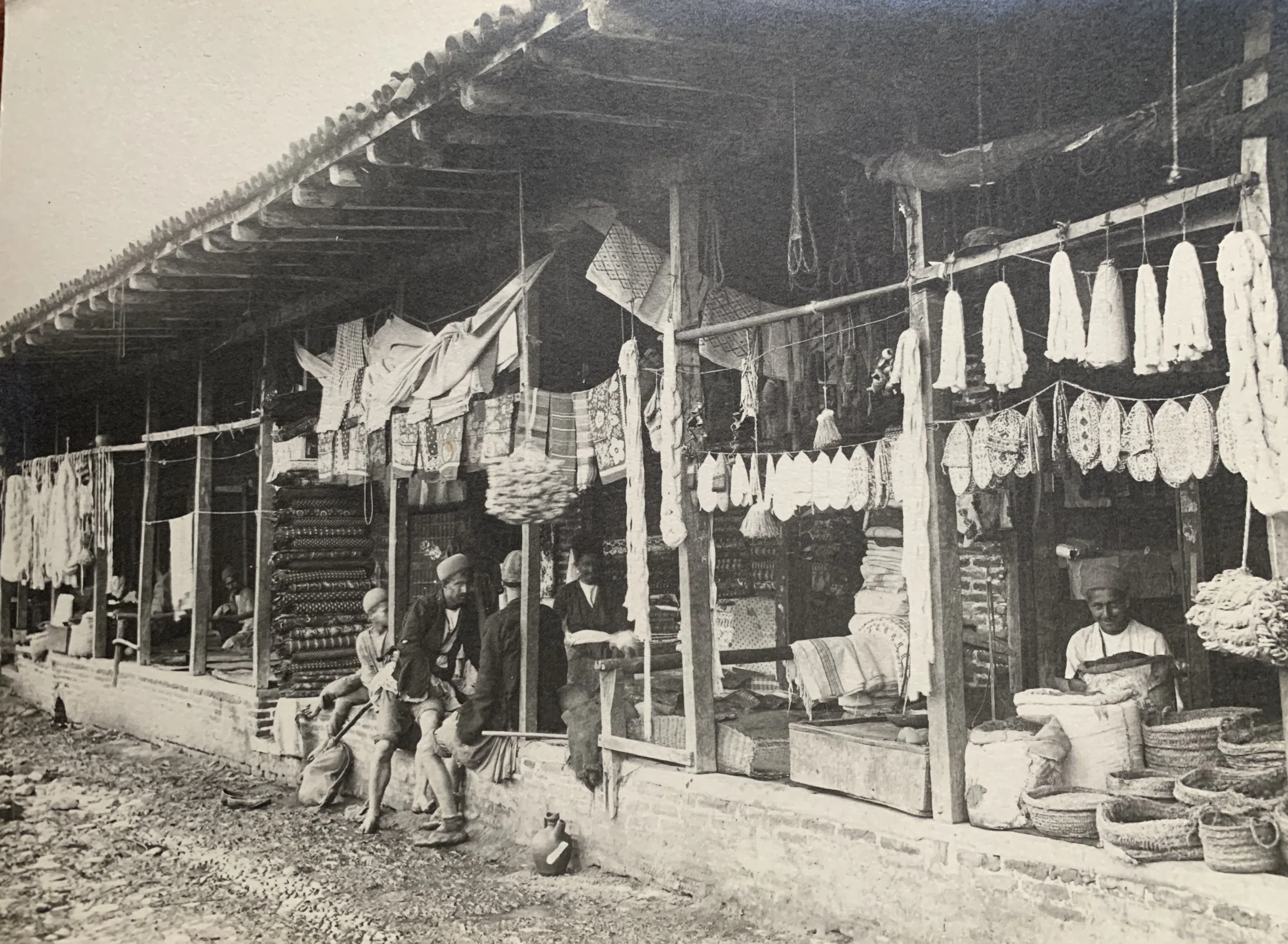
Unlike many Iranian bazaars organised beneath continuous brick vaults, Rasht’s market is largely open to the sky. A network of lanes, small squares, shops and stalls forms its main landscape, with awnings and individual covered sections rather than one monumental roof. Historic caravanserais, including structures associated with the Qajar period, reflect its older role as a place for merchants to store and exchange goods. The bazaar is best understood as a trading district that developed over time, not as a single building from one date.
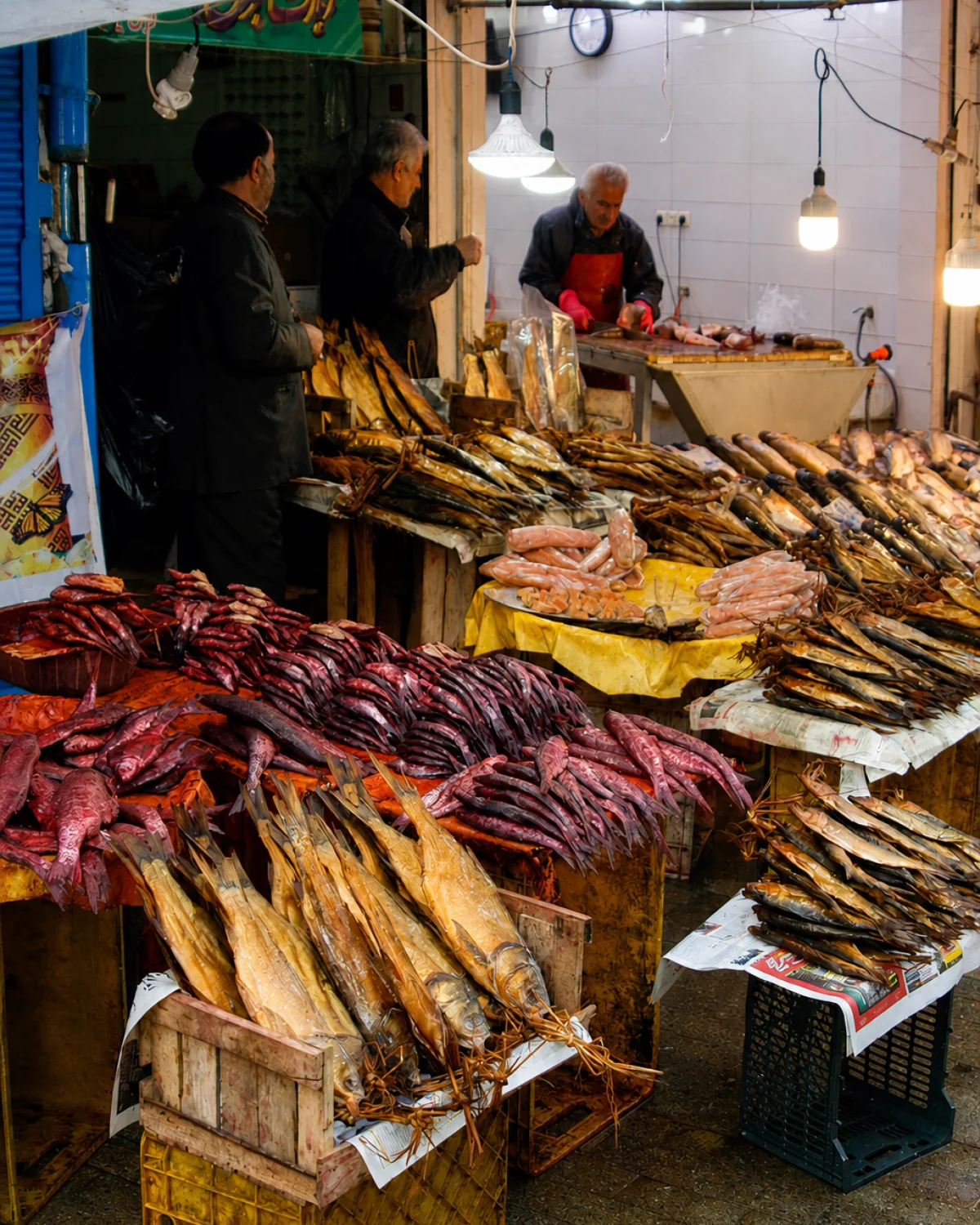
Fish, rice, seasonal vegetables, fresh herbs, garlic, olives and pickles give a visit its strongest sense of place. These ingredients connect the stalls to Gilaki cooking, with its emphasis on herbs, sour flavours and preserved foods. Walking through the produce and fish sections offers a grounded introduction to Rasht’s food culture through everyday shopping, displays and exchanges between traders and customers.
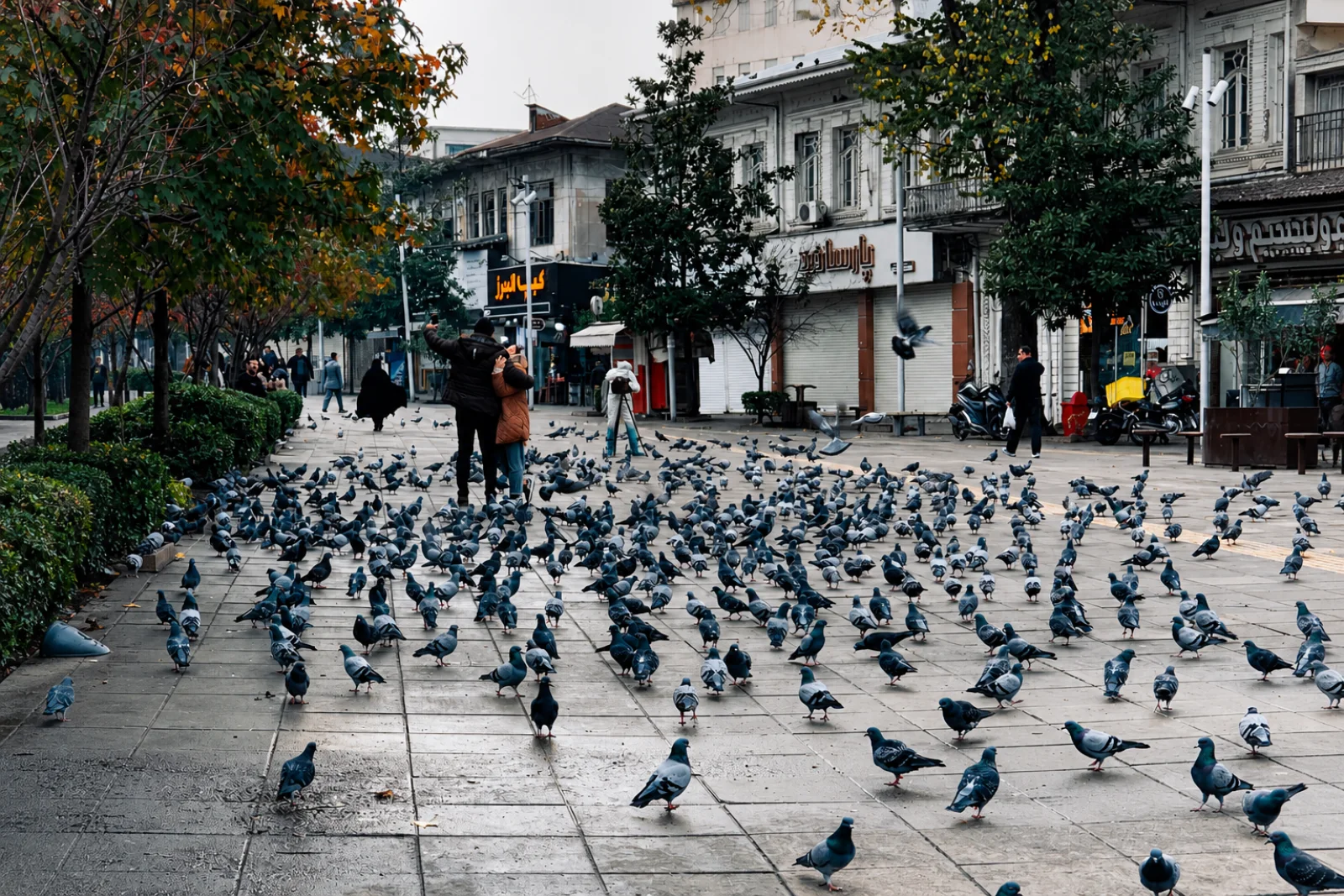
A Glimpse Into Rasht Grand Bazaar
See Rasht Grand Bazaar Through Moments
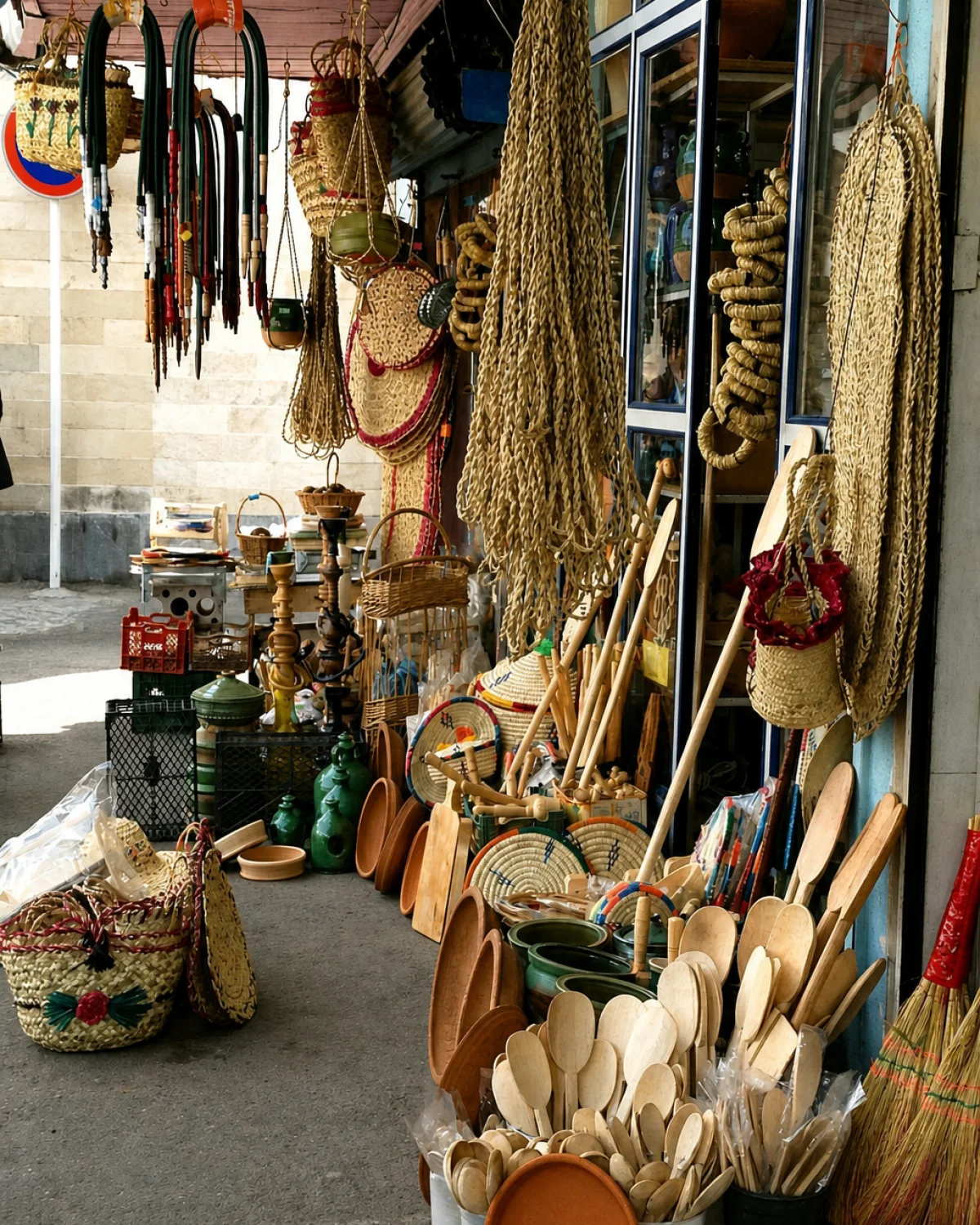
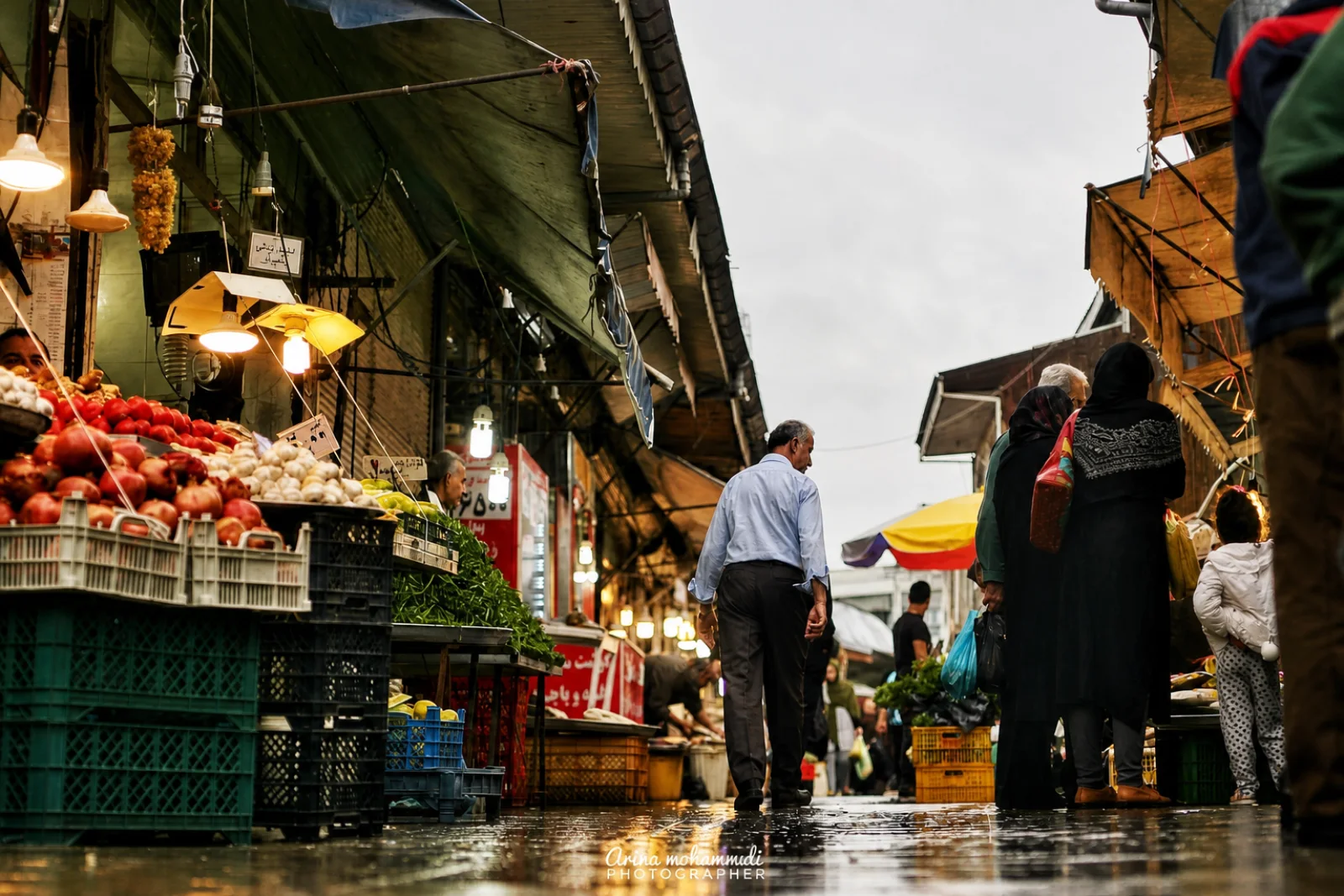
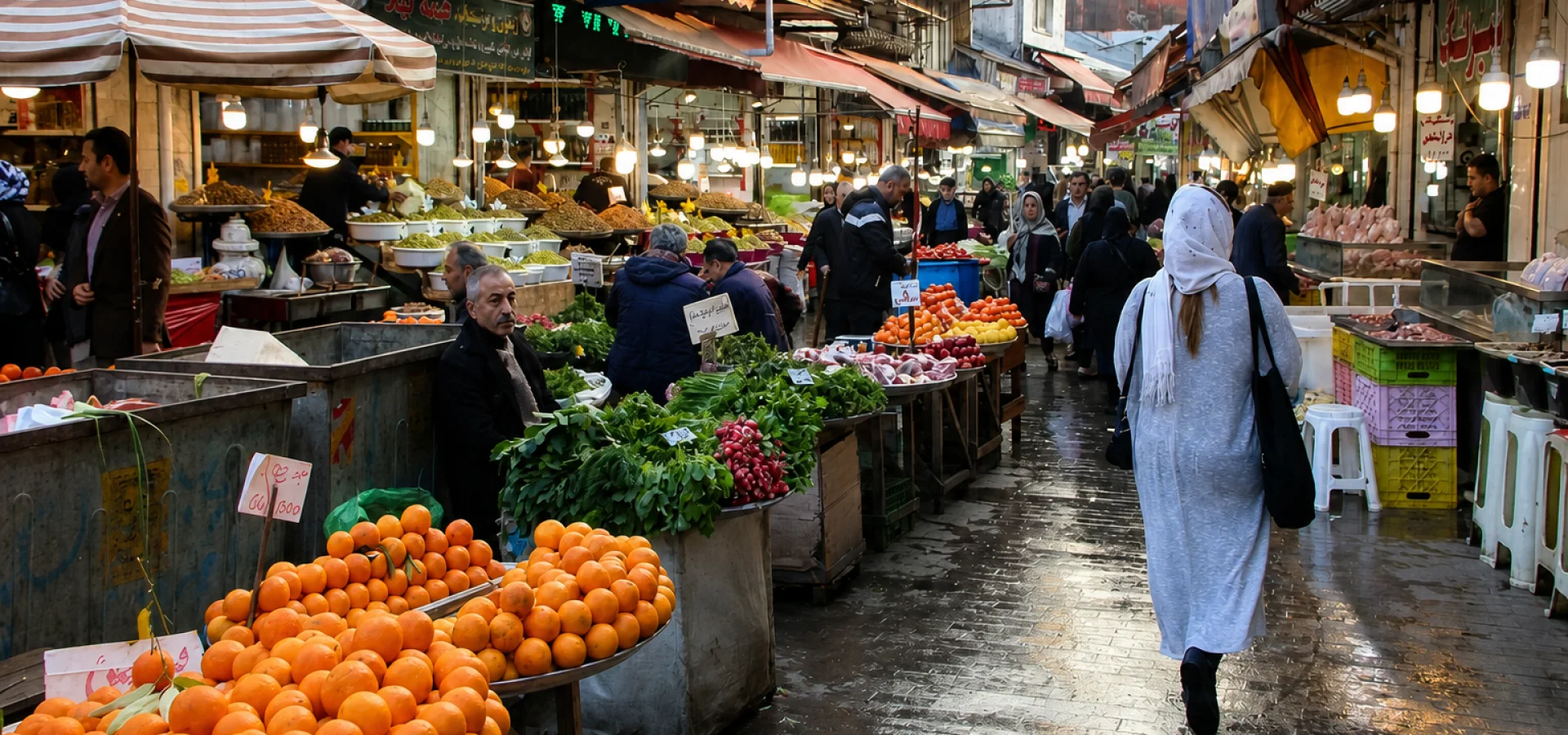
Visitor Information
Essential Information for Visiting Rasht Grand Bazaar
Carry small cash for everyday purchases; some stalls may not accept cards or may have intermittent connectivity, so it’s sensible to have a backup payment option.
If you plan to try snacks or cooked foods, choose busy vendors with high turnover and look for clean prep surfaces; if you have allergies, ask what’s in stews, pickles and herbs before ordering.
Keep an eye on your phone and wallet in crowded sections, and agree prices for non-labelled items (including spices and dried goods) before you commit.
Rasht can be rainy and pavements may get slick—comfortable, closed-toe shoes and a light waterproof layer make browsing easier.
If you want to photograph people at work, it’s polite to ask first; some vendors may prefer not to be photographed.
Signature Tours including Rasht Grand Bazaar
We Believe Your Journey Through Rasht Grand Bazaar Should Be Personal.
No results found.
Frequently Asked Questions about Rasht Grand Bazaar and Nearby Attractions
Rasht Grand Bazaar is best explored as a working food market, with the produce and flavors of Gilan at the center of the experience. Look for stalls selling fresh herbs, olives, garlic, rice, tea, and seasonal vegetables, alongside fishmongers and vendors offering pickles and other local specialties. Much of the appeal lies in watching everyday shopping unfold rather than following a fixed sightseeing route.
Morning is generally a good time to see the market active and browse fresh produce, though individual traders’ schedules vary. Allow around an hour or two for an unhurried wander, and wear shoes suited to crowded lanes and potentially wet or uneven ground. Rasht is known for rain, so a light waterproof layer can be useful.
Ask before tasting products or photographing vendors, and keep clear of customers and deliveries when stopping to look. Confirm prices and quantities before buying; for food sold by weight, make sure you understand the unit being quoted. If you plan to take food home, favor well-sealed, shelf-stable items and check your destination’s import restrictions before purchasing.
For a first visit to Rasht Grand Bazaar, aim for the morning, when food shopping and deliveries help reveal the market’s everyday rhythm. You are more likely to experience active produce stalls and local trade than later in the day, although individual vendors keep different schedules.
A weekday morning is a practical choice if you want to explore without combining your visit with a weekend or holiday outing. Iranian weekends and public holidays can affect trading patterns, so ask your accommodation which morning is likely to work best during your stay. Avoid relying on a single published opening time: this is a working market, not an attraction with one entrance and a uniform schedule.
Allow roughly an hour or two for an unhurried wander, with extra time if you plan to shop or stop for food nearby. Much of the bazaar experience is open-air, so check the forecast and bring a light waterproof layer for Rasht’s rainy weather. Wear shoes with good grip, as market lanes can be wet underfoot.
Treat Rasht Grand Bazaar as a working market rather than a sightseeing set. Keep narrow passages clear, step aside when stopping to check your phone, and give shoppers, vendors, and people moving goods enough room to pass.
Ask before photographing stallholders or customers, especially when taking close-up portraits, and accept a refusal without pressing. Before handling produce or sampling food, wait for an invitation or ask the seller; if you do not share a language, a gesture toward the item can help establish permission.
Confirm the price and quantity before a purchase, particularly when goods are sold by weight, and make sure you understand whether a quoted amount is in rials or tomans. Bargaining may be appropriate for some merchandise, but do not assume every price is negotiable; keep any discussion friendly and avoid prolonged haggling over small food purchases.
Treat Rasht Grand Bazaar as a network of market lanes rather than a single building with one obvious entrance. Before heading inside, save your arrival point on your phone and note a recognizable landmark on the surrounding street, so you have a clear place to return to.
Download an offline map of central Rasht, but use it mainly to orient yourself toward the surrounding streets; small passages and individual stalls may not be mapped accurately. For an easy first visit, follow one main lane, explore a few side passages, and retrace your route rather than trying to cover the entire market.
If arriving by taxi, agree on an identifiable drop-off point near the market’s edge rather than expecting door-to-door access to a particular stall. For a return pickup or group meeting, choose a named place on a vehicle-accessible street and save its location in Persian if possible.
Allow two full days in Rasht for a relaxed introduction to its bazaar, central streets, and distinctive Gilani cooking. Add a third day if you want an excursion beyond the city rather than squeezing sightseeing into arrival and departure days. Rasht rewards unhurried wandering and meals as much as a checklist of sights.
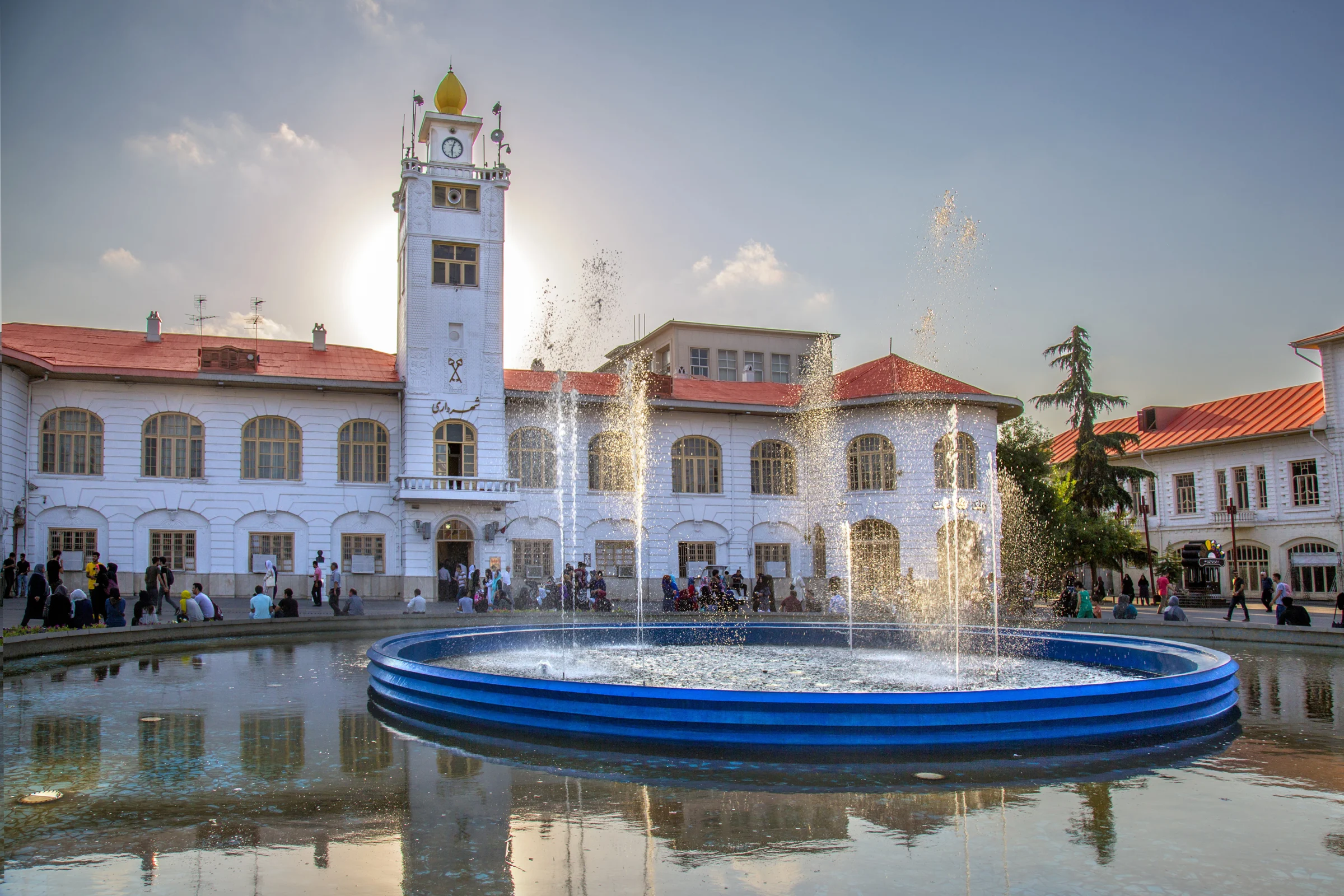
Spend your first day exploring Rasht Bazaar and the streets around Shahrdari Square, leaving time to return to the square in the evening. On your second day, browse food shops and try regional dishes such as mirza ghasemi, a smoky aubergine dish, or baghala ghatogh, made with beans, dill, and eggs. Ask about ingredients if you have dietary restrictions, since vegetable-based dishes may still contain eggs or other animal products.
For an extra day, choose either the lagoon area around Bandar Anzali or the mountain village of Masuleh, rather than attempting both. Check weather and transport arrangements locally before setting out. Carry a light rain layer and shoes with good grip, as wet weather can affect city walks and excursions.
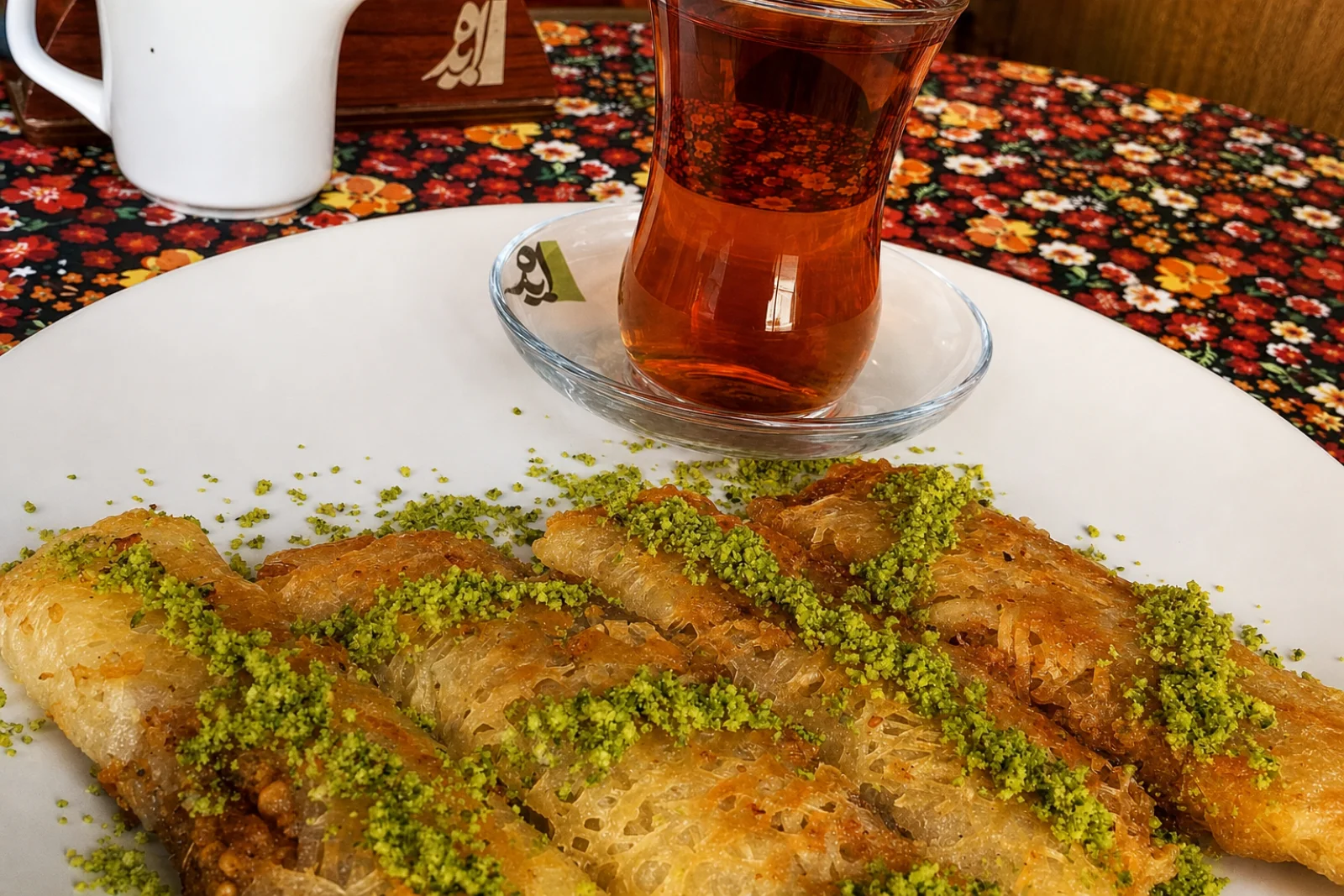
Rasht is an excellent place to explore Gilaki cooking, known for its generous use of herbs, garlic, walnuts, and sour flavors. Start with mirza ghasemi, a smoky mixture of eggplant, tomato, garlic, and eggs, or baghala ghatogh, a bean dish typically cooked with dill, garlic, and eggs. Both are commonly enjoyed with rice or bread.
For a meat-based option, look for kabab torsh, marinated with ingredients such as pomegranate, walnuts, and herbs. Olives dressed with walnuts, pomegranate, and garlic—usually called zeytoon parvardeh—make a distinctive accompaniment. Recipes vary between kitchens, so ask which dishes are local specialties rather than expecting every restaurant to serve the same selection.
Rasht’s bazaar is useful for discovering regional produce, pickles, olives, and rice, while a sit-down restaurant makes it easier to sample cooked dishes. If you are vegetarian or have allergies, ask specifically about eggs, dairy, walnuts, and meat-based ingredients; a vegetable-led dish is not necessarily vegan. Ordering a few dishes to share is a practical way to compare flavors.
Spring and early autumn generally offer a comfortable balance for exploring Rasht, with milder conditions than the humid summer months. Rain is possible throughout the year, however, so choose your dates around your tolerance for wet weather rather than expecting a reliably dry season.
Spring suits walks around Municipality Square and the surrounding central streets, though the Nowruz holiday period can bring busier travel conditions. Early autumn can also be pleasant for sightseeing, but pack for showers and check the forecast before planning longer outdoor excursions.
Summer remains an option if you do not mind warmth and humidity; plan outdoor walks earlier in the day and leave room for breaks. Winter is generally cooler and wetter, making a flexible itinerary especially useful.
Whatever the season, bring a lightweight waterproof jacket and shoes with good grip for wet paving and market lanes. Keep museum visits or relaxed café stops as alternatives when heavy rain interrupts your plans.
For exploring central Rasht, combine walking with taxis rather than relying on a car throughout the day. The area around Municipality Square and Rasht Grand Bazaar is well suited to exploring on foot, with shopping lanes and public spaces close together. Wear shoes with good grip, as rain can leave paving slippery, and carry a compact umbrella.
For longer journeys or trips back to your accommodation, use a taxi or an app-based ride service if you have access to one. Ask your accommodation which services are currently practical for visitors, particularly if you do not have a local SIM card. For a street taxi, clarify whether the ride is private or shared and confirm the fare and destination before setting off; a saved map pin or address in Persian can help avoid confusion.
Driving is generally less convenient for sightseeing in the busy center because of traffic and parking. If you arrive by car, ask your accommodation about parking and explore the central sights on foot where practical. For excursions outside Rasht, arrange transport separately and confirm the return journey before leaving.
Rasht’s traditional bazaar is a working market rather than a curated shopping attraction, with fresh-produce stalls, fish sellers, spice merchants, and household goods spread through interconnected lanes. Visit for a glimpse of everyday life as much as for shopping, and expect busy passages and wet or uneven surfaces around some stalls.
Morning is generally a good time to see the market in full swing, although individual traders’ schedules vary. Wear comfortable shoes with good grip, carry a compact bag, and keep your phone and wallet secure in crowded sections.
For purchases, carry some Iranian rials and confirm whether quoted amounts are in rials or tomans before paying, since everyday prices are often expressed in tomans. Ask permission before photographing vendors or their displays, avoid blocking customers, and check any restrictions at your onward destination before buying fresh food to take home.
For a first visit to Rasht, look for accommodation within comfortable walking distance of Municipality Square, also known as Shahrdari Square. This puts you close to the city’s central streets, cafés, and evening activity, making it easier to explore without arranging a ride for every outing.
If quiet nights matter more than a central address, consider a property on a side street away from major roads and busy commercial areas. Ask whether your room faces the street or an internal courtyard, and check recent reviews for comments about traffic noise, cleanliness, and dampness rather than relying only on the advertised location.
If you are arriving by car or planning excursions beyond Rasht, confirm parking arrangements directly with the property before booking. A central address does not necessarily mean convenient vehicle access, so ask where you can unload luggage and whether parking is on-site or elsewhere.