

Discover the Treasures of Iran
Kerman Grand Bazaar
Spice-Scented Arcades, Copper And Carpets
- Attractions
- Kerman Grand Bazaar
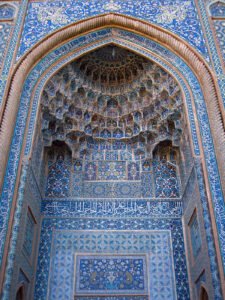
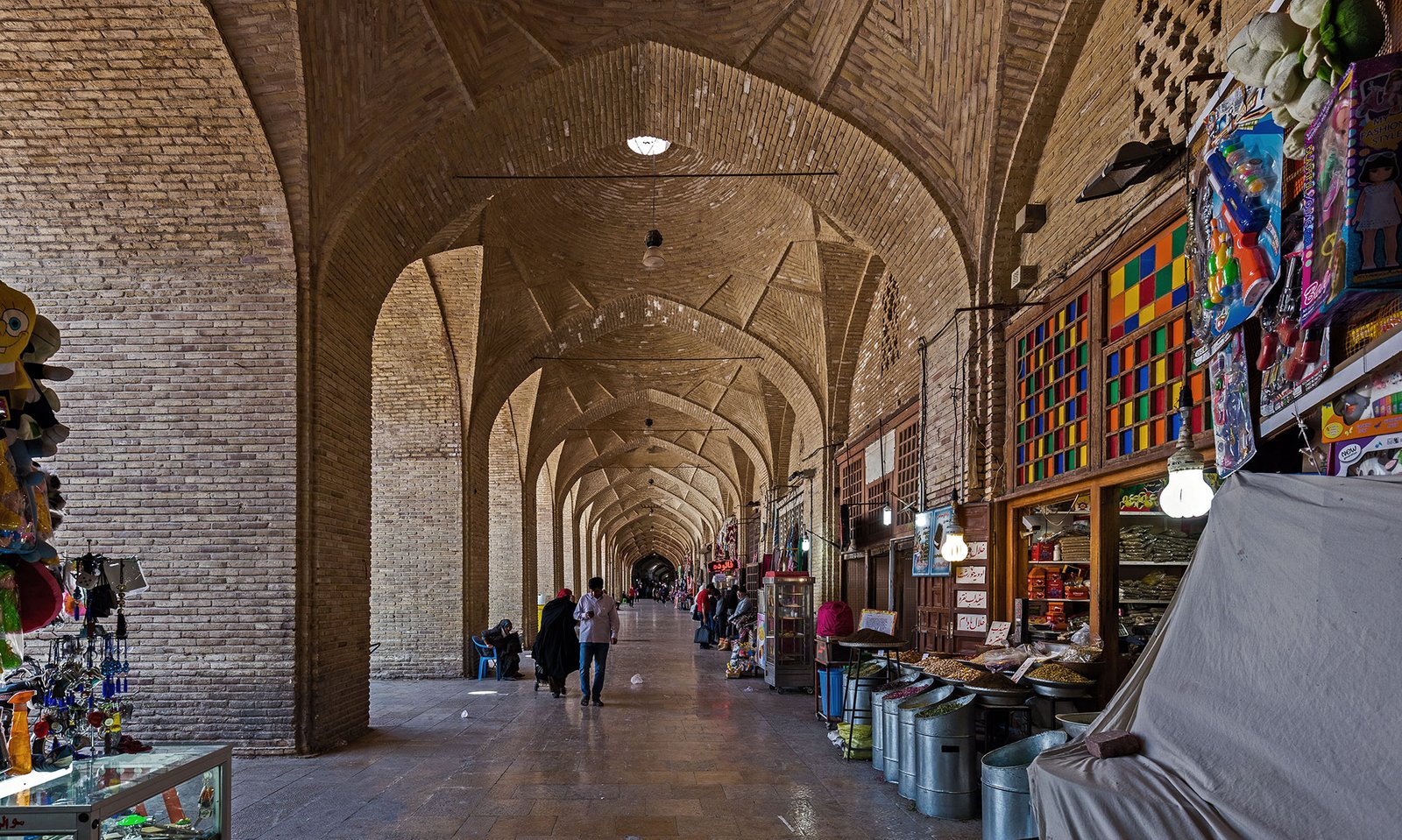
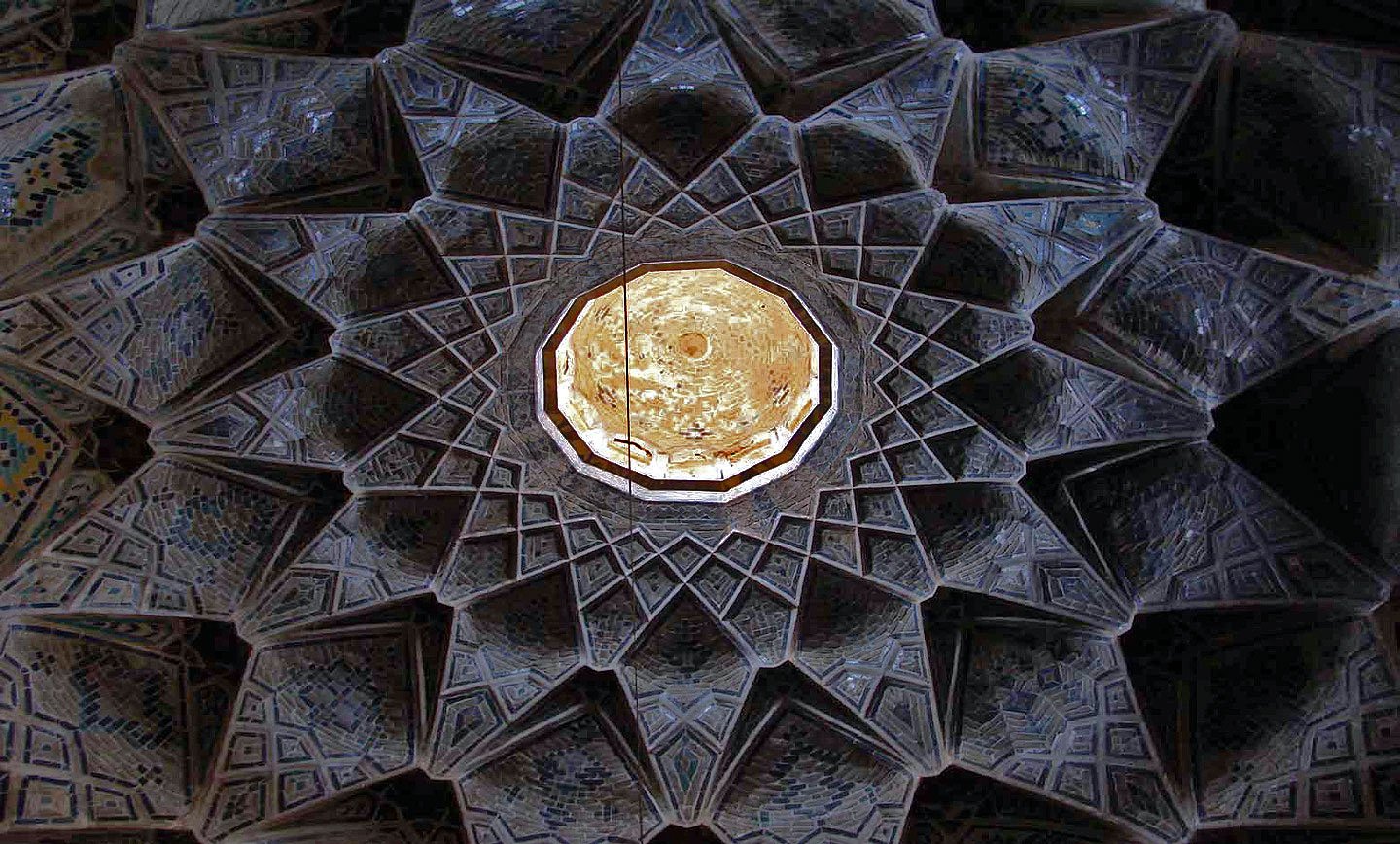
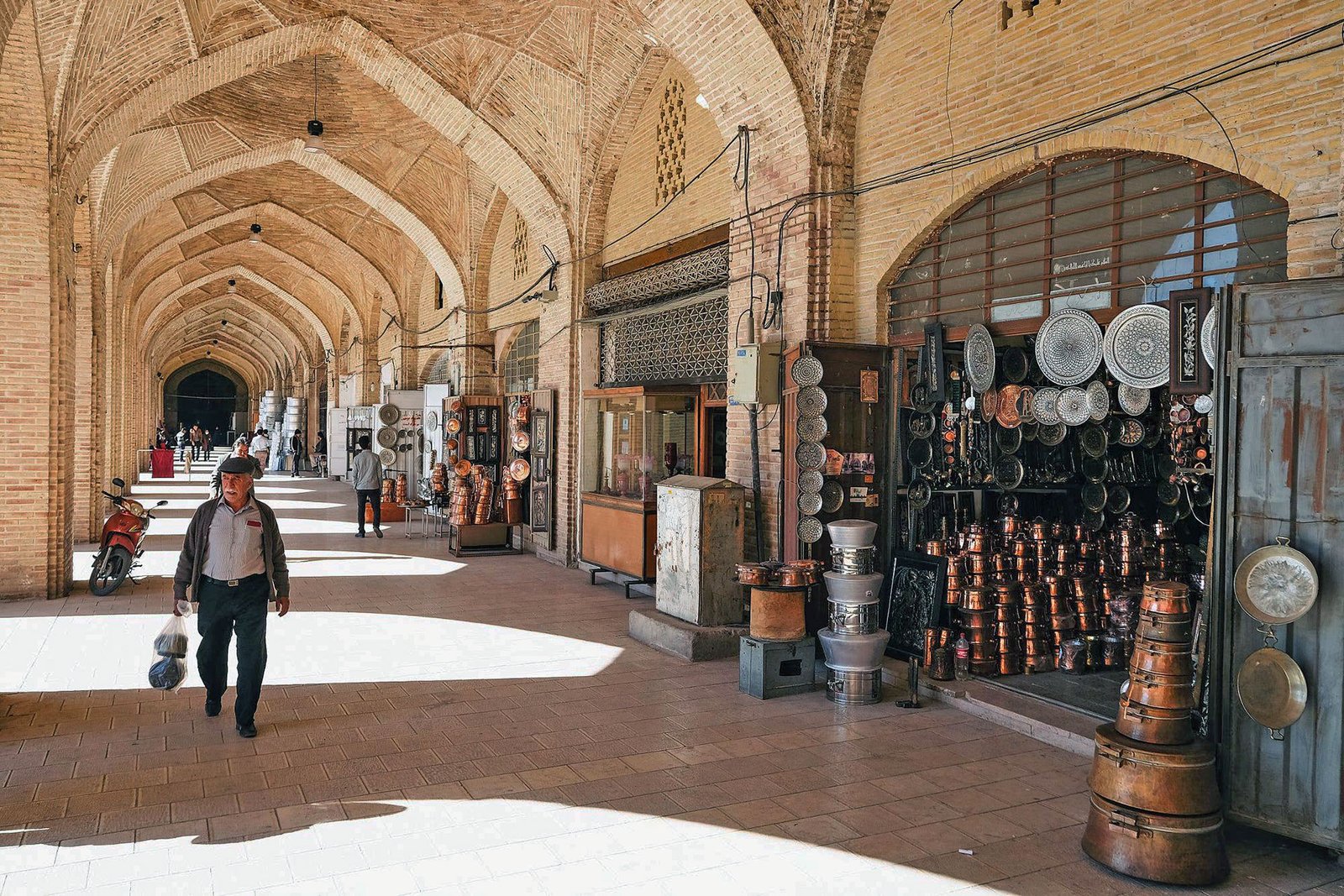
Kerman Grand Bazaar is one of Iran’s most atmospheric traditional markets, a long, vaulted spine of commerce where everyday life and heritage meet. More than a place to shop, it’s a living urban corridor shaped by centuries of trade, craft, and social exchange—an essential stop for understanding Kerman beyond its monuments.Set in the historic core of the city, the bazaar unfolds through covered passages, caravanserai-style courtyards, and interconnected spaces that link to older civic landmarks. Its architecture—brick domes, rhythmic arches, and filtered shafts of light—creates a cool, shaded world that feels distinct from the streets outside, guiding you from one section to the next.Culturally, the bazaar reflects Kerman’s role on regional trade routes and its reputation for skilled artisans. Visitors typically notice the changing character of each stretch: quieter lanes with workshops, busier areas with fabric and spice sellers, and pockets where the scent of tea and sweets lingers. Look for handworked details, the patina of age on doors and stone thresholds, and the way shopkeepers and regulars keep long-standing traditions alive through small, everyday rituals.
A Glimpse Into Kerman Grand Bazaar
See Kerman Grand Bazaar Through Moments
Visitor Information
Essential Information for Visiting Kerman Grand Bazaar
Carry water and pace yourself: Kerman’s climate can feel dry; a refillable bottle and short pauses in a teahouse-style spot can make the visit far more comfortable.
Dress respectfully: choose modest, breathable clothing suitable for a traditional marketplace; it helps you blend in and feel at ease in religiously and culturally conservative spaces.
Ask before photographing people or stalls: architecture is usually fine, but vendors and shoppers may prefer privacy—make eye contact, gesture, and accept a “no” graciously.
Bring small cash and keep valuables secure: having smaller notes can simplify purchases, and a crossbody bag or zipped pocket is useful in crowded sections.
Shop with curiosity, then compare: if you’re considering spices, textiles, or handicrafts, take a quick look at a few shops first; friendly bargaining is often part of the rhythm, but keep it polite.
Signature Tours including Kerman Grand Bazaar
We Believe Your Journey Through Kerman Grand Bazaar Should Be Personal.
No results found.