f f f f f f f f f f f f f f f f f f
3°C
clear sky
0 Tours

Destinations of Iran

Qazvin Uncovered

The Poetry of Ink

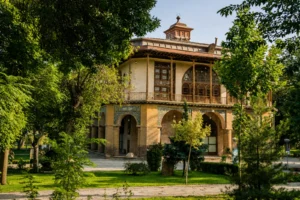
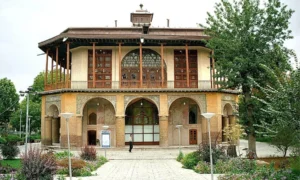
Qazvin was the Safavid capital under Shah Tahmasp I before Shah Abbas I transferred the court to Isfahan in 1598. Chehel Sotoun, a surviving pavilion of the royal precinct, preserves traces of courtly wall painting. Its architecture offers a more intimate encounter with Safavid palace design than the monumental ensembles associated with the dynasty’s later capital.

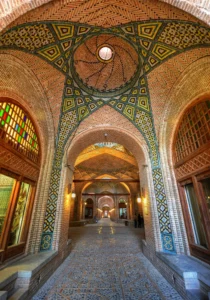
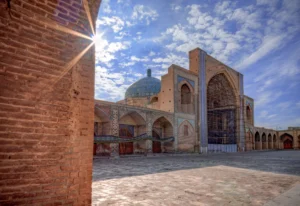
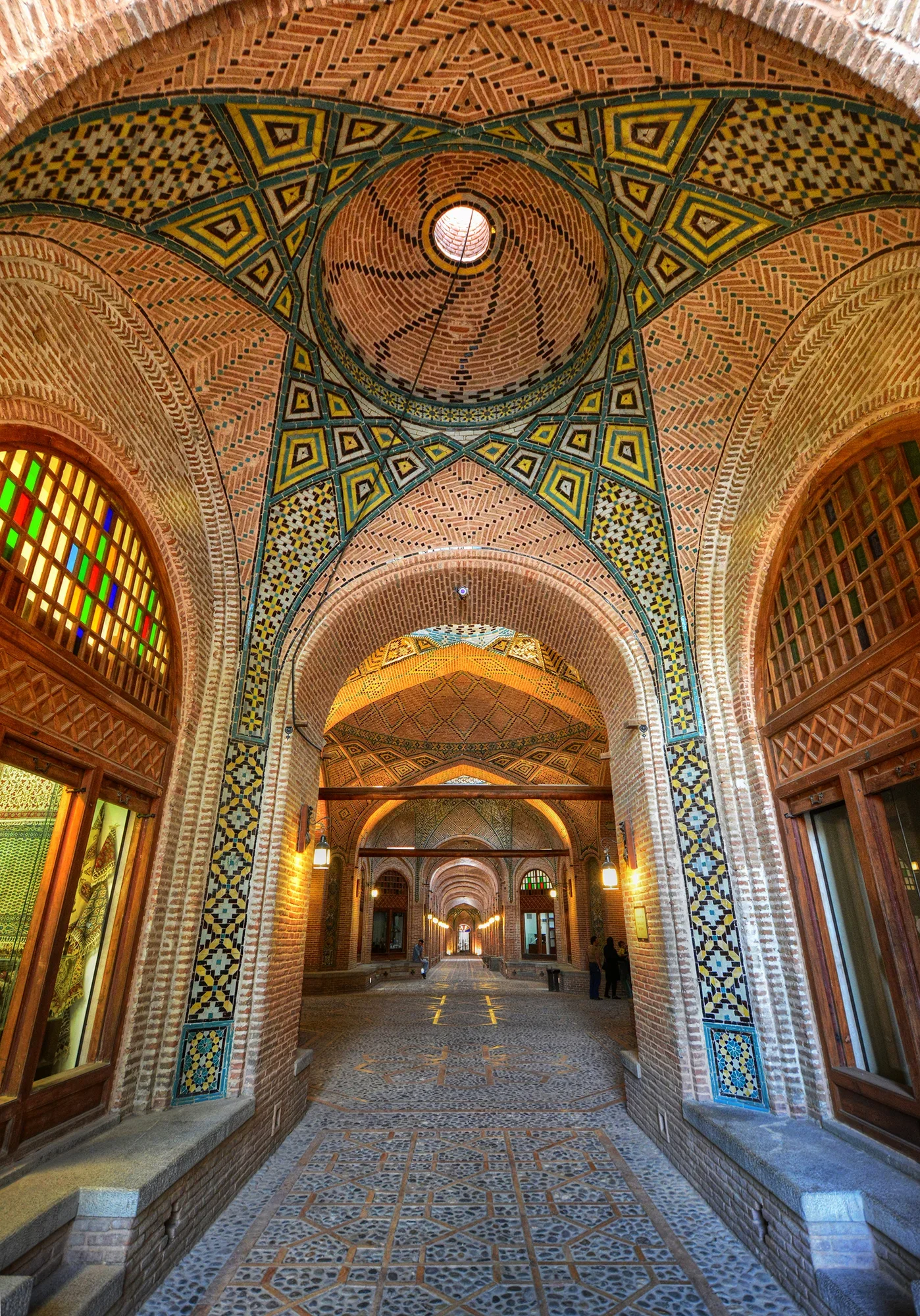
The city’s commercial fabric is particularly legible at Sa’d al-Saltaneh, a Qajar-era caravanserai whose brick-vaulted passages connect a sequence of courtyards. Beside it, the historic bazaar places this merchants’ complex within a wider trading district. The Jameh Mosque brings together construction from several periods, including substantial Seljuk work, while the shrine of Shahzadeh Hossein adds another important strand to Qazvin’s religious architecture.

Qazvin also has a distinguished calligraphic tradition, closely associated with the master Mir Emad, who was born here. Read together, its palace, religious buildings and trading spaces reveal a city shaped by court patronage, commerce and devotion. A visit gains depth when these places are considered together rather than as isolated monuments.

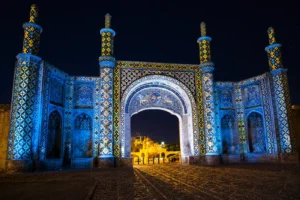
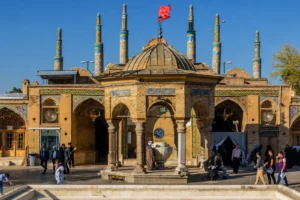
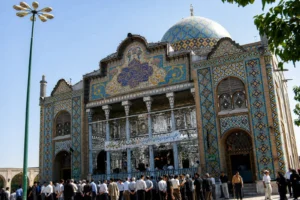
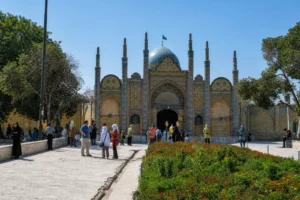
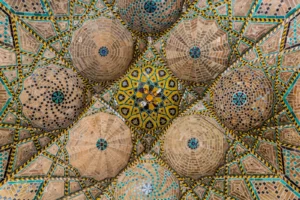
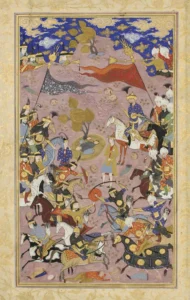
Qazvin illuminated Persian gateway at night, with striking geometric tilework and minaret-like towers demonstrating traditional Iranian architectural features. Visitors gather in the courtyard of a shrine complex in Qazvin, distinguished by its domed pavilion, tiled walls, and five vividly decorated minarets. Qazvin mosque with mirrored façade and ornate tilework, featuring a blue-tiled dome and intricate arched entrances, serves as a gathering place for visitors. Bazaar Corridor in Qazvin, with its distinctive vaulted brick arches and colorful mosaic tilework framing the passageway. Qazvin pavilion with arched colonnade and wooden upper level, notable for its elaborate windows and lush garden setting. Qazvin: This mosque courtyard features distinctive Persian architectural elements including a tile-adorned dome and a grand arched entrance under restoration. Qazvin historic Persian pavilion features a prominent arched facade, intricate upper-level wooden windows, and traditional tiled architectural details in a garden setting. Qazvin mosque or shrine with visitors and vibrant garden beds, featuring a tiled entrance portal, blue dome, and multiple slender minarets. Qazvin – Geometric domed ceiling decorated with intricate brick and tilework, featuring star motifs and vibrant patterns characteristic of traditional Iranian architecture. This Qazvin Persian Miniature Battle Scene displays the intricately detailed figures and vibrant colors typical of traditional Persian manuscript art, with a dynamic depiction of combat among elaborately dressed horsemen.
Qazvin Highlights
  • Qazvin’s Sa’d al-Saltaneh Caravanserai offers arcaded courtyards, brick vaults and craft stalls.
  • Visit the Jame’ Mosque of Qazvin for layered arches and long prayer halls.
  • Chehel Sotoun Palace pavilion shows Safavid-era fresco fragments and a reflective pool setting.
  • Step down into Sardar-e Bozorg Ab Anbar to see its vast domed reservoir.
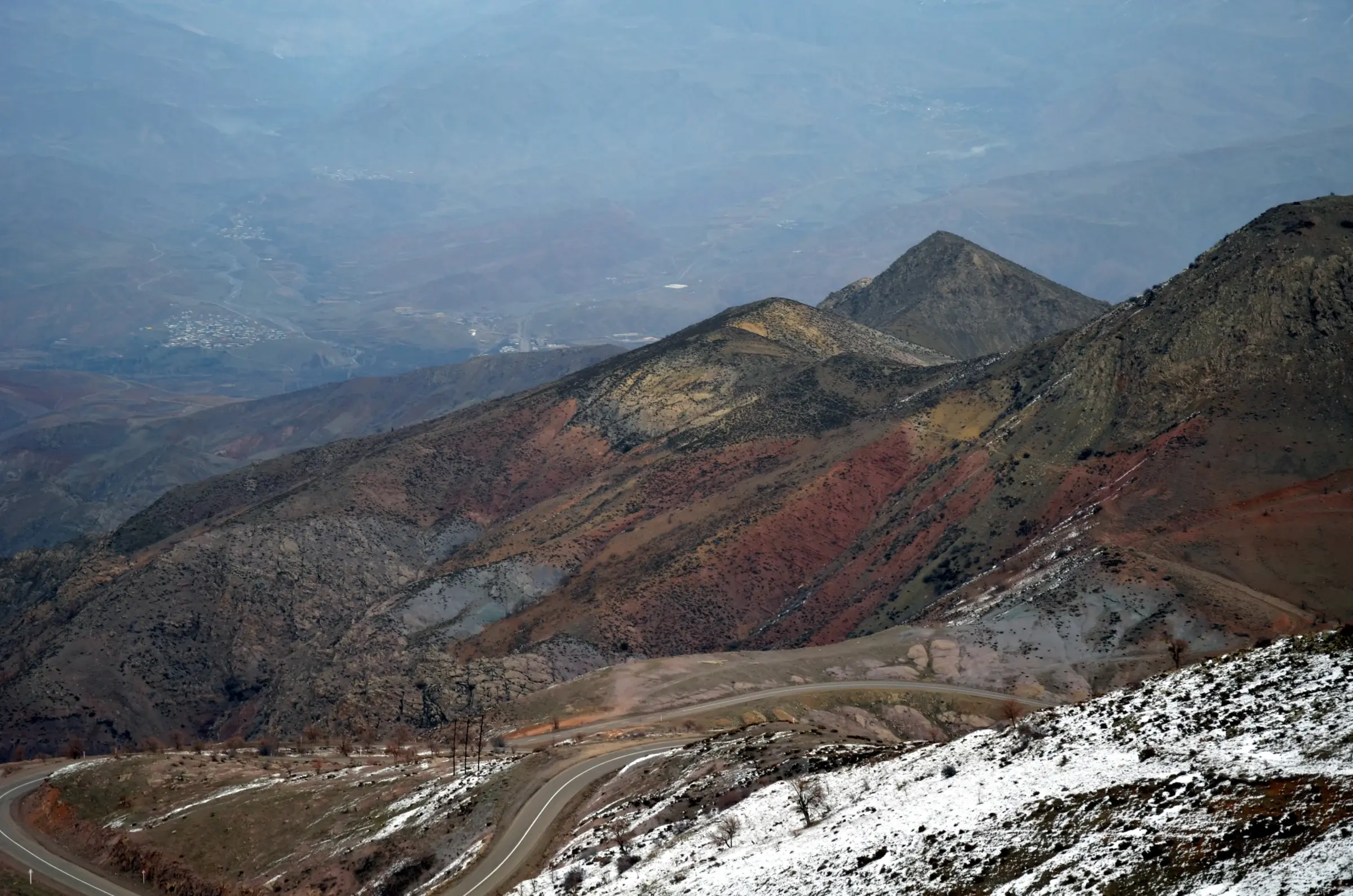
  • Use Qazvin as a base for the Alamut Valley’s mountain scenery and ruined fortress.
  • Try local dishes like gheimeh nesar and Qazvin baghlava in traditional sweetshops.
Best Time to Visit Qazvin

Qazvin has marked seasonal contrasts rather than uniformly desert-like weather. Near the southern foothills of the Alborz, the city experiences cold winters and hot, generally dry summers. Spring brings milder days, possible rain and cool evenings; autumn usually offers more comfortable conditions for walking than midsummer, though temperatures fall as winter approaches. Pack layers in either shoulder season, and carry sun protection and water for summer walks between the city’s historic sites.

In summer, explore outdoor courtyards earlier in the day and use the sheltered passages of Qazvin’s bazaar and Sa’d al-Saltaneh caravanserai for a break from direct sun. Winter visits can involve frost or snow, making warm clothing and shoes with reliable grip useful. Excursions towards Alamut require separate planning: mountain weather can differ substantially from conditions in Qazvin, and current forecasts, road conditions and access to individual sites should be confirmed locally before departure.

How to Reach Qazvin

Qazvin is approached most straightforwardly by road from Tehran, via Karaj. It also lies on the main overland corridor towards Zanjan and north-western Iran, while the road from Rasht connects it with the Caspian region. A car or pre-arranged road transfer offers a direct way to reach the city; intercity coach departure points and current services require confirmation.

For international visitors, Tehran’s Imam Khomeini International Airport is a likely gateway, followed by an onward road journey to Qazvin. Do not assume a connecting domestic flight is available. Any proposed rail connection, including the departure station and current service, should also be confirmed before planning around it.

Brick Bazaar Arcades and Courtyards
Qazvin’s historic core is stitched together by vaulted bazaar arcades and caravanserai courtyards, designed for shade and commerce in a dry climate. Many streets still follow compact, walkable patterns where brick, plaster, and timber details frame inward-looking homes.
Gateway to the Alborz Passes
Qazvin is often called the “Gate of Tehran,” a strategic crossroads between Iran’s central plateau and the Alborz ranges. Its long role as a transit and administrative hub helped it flourish as a Safavid-era capital city and a center of Persian culture.

Explore Qazvin

No posts found

Find Your Way Around Qazvin

See all the key sights, landmarks, and hidden gems of Qazvin pinned exactly where they are — making it easier to plan your route and explore like a local.

Signature Tours including Qazvin

Keep Exploring

Discover Iran’s Most Beautiful Cities

Continue your adventure beyond Qazvin with a selection of destinations that truly showcase the diversity and beauty of Iran. From historic cities and cultural capitals to mountain escapes and desert wonders, each destination brings its own rhythm, stories, and unforgettable experiences.
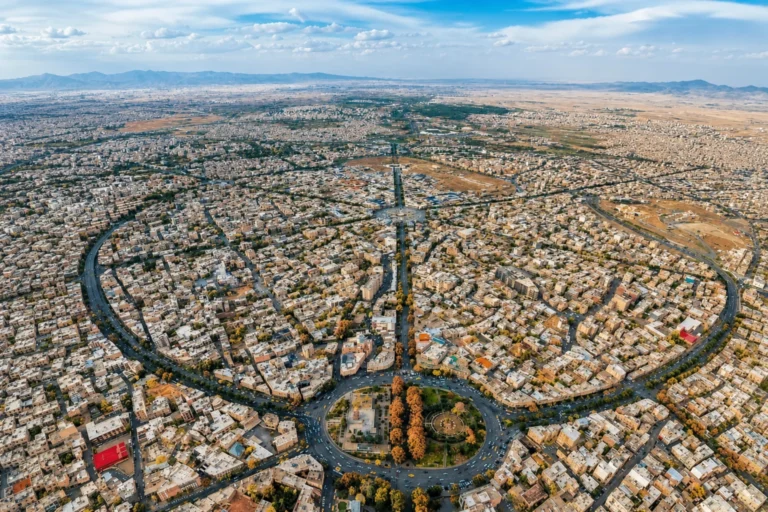
Wide aerial view of a city with a prominent circular plaza and streets radiating outward surrounded by dense urban buildings under a blue sky
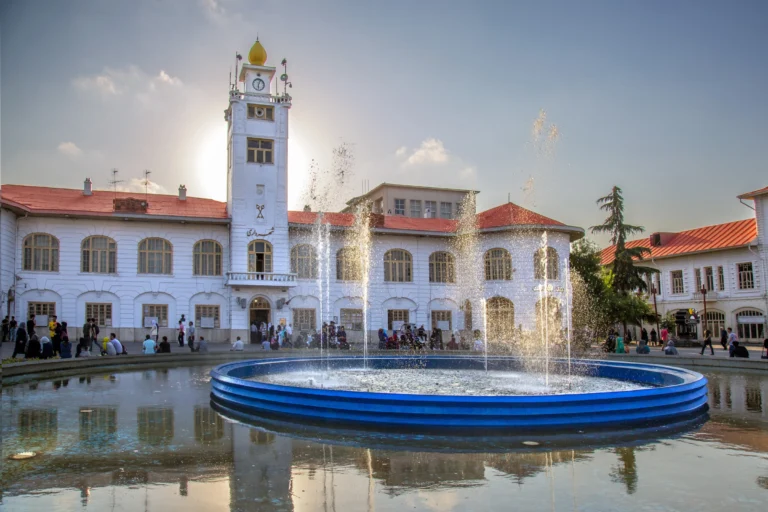
White building with a central clock tower, red roofs, and a blue fountain in front with water jets and people around
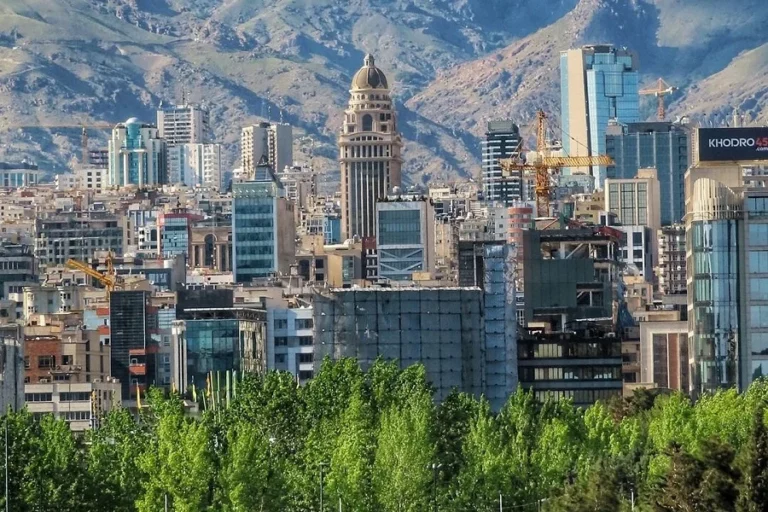
Tehran facing Alborz Mountains
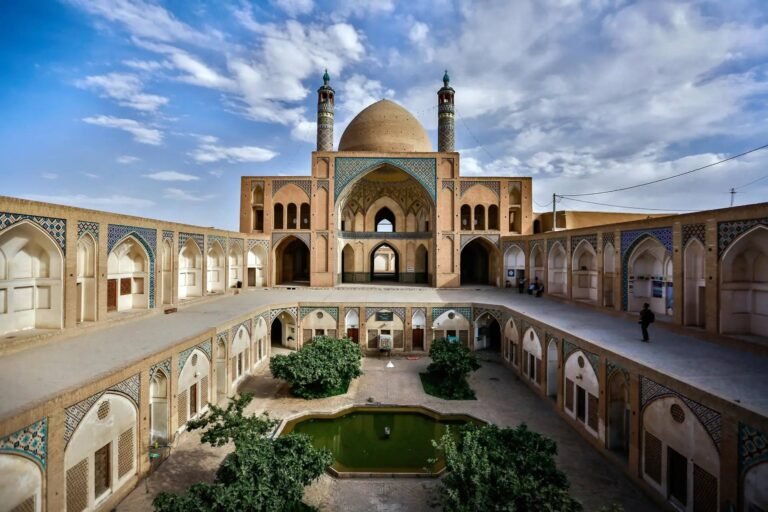
agha bozorg mosque kashan pardisan
Imam-Reza-MAshhad
Large moss-covered rocks along a coastal shoreline with calm waves and a row of tall palm trees in the distance under a partly cloudy sky
sari-3-pardisan
Windcatchers-Yazd

Frequently Asked Questions about Qazvin

Allow one full day for Qazvin’s historic center, or two days if you prefer a slower pace with time for museums, cafés, and the bazaar. The city is compact enough to explore several central sights on foot, although occasional taxi rides can make the day more comfortable.

For a first day, combine the restored Sa’d al-Saltaneh caravanserai with the adjoining bazaar area, then visit Chehel Sotoun, a surviving pavilion from Qazvin’s period as a Safavid capital. Leave room to wander rather than treating every stop as a quick photo opportunity; much of the appeal lies in the brick arcades, courtyards, and working market streets. Confirm museum access and any visiting restrictions locally, especially around holidays.

If Alamut Castle is on your list, plan it as a separate full-day excursion rather than adding it to a city sightseeing day. Mountain-road travel and the uphill approach make it a more demanding outing, so check weather and access conditions and arrange suitable transport before setting out.

Yes—Qazvin’s historic center is well suited to exploring on foot, especially around Sabzeh Meydan, Chehel Sotoun Palace, and the bazaar district. Start near the square, visit the palace, then continue toward Sa’d al-Saltaneh Caravanserai and the adjoining market lanes. This makes a practical walking route without repeatedly crossing the city.

Expect a mixture of paved streets, covered passages, steps, and occasionally uneven surfaces rather than a consistently pedestrianized route. Wear comfortable shoes and take care at road crossings, where traffic can make short distances feel less straightforward. In hot weather, walk outdoors earlier in the day and use the covered bazaar passages for a shaded break.

A taxi is useful for sights farther from this central cluster, particularly if heat, fatigue, or mobility needs make longer walks uncomfortable. Excursions to Alamut Castle and the surrounding mountain landscapes require separate transport planning; they are not extensions of a city walking route.

Qazvin’s signature dish to look for is gheymeh nesar, a festive rice dish typically made with lamb or beef, barberries, slivered nuts, and fragrant citrus peel. Unlike the stew commonly called gheymeh elsewhere in Iran, it is usually presented as rice topped or layered with meat and garnishes. It makes a good introduction to the city’s cooking, though recipes and presentation vary between restaurants.

For something sweet, try nan-e berenji, delicate rice-flour biscuits, or baklava in local pastry shops. Qazvin is also known for its assortment of small traditional sweets, which pair well with tea and are practical purchases to take away. Shops around the bazaar area are useful places to compare selections; ask which items are made locally and which travel best.

If you have food allergies or dietary restrictions, ask about ingredients rather than relying on a dish’s appearance. Nuts are prominent in gheymeh nesar and many sweets, while rice dishes may contain meat stock or animal fat even when meat is not obvious. For the best chance of finding a particular specialty, ask your accommodation or a local restaurant whether it is available that day.

Spring and early autumn generally offer the most comfortable weather for visiting Qazvin, especially if you want to spend time in its historic streets, courtyards, and gardens. These seasons tend to avoid the strongest summer heat and winter cold, though spring weather can be changeable and evenings may still feel chilly.

In summer, plan outdoor sightseeing for earlier or later in the day, with museums, covered bazaars, and rest breaks during the hottest hours. Winter can suit travelers who do not mind cold conditions, but pack warm layers and footwear with good grip, as snow or ice may affect walking and road travel.

If your visit includes an excursion into the Alamut region, check mountain weather and road conditions separately rather than relying on Qazvin’s city forecast. Around Nowruz, the Persian New Year in March, domestic travel can increase demand for accommodation, so booking ahead is sensible; confirm holiday schedules directly with individual sights.

Alamut Castle can be visited as a full-day excursion from Qazvin, but it requires more planning than a city sightseeing outing. The journey follows winding mountain roads, so allow a generous travel buffer rather than judging the trip by distance alone. For a first visit, arranging a driver or a locally organized excursion is generally the simplest approach.

Agree on the complete itinerary before departure, including waiting time, the return journey, and any additional stops. Public transport may not take you conveniently to the castle approach, and arranging onward travel in the valley can be difficult without local help. Avoid packing too many valley sights into the same day.

Reaching the ruins involves a steep uphill approach with steps and uneven ground, making sturdy footwear, water, and sun protection useful. The visit may not suit travelers with limited mobility; ask a local operator about current access before committing. Mountain weather and conservation work can affect plans, so confirm conditions locally and consider staying in Qazvin that evening rather than scheduling a tight onward connection.

Start with Chehel Sotoun, a surviving royal pavilion that helps explain Qazvin’s importance as a former Safavid capital. Its architecture and decorative details provide a useful introduction to the city’s courtly past, though access to particular rooms or displays may vary.

Next, explore Saad al-Saltaneh Caravanserai, a restored trading complex adjoining the historic bazaar. Its brick vaults, courtyards, and passages reveal a different side of Qazvin: the commercial networks that sustained the city beyond its period as a capital. Allow time to look beyond the busiest café areas and notice how the complex’s interconnected spaces were arranged.

For a broader historical picture, add the Jameh Mosque or the Qajar Bathhouse, which has been adapted as an ethnographic museum. Choose the mosque for religious architecture developed across successive periods, or the bathhouse for insight into traditional social life. Confirm current visitor access locally, and dress modestly and avoid disturbing worship when entering the mosque.

For most independent travelers, trains and intercity buses are the main options for reaching Qazvin from Tehran. Choose the train if you prefer to avoid highway traffic, or a bus if its departure point and schedule fit your plans better; confirm current services before heading to the station or terminal.

A private transfer is useful if you have substantial luggage, are traveling in a small group, or want a direct journey from your accommodation. Agree on the total fare and destination beforehand, and allow extra time when leaving Tehran during busy traffic periods or around major holidays.

Whichever option you choose, check where you will arrive in Qazvin rather than assuming you will be dropped in the historic center. Keep your accommodation’s address in Persian on your phone, and plan for a taxi connection if needed; your host can help clarify the most convenient arrival point.

Scroll to Top