f f f f f f f f f f f f f f f f f f
3°C
few clouds
0 Tours

Destinations of Iran

Zanjan Uncovered

The Warmth of Copper

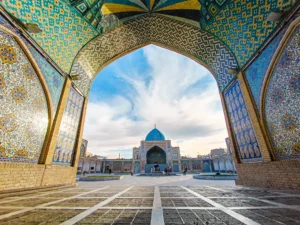
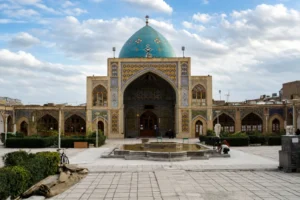
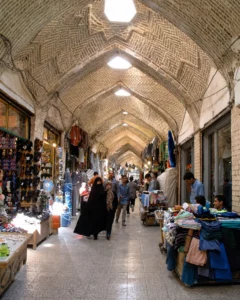
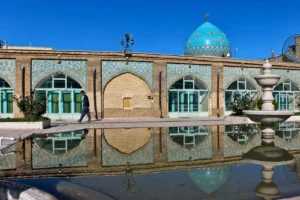
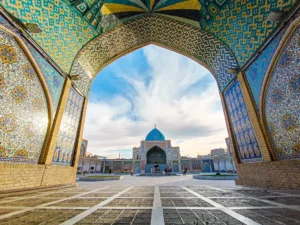
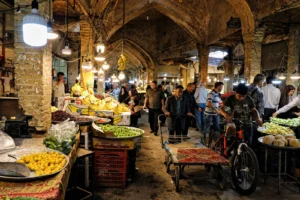
Zanjan, in north-western Iran, has an urban heritage shaped by its bazaar, religious buildings and craft workshops. Much of the surviving bazaar complex dates from the Qajar period, with vaulted brick passages linking shops, caravanserais and mosques. The nearby Seyyed Mosque, also known as the Jameh Mosque, brings together a courtyard, four iwans and patterned tilework.

The city’s museums offer two distinct perspectives on local history. In the Qajar-era Zolfaghari Mansion, the Salt Men Museum displays naturally preserved human remains recovered from the Chehrabad salt mine, alongside evidence of ancient mining. Rakhtshooy Khaneh, a purpose-built communal washhouse from the early twentieth century, preserves a different kind of social history through its long washing hall and stone basins.

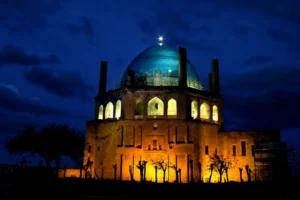
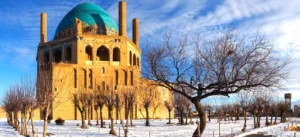
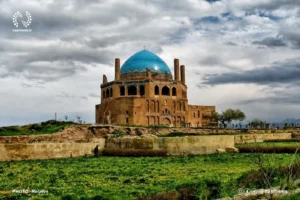
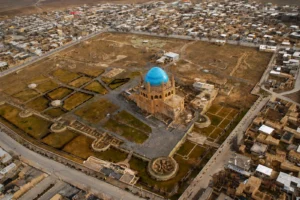
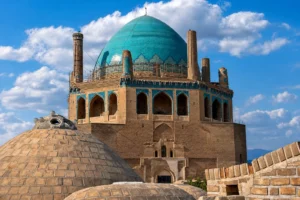
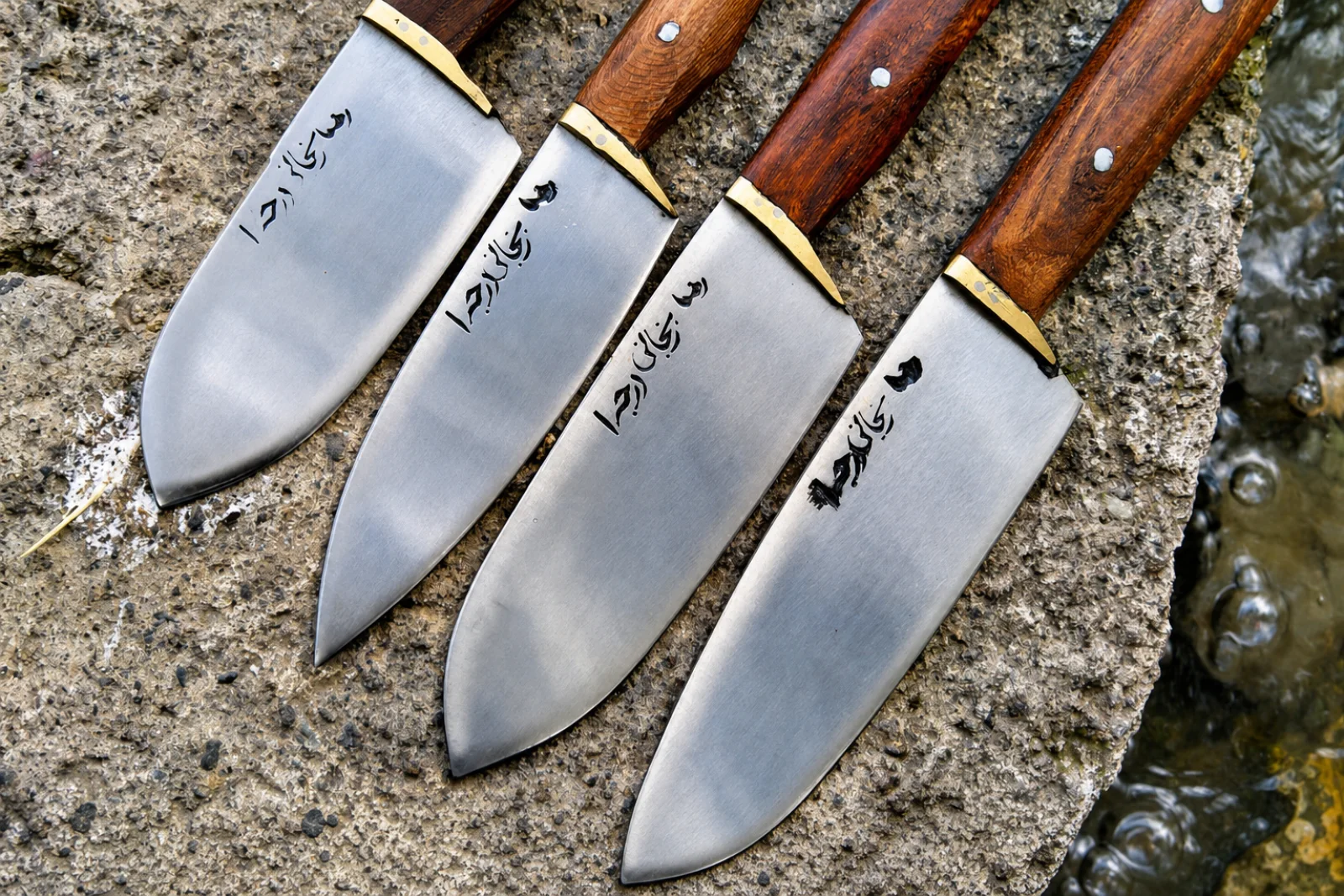
Knife-making and other metalworking traditions remain part of Zanjan’s craft identity. Beyond the city, the turquoise-domed mausoleum of Oljaytu at Soltaniyeh places the region within the history of the Mongol Ilkhanate. Read together, these sites give visitors a framework for understanding Zanjan through trade, skilled labour, communal life and imperial patronage.

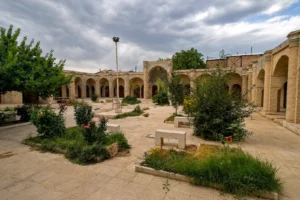
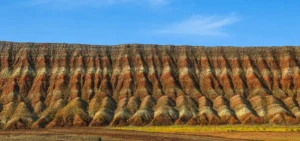
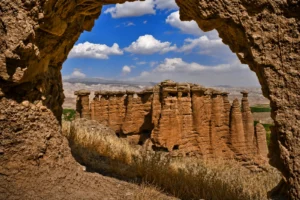
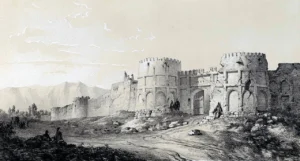
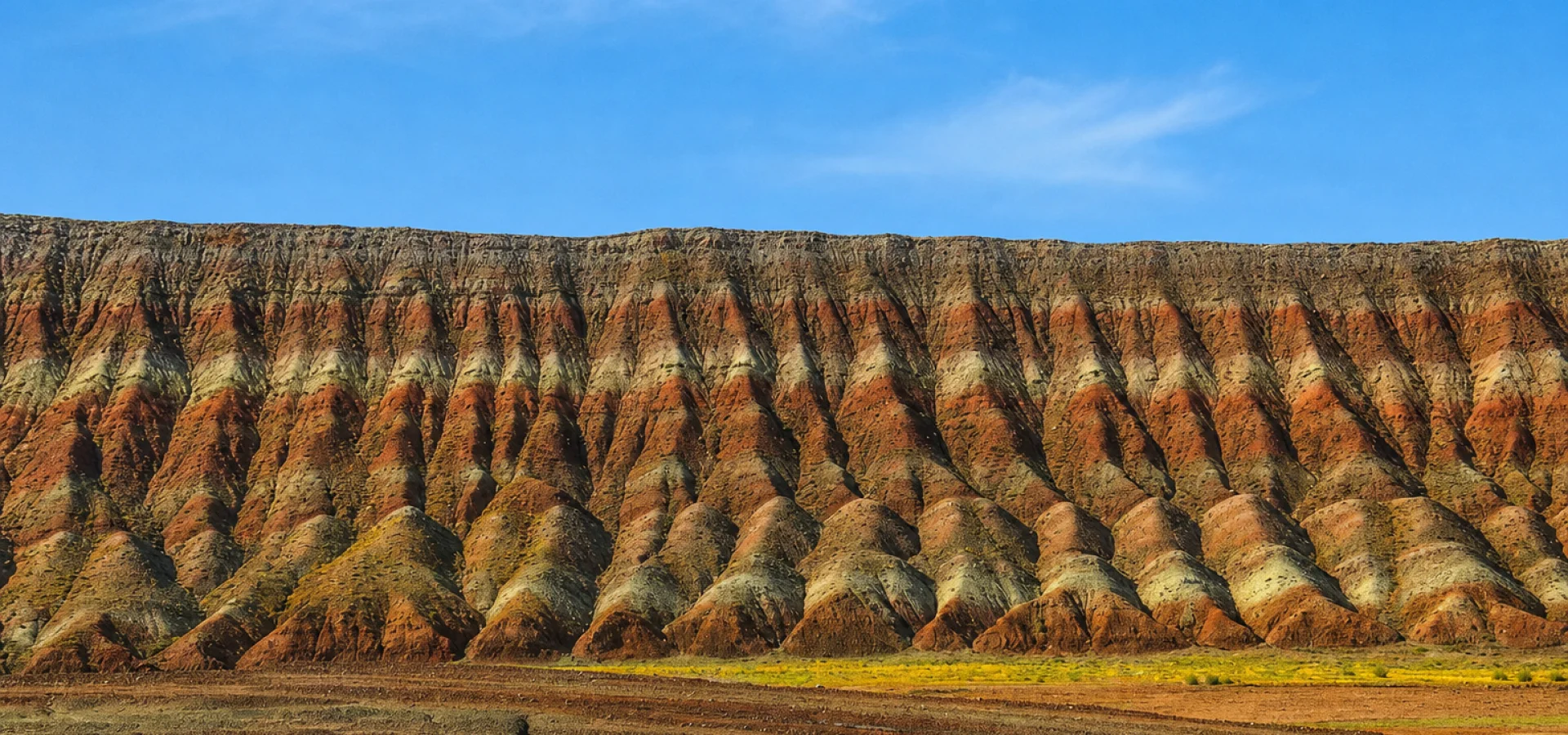
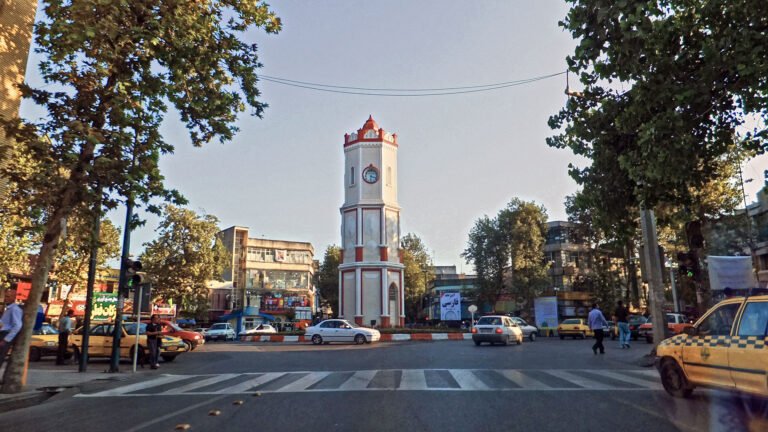
Mosque courtyard and iwan in Zanjan, featuring intricate tilework and a large blue-tiled dome, with visitors strolling across the open plaza. The Zanjan mosque courtyard features a distinctive turquoise dome and intricate tilework on its entrance portal, with arcaded walkways surrounding a central fountain. This Zanjan courtyard features distinctive brick arcades, geometric tilework, and a central open garden area. Zanjan illuminated domed monument at night, featuring a distinctive blue dome and arched façade dramatically highlighted by up-lighting. Zanjan mausoleum with turquoise dome features a prominent octagonal brick structure and four tall minarets, surrounded by trees in a wintry landscape. Zanjan – large domed mausoleum with prominent blue dome, notable for its imposing brick structure and vibrant turquoise dome standing out against the open landscape. Aerial view of Zanjan, featuring its iconic mausoleum with a striking blue dome set within geometric gardens and surrounded by the city. The Zanjan historic blue-domed monument features striking turquoise tilework and unique cylindrical corner towers, making it a distinctive landmark in Zanjan. The covered market corridor in Zanjan features intricate vaulted brickwork above bustling shops and stalls, creating a distinctive traditional bazaar atmosphere. Zanjan features a courtyard with characteristic turquoise-tiled dome, arched brick walls, blue-framed doors, and reflecting pool with fountain. A striking view of the colorful eroded hills in Zanjan, notable for their vivid horizontal stripes and unique geological formations. Zanjan distinctive rock formations, featuring tall natural pillars and a rugged arid landscape framed by a nearby stone arch. Zanjan mosque courtyard with tilework and blue dome, where richly patterned iwans and mosaic details surround the open space. The walled enclosure in Zanjan, shown here with its large round towers and arched gateways, stands out against the backdrop of distant mountains. Zanjan Bazaar Interior Scene: The covered bazaar features high brick arches, bustling stalls, and tables of colorful produce attracting many locals.
Zanjan Highlights
  • See the turquoise-tiled dome of Soltaniyeh on the nearby Sultaniyeh plain.
  • Wander the vaulted arcades of Zanjan Bazaar for copperware, spices, and textiles.
  • Visit Rakhtshuy Khaneh, a restored public washhouse with stone basins and skylights.
  • Seek out knife-making and malileh silver-filigree craft in workshops along older streets.
  • Pause at Zanjan’s Jameh Mosque to notice brickwork, courtyard proportions, and call to prayer.
  • Drop into Zanjan’s Archaeology Museum, where ‘Saltmen’ displays may be shown—confirm locally.
Best Time to Visit Zanjan

Zanjan’s upland setting in north-western Iran brings marked seasonal contrasts, rather than year-round desert heat. Winters are cold, with snow and ice possible in the city and on surrounding roads. Pack a warm coat and footwear with good grip, and allow flexibility for road journeys during unsettled weather. The covered passages of Zanjan Bazaar offer some shelter, but should not be assumed to be heated throughout.

Spring brings milder days alongside changeable weather, so layers and a waterproof jacket are useful. Summer is generally drier, with warm to hot afternoons and cooler evenings: plan longer outdoor walks earlier in the day and carry water. Autumn becomes progressively cooler, particularly after sunset. For visits to the exposed setting of nearby Soltaniyeh, account for wind as well as sunshine; check the forecast and confirm road conditions before travelling in wintry weather.

How to Reach Zanjan

Zanjan lies on the main road corridor between Tehran and Tabriz, making overland travel a straightforward way to approach the city. From Tehran, the route runs north-west via Qazvin; from Tabriz, it heads south-east towards Zanjan. Either city can serve as a gateway, depending on your wider itinerary, while Qazvin is a useful intermediate stop for a journey from the capital.

For travel by coach or an arranged car transfer, confirm current availability and departure or collection points before setting out. Air and rail services have not been verified here and require confirmation before you plan a connection around them.

Zanjan’s Highland River Corridor
At roughly 1,600 meters above sea level, Zanjan sits on a broad plain cut by the Zanjanrud River, with rolling hills and rugged ridges framing the skyline. The highland setting brings crisp winters and clear, far-reaching views across northwest Iran.
Capital of Persian Knife-Making
Zanjan is widely known in Iran for traditional handcrafted knives, where workshops shape blades and ornate handles using long-lived techniques. The city is also a hub for fine filigree metalwork, giving it a strong identity in the country’s crafts heritage.

Explore Zanjan

No posts found

Find Your Way Around Zanjan

See all the key sights, landmarks, and hidden gems of Zanjan pinned exactly where they are — making it easier to plan your route and explore like a local.

Signature Tours including Zanjan

Keep Exploring

Discover Iran’s Most Beautiful Cities

Continue your adventure beyond Zanjan with a selection of destinations that truly showcase the diversity and beauty of Iran. From historic cities and cultural capitals to mountain escapes and desert wonders, each destination brings its own rhythm, stories, and unforgettable experiences.
sari-3-pardisan
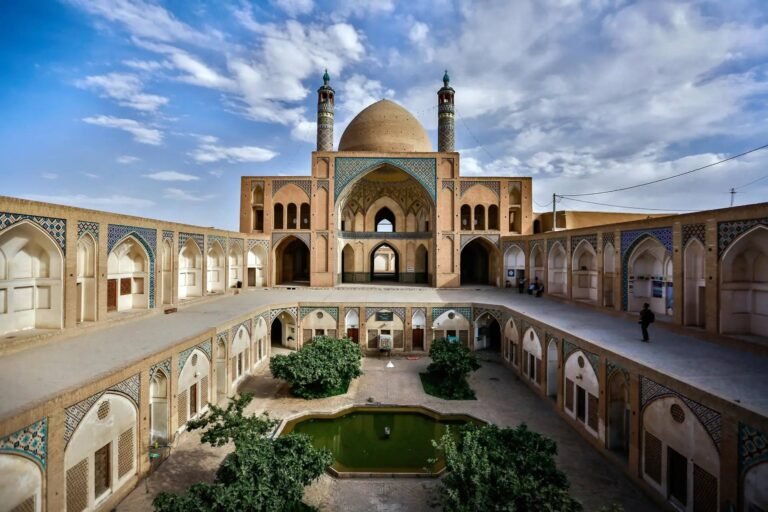
agha bozorg mosque kashan pardisan
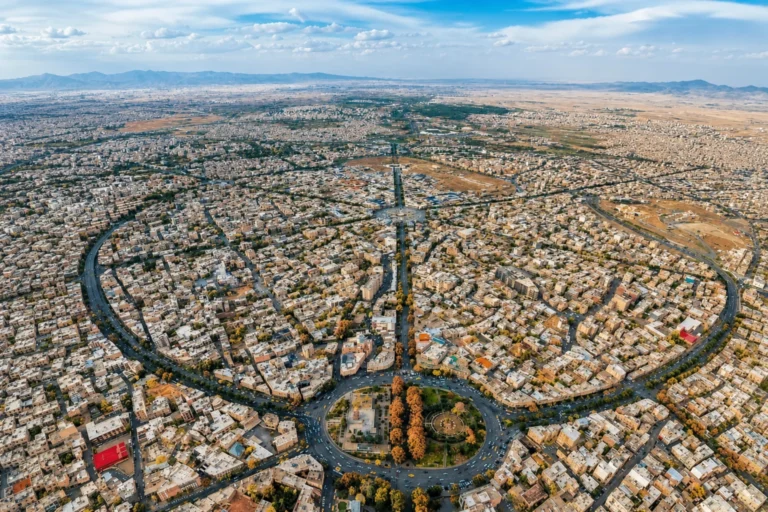
Wide aerial view of a city with a prominent circular plaza and streets radiating outward surrounded by dense urban buildings under a blue sky
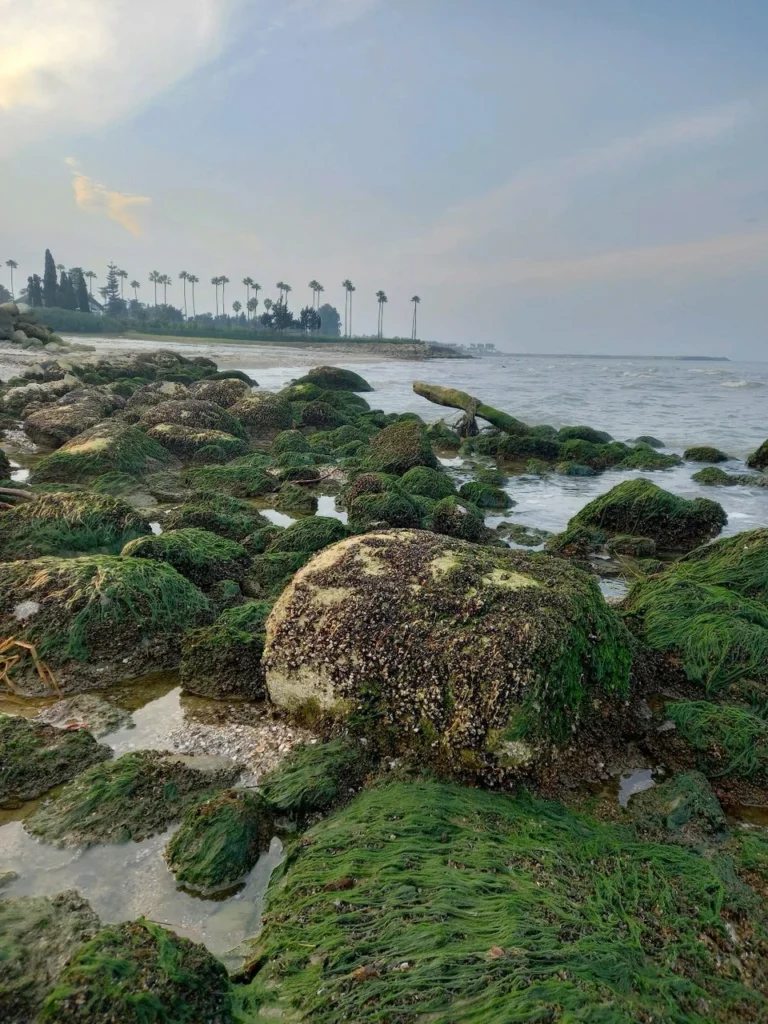
Large moss-covered rocks along a coastal shoreline with calm waves and a row of tall palm trees in the distance under a partly cloudy sky
Jameh_Mosque,_Kerman,_Iran_(1248469883)
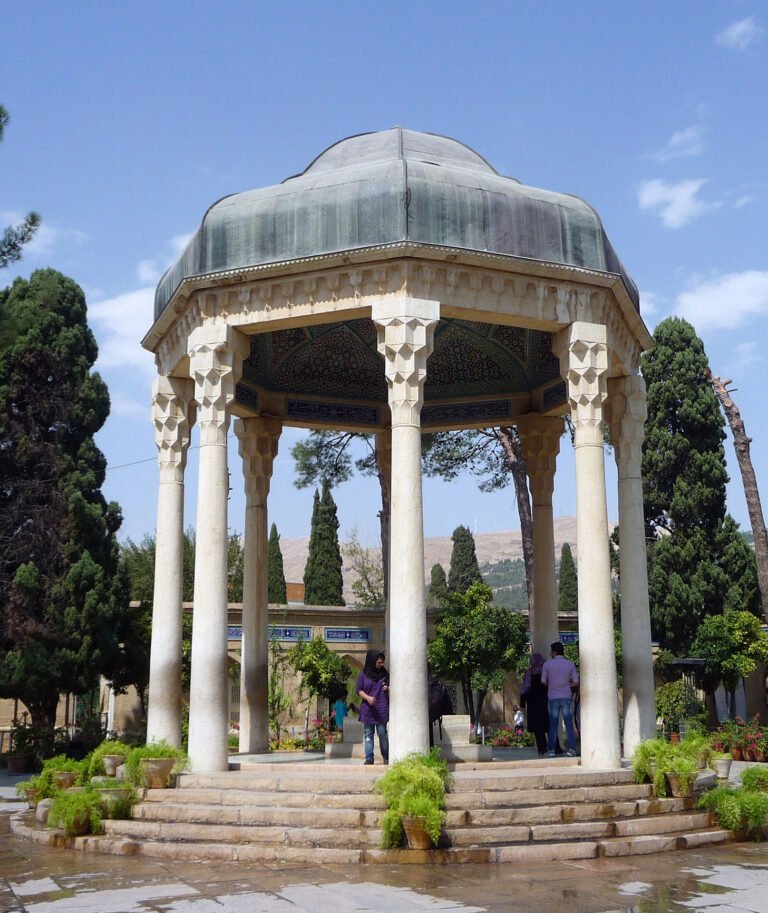
Hafez-Tomb
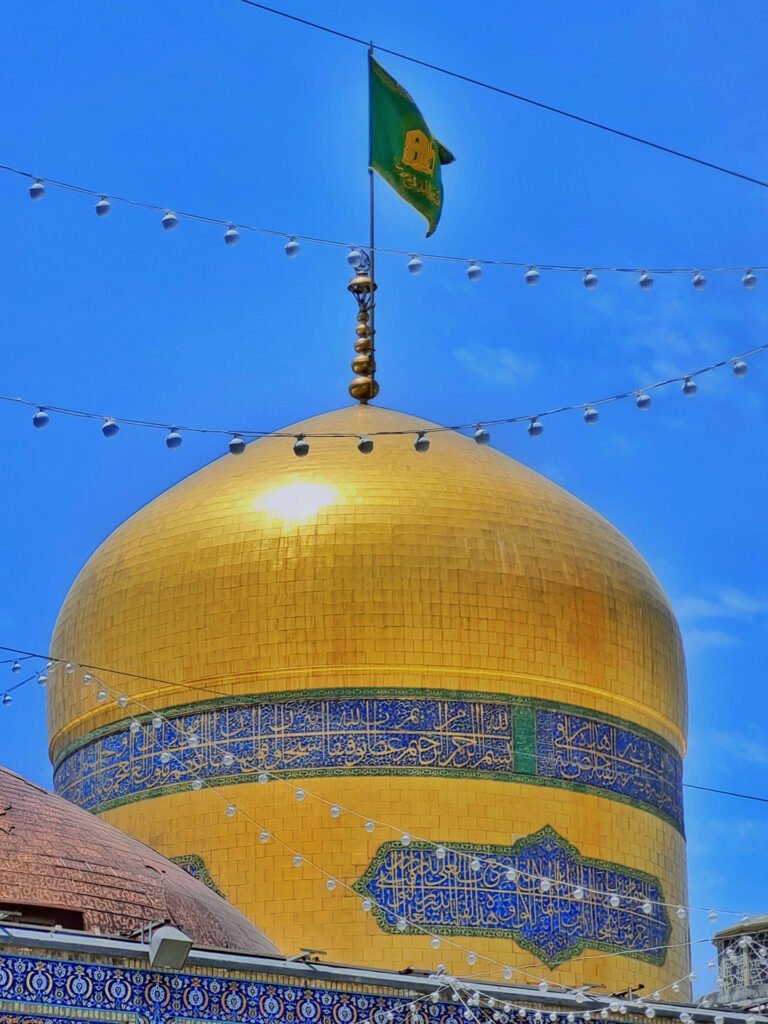
Imam-Reza-MAshhad
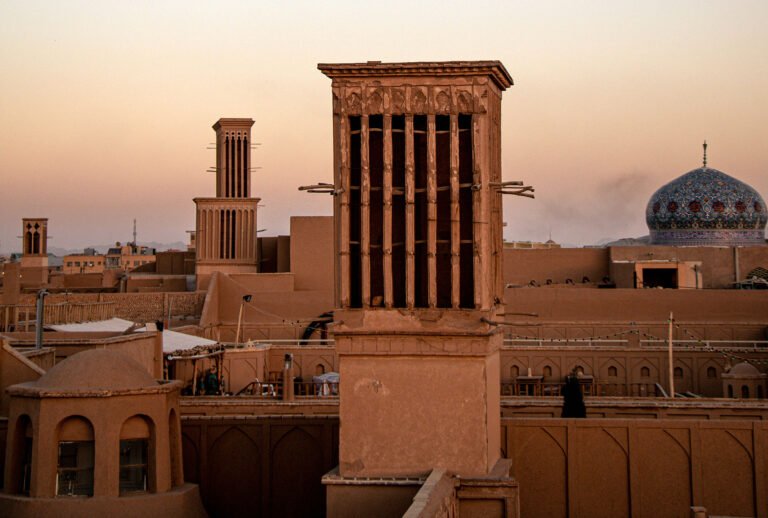
Windcatchers-Yazd

Frequently Asked Questions about Zanjan

Allow two days for a balanced introduction to Zanjan: one for the city’s historic center and another for an excursion to nearby Soltaniyeh. A third day gives you room to explore at a gentler pace or add a longer countryside outing without squeezing the main sights into rushed stops.

Spend your city day around Zanjan’s historic bazaar, where covered passages bring together everyday shopping and traditional trades. Pair this with the Rakhtshooy Khaneh, a former communal washhouse, and the archaeology museum associated with the region’s ancient Salt Men discoveries. Check current access locally, as museum arrangements and opening schedules can change.

Dedicate part of your second day to the UNESCO-listed mausoleum at Soltaniyeh, outside Zanjan. Arrange your outward and return transport before leaving, particularly if you are not driving, and leave time to appreciate the building rather than treating it as a quick photo stop.

With only one day, prioritize either Zanjan’s bazaar and museums or Soltaniyeh alongside a shorter city walk. Trying to fit everything into a single day makes the visit more dependent on transport connections and site access.

Start with Zanjan’s historic bazaar, where covered passages bring together everyday shopping, traditional trades, and architectural details. It is a good place to look for the city’s well-known knives and copperware, although travelers considering a knife purchase should check airline and destination-country restrictions before buying.

The Rakhtshooy Khaneh, a historic communal washhouse, offers a distinctive glimpse into the city’s social history through its stone interiors and former washing channels. Another highlight is the Zolfaghari Archaeological Museum, known for displays associated with the Salt Men: ancient human remains discovered in the Chehrabad salt mine. Confirm current access and exhibitions locally, as arrangements can change.

For a major architectural excursion outside the city, consider the UNESCO-listed Dome of Soltaniyeh, an important monument of the Ilkhanid period. Treat it as a separate outing rather than a stop within central Zanjan, and arrange your return transport before setting off. If time is limited, prioritize the bazaar and one museum in town, then choose Soltaniyeh if monumental architecture is your main interest.

Late spring and early autumn are generally the most comfortable times to visit Zanjan, especially if you plan to combine city walks with trips into the surrounding countryside. Its elevated setting brings cold winters and noticeable temperature changes between daytime and evening, so layers are useful even outside the coldest months.

Summer can also work well, particularly if you prefer longer daylight hours and plan outdoor sightseeing for the morning or late afternoon. Expect stronger sun and warmer conditions around midday, and carry water, sunscreen, and a hat rather than assuming the elevation will keep every outing cool.

Winter suits travelers comfortable with cold weather, but snow and ice can complicate excursions beyond the city. If your plans include mountain roads or rural stops, check the forecast and ask your accommodation or driver about current conditions before setting out.

A combination of walking and taxis is a practical way to explore Zanjan without a car. The bazaar and nearby central streets are well suited to exploring on foot, while taxis are useful for longer distances, luggage, or returning to your accommodation after a busy day.

For straightforward journeys, ask your accommodation to arrange a taxi or help explain your destination. Keep your hotel’s address in Persian on your phone, and clarify the fare before departure if it is not otherwise displayed or agreed through a booking service; also check whether the amount quoted is in rials or tomans.

For trips beyond the city, arranging a car with a driver can simplify journeys where onward transport is uncertain. Agree on the route, waiting time, return journey, and total charge in advance, and confirm whether the driver will remain with you at each stop.

Zanjan is particularly associated with traditional knives, copperware, and delicate metal filigree known as malileh. For a compact, easily packed souvenir, consider a small filigree ornament or piece of jewelry; copper trays and vessels suit travelers with more luggage space.

The bazaar is a useful place to compare styles and workmanship before buying. Ask what metal an item contains, whether it was made locally, and which parts were handmade rather than machine-produced. For filigree, look for neat joins and consistent detailing; for copperware intended for cooking, ask about its lining and care requirements rather than assuming every decorative vessel is food-safe.

Although knives are an established Zanjan craft, they require extra planning as souvenirs. Check your airline’s baggage policy and the import rules of your destination and any transit countries before purchasing. Ask sellers to wrap delicate pieces securely, and keep a receipt describing the item and its stated material.

In Zanjan, look beyond standard kebabs for local dishes such as jaghur-baghur and ash-e torsh. Traditional eateries and establishments around the bazaar are useful places to ask what regional food is being served that day.

Jaghur-baghur is a hearty offal dish, commonly made with chopped liver and other organ meats cooked with onions and spices, sometimes with potatoes. It has a strong, savory flavor, so ask which ingredients are included before ordering if you are unfamiliar with offal.

Ash-e torsh is a tangy, substantial soup whose ingredients vary by household and cook, often combining legumes, grains, herbs, and sour fruit or other souring ingredients. It can be a good alternative to grilled meat, but vegetarians should confirm whether meat, animal stock, or animal fat is used.

Regional dishes may not appear on every restaurant menu. Ask your accommodation to recommend somewhere serving Zanjani cooking, and check availability before making a special trip.

For visits to Zanjan’s mosques and religious sites, choose modest clothing that covers your arms and legs, with loose-fitting layers rather than shorts or sleeveless tops. Women should carry a headscarf and be prepared to cover their hair; some shrines may also request a chador, so check with attendants before entering.

Wear shoes that are easy to remove, as you may need to take them off before stepping onto carpeted prayer areas. Follow signs and local guidance rather than assuming that footwear must be removed throughout the entire complex, and carry a small bag for your shoes if needed.

Visitor access can vary around prayers, ceremonies, and religious observances, so confirm locally whether sightseeing is appropriate when you arrive. Keep your voice low, avoid walking directly in front of people who are praying, and ask before photographing worshippers or entering spaces whose access is unclear.

Scroll to Top