Destinations of Iran
Kerman Uncovered
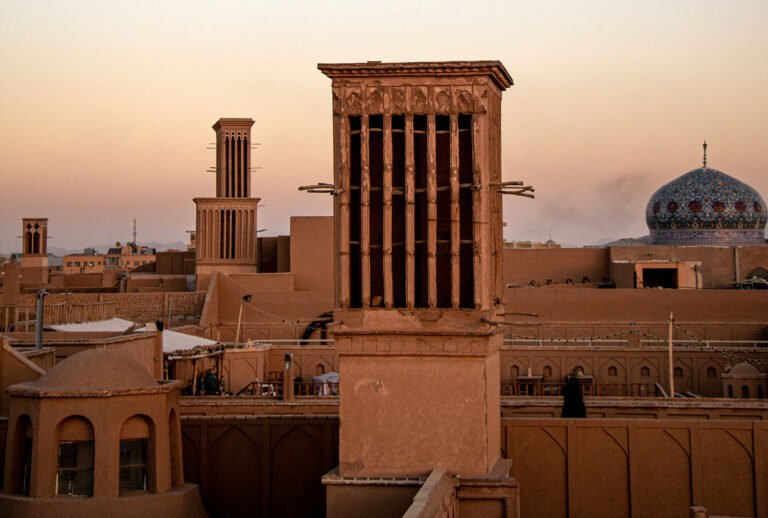
Kerman sits on the edge of Iran’s vast desert landscapes, where high plateau air meets sunlit horizons. Long a crossroads on historic trade routes, the city carries layers of architecture, craft, and everyday life shaped by caravans, gardens, and water management in an arid climate. Its streets balance modern routines with older quarters, and the light—clear and dry—gives brick, tile, and adobe a distinctive warmth.
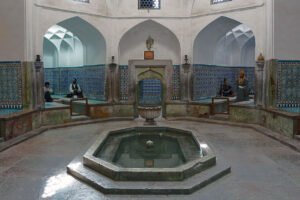
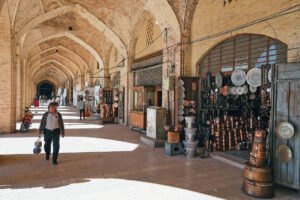
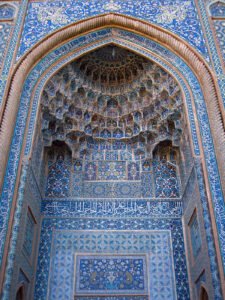
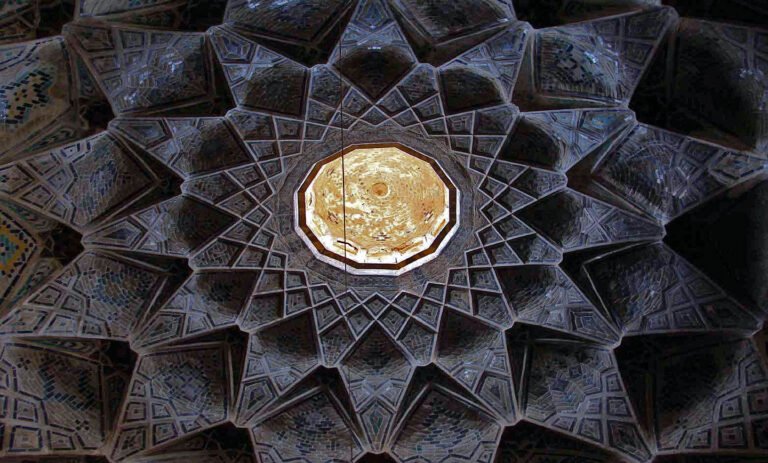
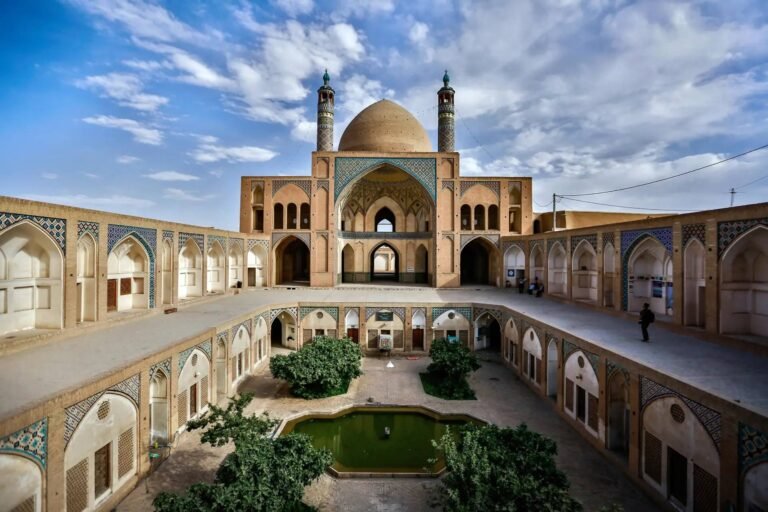
Within the city, traditional bazaars and caravanserais reflect Kerman’s mercantile past, while mosques and bathhouses show the region’s refined decorative arts. Outside town, the terrain shifts quickly: pistachio orchards, rugged mountains, and desert formations create striking day-trip contrasts. Kerman is also closely linked to nearby UNESCO-listed sites such as the Bam citadel and the desert town of Mahan, where garden design and Sufi heritage add depth to the region’s cultural map.
Food and handicrafts round out the experience, from spiced stews and sweets to the fine weaving traditions of the province. The pace is unhurried, and the city’s character reveals itself through conversations, courtyards, and the steady rhythm of trade.
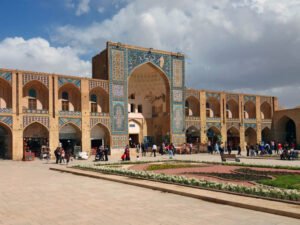
- Wander the vast Ganjali Khan Complex, a masterpiece of Safavid urban design.
- Explore Lut Desert landscapes nearby, with striking kaluts and starry nights.
- Step into Rayen Castle, a formidable adobe citadel echoing ancient defenses.
- Discover Shahzadeh Mahan Garden, where water channels cool the desert air.
- Taste Kerman’s pistachios and local sweets in lively bazaars and tea-houses.
- Visit serene shrines and historic caravanserais that once served Silk Road travelers.
Kerman sits on Iran’s high plateau, so the year swings between crisp, clear days and intense summer sun. For most travelers, spring and autumn are the sweet spots: skies are often bright, the air feels comfortably cool to mild, and day trips to desert landscapes and historic sites are easier to pace. Summer can be very hot and dry, especially around midday, making early starts and shaded breaks important.Winter brings colder conditions, with chilly nights and occasional unsettled weather, yet it can be rewarding for quieter streets and sharp, low-angle light. If you’re planning longer excursions, aim for shoulder seasons when roads and viewpoints tend to be more forgiving.
Kerman is well connected within Iran, and most travelers arrive by air, rail, or road. The city’s airport links Kerman to major domestic hubs, making flying a practical option if you’re short on time. Trains reach Kerman from several large cities, a steady choice for those who prefer to travel overnight or enjoy the changing desert landscapes. Long-distance buses and private cars use the national highway network, with routes crossing wide plains and mountain passes depending on your starting point. Once in Kerman, local taxis and ride services make it easy to reach the center and nearby sights.
Explore Kerman
Attractions and Must-See Places in Kerman
Find Your Way Around Kerman
Signature Tours including Kerman
We believe your journey through Kerman should be immersive and deeply personal.
No results found.