f f f f f f f f f f f f f f f f f f
8°C
scattered clouds
0 Tours

Destinations of Iran

Rasht Uncovered

City Of Rain, Tea & Markets

Rasht sits in northern Iran near the Caspian Sea, shaped by humid air, frequent rain, and a landscape that shifts quickly from flat plains to forested foothills. As the capital of Gilan Province, it feels both regional and outward-looking, with boulevards, small squares, and a steady rhythm of daily trade that reflects its role as a gateway between the coast and the Alborz slopes.The city is closely tied to food culture and local ingredients: herbs, garlic, smoked fish, olives, and rice from surrounding paddies appear in many kitchens and markets. Walking through Rasht, you’ll notice how shopping is part of city life, from covered lanes and storefronts to produce stalls piled high with greens and seasonal fruit, especially on damp mornings when the colors look deeper.Beyond the center, short drives lead to tea gardens, wetlands, and villages with wooden houses and sloped roofs designed for heavy rainfall. Rasht makes a practical base for exploring Gilan’s coast, lagoons, and mountain roads, while still offering a distinctly urban, everyday atmosphere.

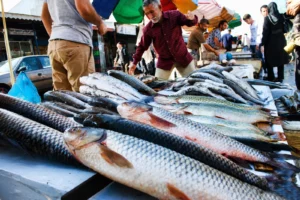
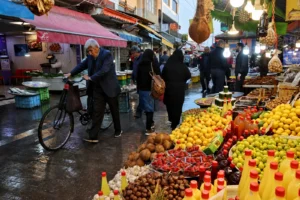
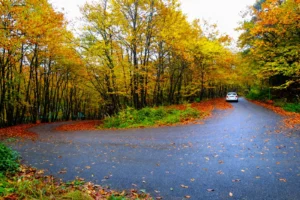
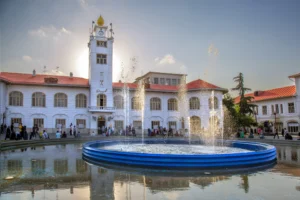
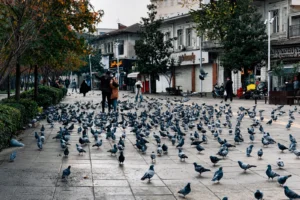
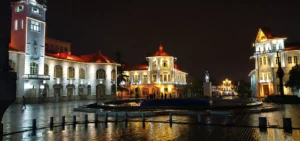
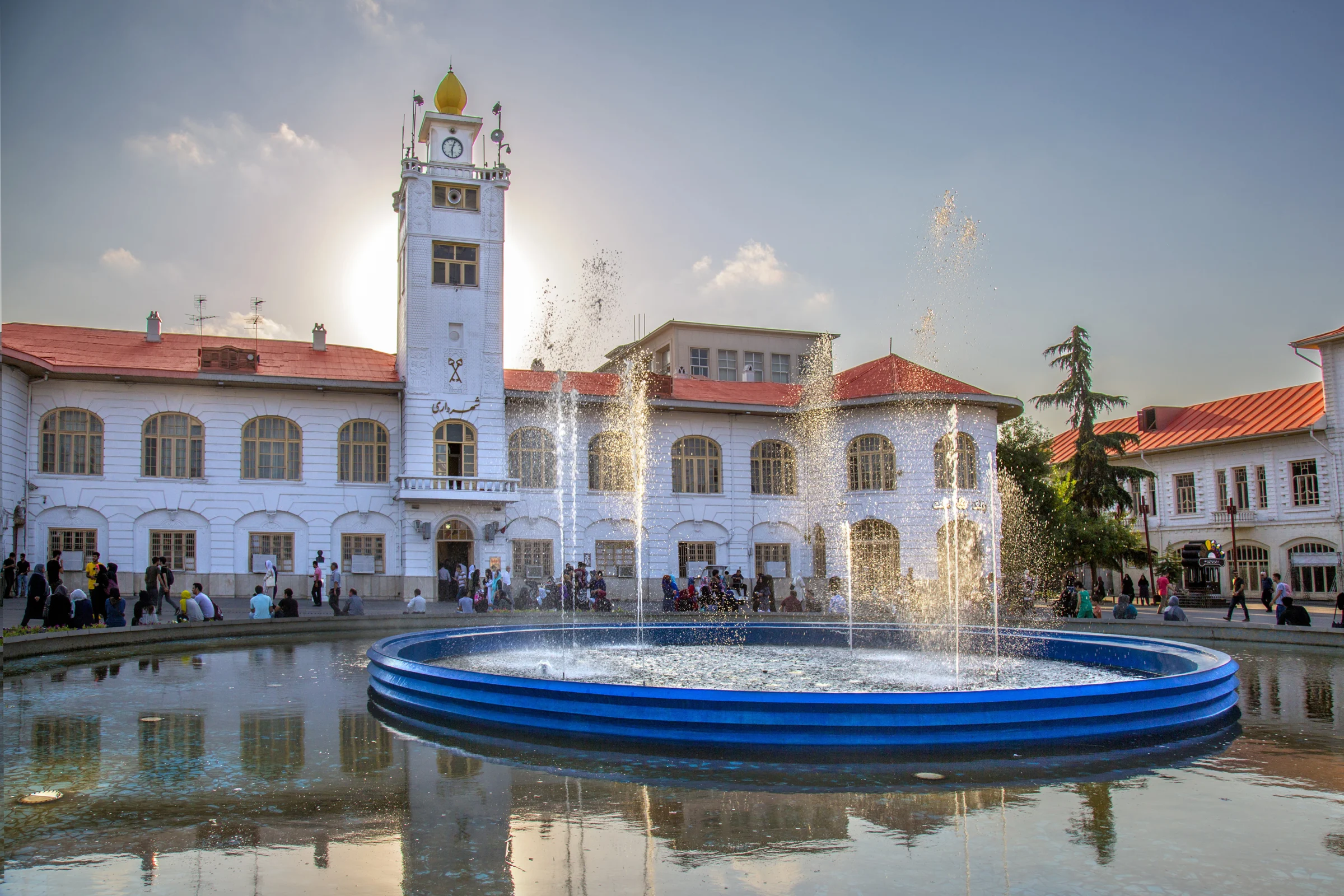
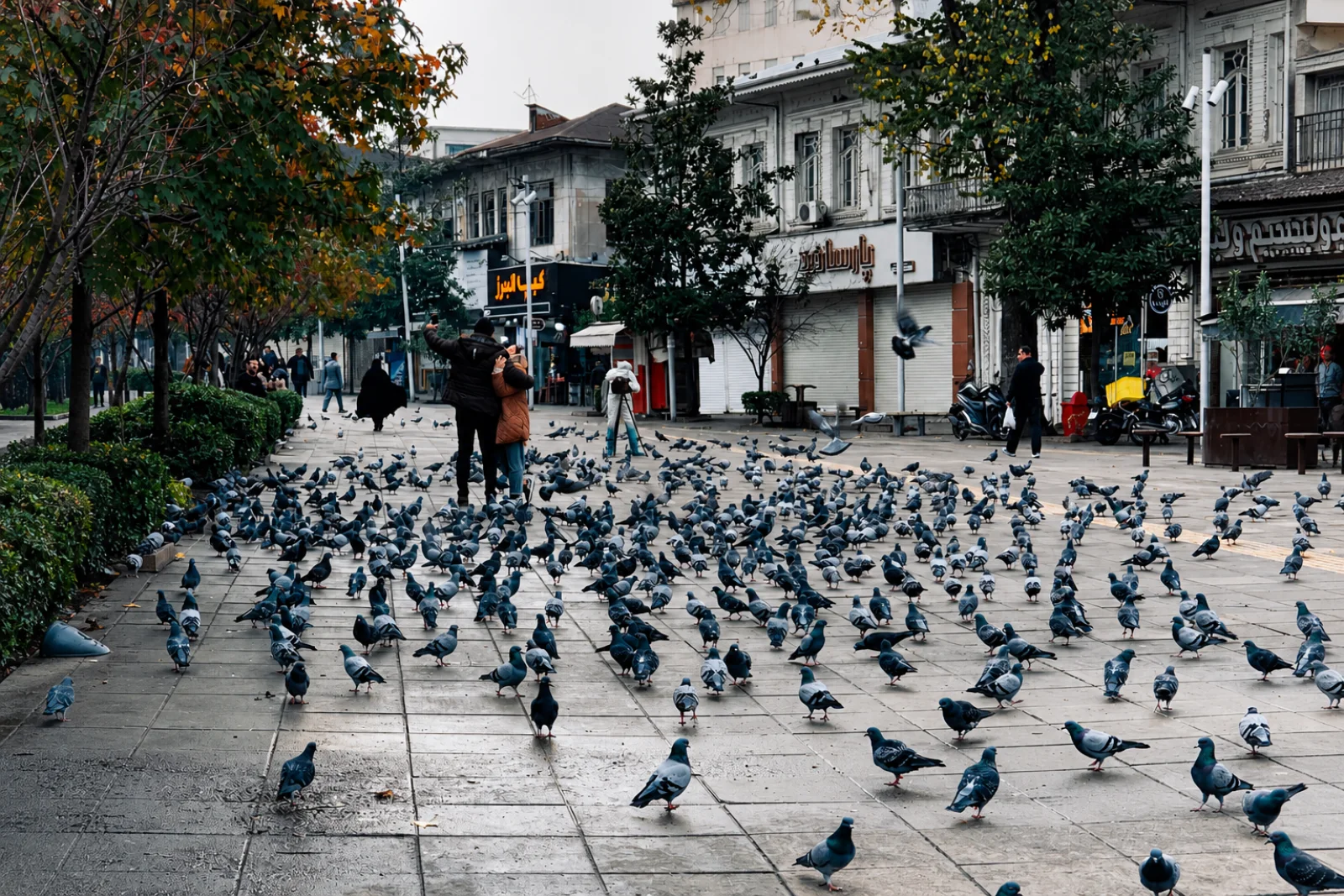
Rasht outdoor fish market scene with vendors displaying a wide variety of fresh fish amid colorful market umbrellas. Rasht Market Scene features an open-air covered market where visitors can browse vibrant produce and local goods among daily shoppers. Curved forest road in autumn near Rasht, with striking colorful foliage and a serene natural setting. Rasht Public Square features a striking white building with a clock tower, a central blue fountain, and lively crowds enjoying the open space. A bustling urban square in Rasht features numerous pigeons, mature trees, and shopfronts, creating a lively gathering place for locals and visitors. Rasht illuminated civic square at night features prominent white buildings with red roofs and a distinctive clock tower arranged around a reflective plaza.
Rasht Highlights
  • Gateway to Gilan’s lush landscapes, rain-kissed streets, and relaxed pace.
  • Vibrant bazaars packed with herbs, olives, fish, and regional handicrafts.
  • Celebrated food culture with smoky kebabs, stews, and fresh northern flavors.
  • Easy access to Caspian coast, wetlands, and forested mountain escapes.
  • Everyday city life feels social, with cafés, parks, and evening strolls.
Best Time to Visit Rasht

Rasht is at its most comfortable in spring and early autumn, when the air feels fresh, gardens and rice fields are vivid, and walking the streets is easier between showers. Summer brings lush greenery and long, bright days, but it can feel humid and sticky, especially after rain.
Winter is quieter and moodier, with more frequent rain, low clouds, and damp evenings—ideal if you enjoy atmospheric cafés and a slower pace, but less predictable for outdoor plans. Whenever you come, pack for changeable weather: Rasht is known for its rainfall, and quick shifts from drizzle to clear skies are part of the city’s character.

How to Reach Rasht

Rasht is easy to reach from several common entry points in Iran. By air, travelers typically fly into the nearest regional airport serving the Rasht area, then continue by taxi or pre-arranged transfer into the city. By rail, you can arrive via the national network and connect onward to Rasht, with the last stretch often handled by local transport. By road, most visitors come from Tehran and other Caspian-side cities using the main highways and scenic mountain routes; shared taxis and intercity buses run frequently on these corridors. Once in Rasht, getting around is straightforward with taxis and app-based rides.

Municipality Square Facades
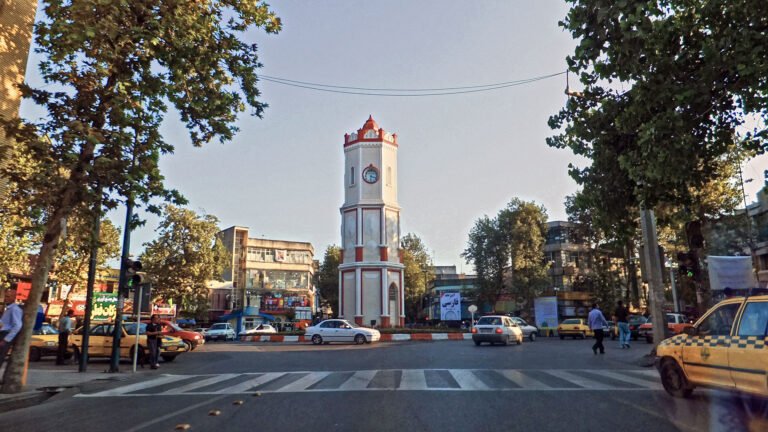
Rasht’s Municipality Square is framed by early-20th-century civic buildings whose neoclassical facades and clock-tower silhouette reflect the city’s modernizing urban plans. The surrounding arcades and radiating streets make the square a long-standing civic stage for public gatherings.
City of Rain and Rice
Rasht is widely nicknamed the “City of Rain” for its humid Caspian climate and frequent showers. Set in Iran’s lush Gilan Province, it’s also strongly associated with rice paddies, tea gardens, and the distinctly green, agrarian landscape that surrounds the city.

Explore Rasht

No posts found

Find Your Way Around Rasht

See all the key sights, landmarks, and hidden gems of Rasht pinned exactly where they are — making it easier to plan your route and explore like a local.

Signature Tours including Rasht

Keep Exploring

Discover Iran’s Most Beautiful Cities

Continue your adventure beyond Rasht with a selection of destinations that truly showcase the diversity and beauty of Iran. From historic cities and cultural capitals to mountain escapes and desert wonders, each destination brings its own rhythm, stories, and unforgettable experiences.
Esfahan_Sheikh_lotfollah
Windcatchers-Yazd
sari-3-pardisan
Two people in green shirts cycling on a paved path beside a blue sea, yellow railing, and distant ships visible
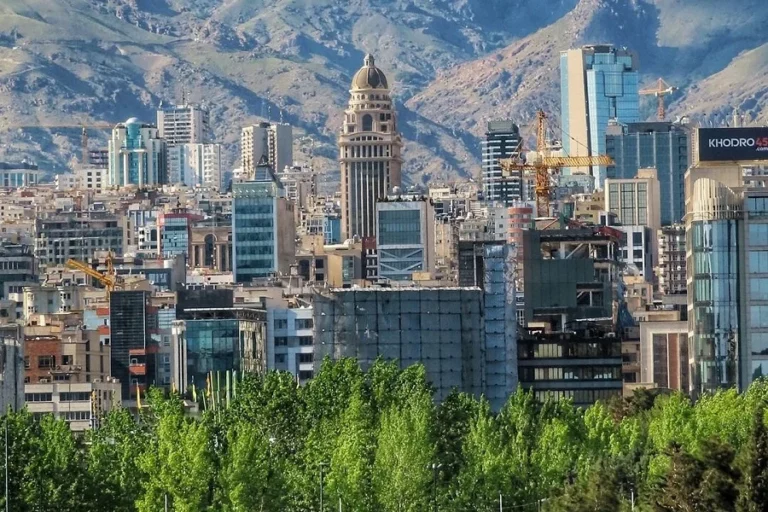
Tehran facing Alborz Mountains
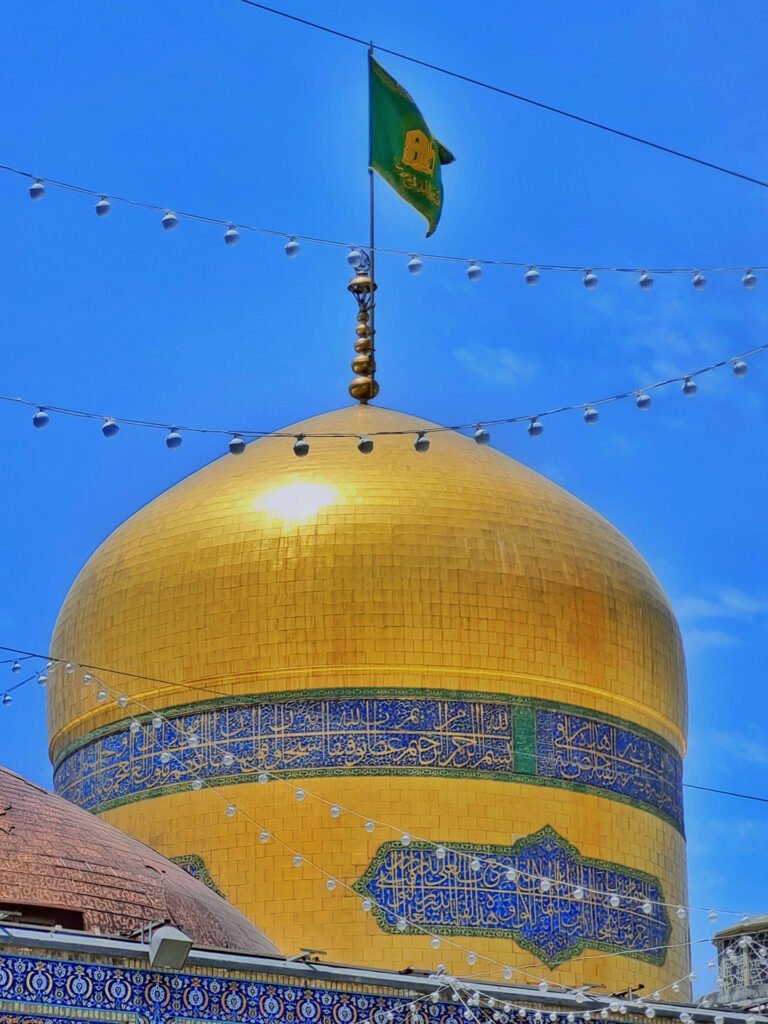
Imam-Reza-MAshhad
Jameh_Mosque,_Kerman,_Iran_(1248469883)
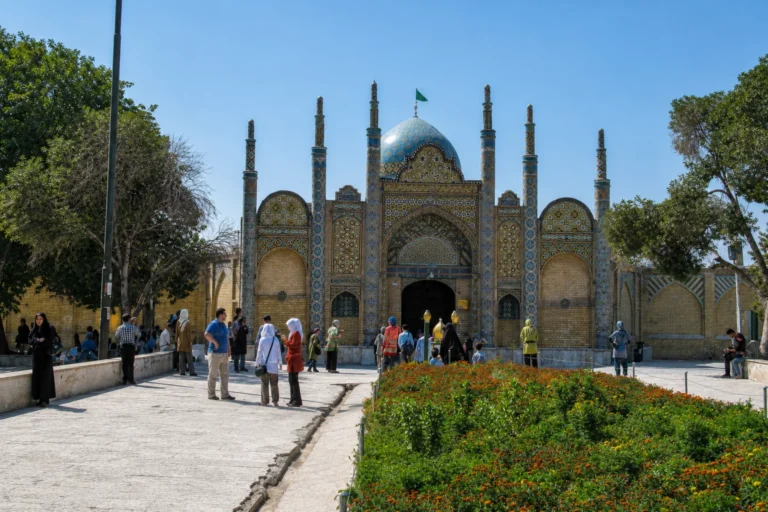
People in a courtyard facing a mosque or shrine with a patterned facade, blue dome, minarets, arched entrances, and flower beds in front

Frequently Asked Questions about Rasht

Allow two full days in Rasht for a relaxed introduction to its bazaar, central streets, and distinctive Gilani cooking. Add a third day if you want an excursion beyond the city rather than squeezing sightseeing into arrival and departure days. Rasht rewards unhurried wandering and meals as much as a checklist of sights.

Spend your first day exploring Rasht Bazaar and the streets around Shahrdari Square, leaving time to return to the square in the evening. On your second day, browse food shops and try regional dishes such as mirza ghasemi, a smoky aubergine dish, or baghala ghatogh, made with beans, dill, and eggs. Ask about ingredients if you have dietary restrictions, since vegetable-based dishes may still contain eggs or other animal products.

For an extra day, choose either the lagoon area around Bandar Anzali or the mountain village of Masuleh, rather than attempting both. Check weather and transport arrangements locally before setting out. Carry a light rain layer and shoes with good grip, as wet weather can affect city walks and excursions.

Rasht is an excellent place to explore Gilaki cooking, known for its generous use of herbs, garlic, walnuts, and sour flavors. Start with mirza ghasemi, a smoky mixture of eggplant, tomato, garlic, and eggs, or baghala ghatogh, a bean dish typically cooked with dill, garlic, and eggs. Both are commonly enjoyed with rice or bread.

For a meat-based option, look for kabab torsh, marinated with ingredients such as pomegranate, walnuts, and herbs. Olives dressed with walnuts, pomegranate, and garlic—usually called zeytoon parvardeh—make a distinctive accompaniment. Recipes vary between kitchens, so ask which dishes are local specialties rather than expecting every restaurant to serve the same selection.

Rasht’s bazaar is useful for discovering regional produce, pickles, olives, and rice, while a sit-down restaurant makes it easier to sample cooked dishes. If you are vegetarian or have allergies, ask specifically about eggs, dairy, walnuts, and meat-based ingredients; a vegetable-led dish is not necessarily vegan. Ordering a few dishes to share is a practical way to compare flavors.

Spring and early autumn generally offer a comfortable balance for exploring Rasht, with milder conditions than the humid summer months. Rain is possible throughout the year, however, so choose your dates around your tolerance for wet weather rather than expecting a reliably dry season.

Spring suits walks around Municipality Square and the surrounding central streets, though the Nowruz holiday period can bring busier travel conditions. Early autumn can also be pleasant for sightseeing, but pack for showers and check the forecast before planning longer outdoor excursions.

Summer remains an option if you do not mind warmth and humidity; plan outdoor walks earlier in the day and leave room for breaks. Winter is generally cooler and wetter, making a flexible itinerary especially useful.

Whatever the season, bring a lightweight waterproof jacket and shoes with good grip for wet paving and market lanes. Keep museum visits or relaxed café stops as alternatives when heavy rain interrupts your plans.

For exploring central Rasht, combine walking with taxis rather than relying on a car throughout the day. The area around Municipality Square and Rasht Grand Bazaar is well suited to exploring on foot, with shopping lanes and public spaces close together. Wear shoes with good grip, as rain can leave paving slippery, and carry a compact umbrella.

For longer journeys or trips back to your accommodation, use a taxi or an app-based ride service if you have access to one. Ask your accommodation which services are currently practical for visitors, particularly if you do not have a local SIM card. For a street taxi, clarify whether the ride is private or shared and confirm the fare and destination before setting off; a saved map pin or address in Persian can help avoid confusion.

Driving is generally less convenient for sightseeing in the busy center because of traffic and parking. If you arrive by car, ask your accommodation about parking and explore the central sights on foot where practical. For excursions outside Rasht, arrange transport separately and confirm the return journey before leaving.

Rasht’s traditional bazaar is a working market rather than a curated shopping attraction, with fresh-produce stalls, fish sellers, spice merchants, and household goods spread through interconnected lanes. Visit for a glimpse of everyday life as much as for shopping, and expect busy passages and wet or uneven surfaces around some stalls.

Morning is generally a good time to see the market in full swing, although individual traders’ schedules vary. Wear comfortable shoes with good grip, carry a compact bag, and keep your phone and wallet secure in crowded sections.

For purchases, carry some Iranian rials and confirm whether quoted amounts are in rials or tomans before paying, since everyday prices are often expressed in tomans. Ask permission before photographing vendors or their displays, avoid blocking customers, and check any restrictions at your onward destination before buying fresh food to take home.

For a first visit to Rasht, look for accommodation within comfortable walking distance of Municipality Square, also known as Shahrdari Square. This puts you close to the city’s central streets, cafés, and evening activity, making it easier to explore without arranging a ride for every outing.

If quiet nights matter more than a central address, consider a property on a side street away from major roads and busy commercial areas. Ask whether your room faces the street or an internal courtyard, and check recent reviews for comments about traffic noise, cleanliness, and dampness rather than relying only on the advertised location.

If you are arriving by car or planning excursions beyond Rasht, confirm parking arrangements directly with the property before booking. A central address does not necessarily mean convenient vehicle access, so ask where you can unload luggage and whether parking is on-site or elsewhere.

Rasht’s Municipality Square, also known as Shahrdari Square, is a useful introduction to the city’s architecture and public life. Its distinctive municipal building and clock tower anchor a group of early twentieth-century civic buildings, including the historic post office. The ensemble reflects the Caspian region’s architectural connections with its northern neighbors.

Come to appreciate the buildings from the pedestrianized square rather than assuming you can enter them. Public access to civic buildings and any exhibitions can change, so confirm locally if an interior visit matters to you. The square itself offers good views of the façades and space to pause between sightseeing stops.

Nearby pedestrian streets, including Alamolhoda Street, extend the visit with shops and cafés. Toward evening, the atmosphere often becomes more sociable as residents gather, while daylight is better for studying architectural details.

Scroll to Top