f f f f f f f f f f f f f f f f f f
12°C
clear sky
0 Tours

Destinations of Iran

Bam Uncovered

Oasis of Timeless Wonders

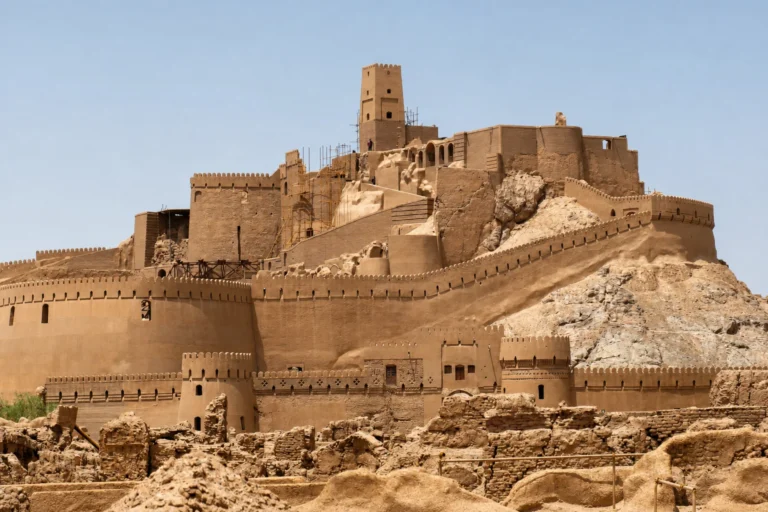
Bam, in Kerman Province in south-eastern Iran, is known for Arg-e Bam, the earthen citadel and fortified town at its historic core. Its position on trading routes helped sustain commerce in textiles, including cotton and silk. Within the enclosing walls, residential quarters, a bazaar, a mosque and the elevated governor’s compound reveal a settlement organised around both everyday exchange and political authority.

Sun-dried brick, clay and vaulted construction give Arg-e Bam its distinctive architectural character. The earthquake of December 2003 devastated the citadel and the surrounding city, causing immense loss of life. Subsequent conservation has involved extensive documentation and reconstruction; what visitors encounter therefore needs to be understood as both historic fabric and the result of sustained work after disaster.

Beyond the walls, Bam’s date-palm groves and qanat irrigation systems place the monument within a living oasis landscape. Mazafati dates remain closely associated with the city’s agricultural identity. Reading the citadel alongside these cultivated surroundings makes clear how trade, water management and farming supported urban life at the desert’s edge.

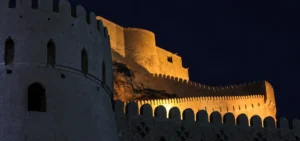
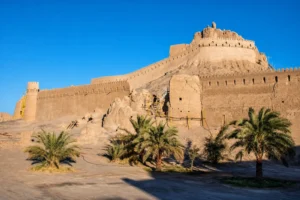
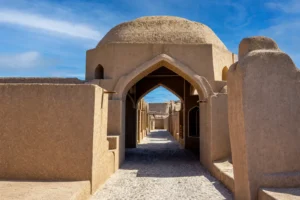
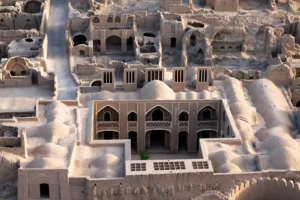
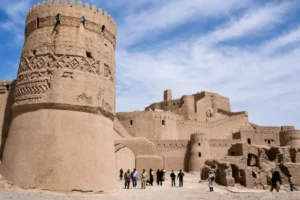
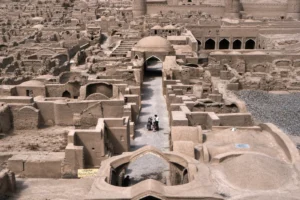
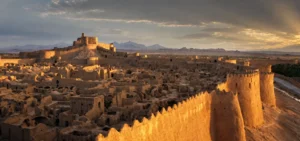
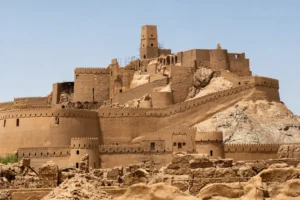
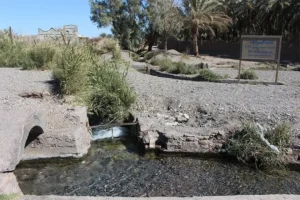
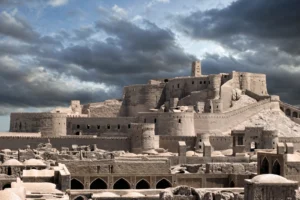
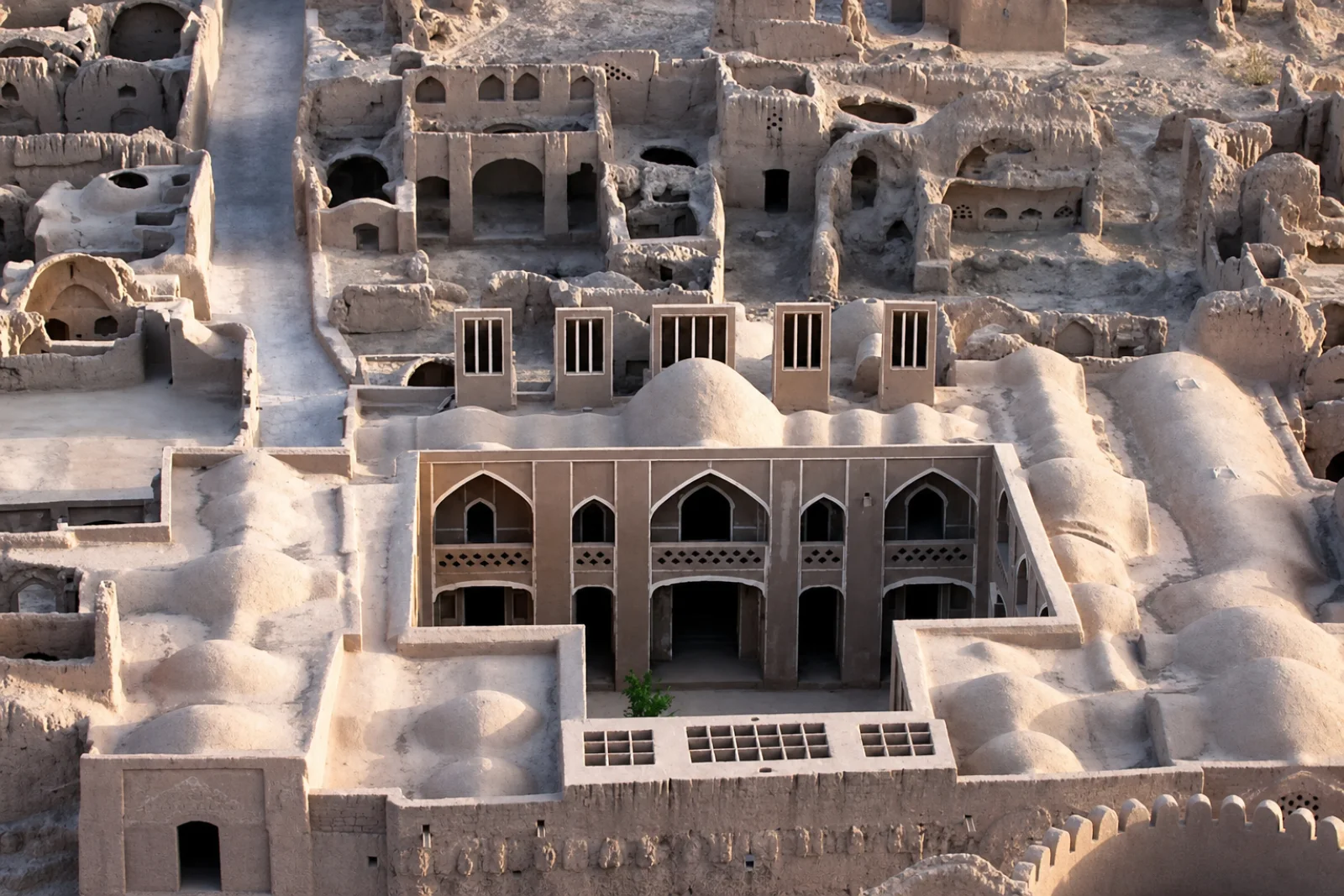
Bam Citadel illuminated at night, featuring its distinctively crenellated mudbrick walls and prominent defensive towers. Bam Citadel rises above its formidable mudbrick walls, surrounded by date palms and set against a clear sky. A corridor featuring traditional mudbrick arches and a domed roof, reflecting the distinctive desert architecture attributed to the Bam Citadel. Bam Citadel features a striking adobe fortress with domed roofs and several distinctive windcatchers, set amid extensive earthen ruins. Bam Citadel is notable for its striking earthen architecture, prominent patterned tower, and expansive terraced fortifications seen here with visitors. Main Street and Architecture inside Bam Citadel, showing distinctive earthen construction and numerous vaulted and domed structures in an expansive fortified complex. Bam Citadel sits at the center of this fortified adobe complex, surrounded by its crenellated walls and desert plain. The Bam Citadel is notable for its extensive fortified walls and distinct adobe architecture constructed on a rocky outcrop. Bam Akbar Abad Qanat water channel is shown here, with a visible irrigation system and a sign marking its name beside palm trees and arid terrain. Bam Citadel is a sprawling mud-brick fortress with concentric walls and prominent towers, rising above a dense array of historic ruins.
Bam Highlights
  • Bam’s Arg-e Bam citadel complex, mud-brick walls and labyrinthine lanes.
  • Walk among Bam’s date-palm gardens and see traditional irrigation channels beside orchards.
  • Visit the local bazaar area for dates, spices, and everyday Kerman-region crafts.
  • Use Bam as a base for desert-edge landscapes and stargazing outside town lights.
  • Notice Bam’s rebuild-and-repair story in newer quarters around the historic core.
Best Time to Visit Bam

Bam, in south-eastern Iran’s Kerman Province, has an arid climate, with hot summers and a marked contrast between daytime warmth and cooler nights. Spring and autumn generally offer more comfortable conditions for exploring Arg-e Bam, whose exposed earthen walls and open spaces provide limited shelter from the sun. Spring becomes hotter as summer approaches, while autumn gradually brings cooler evenings. Bam’s date palms belong to a cultivated oasis landscape, not an indication of plentiful rainfall.

In summer, plan outdoor sightseeing for the cooler parts of the day, carry water and allow for breaks out of direct sun. Confirm current visiting hours at Arg-e Bam before relying on an early start. Winter can suit daytime exploration, but mornings and nights may feel cold; bring layers rather than packing only for a desert image. Check the forecast close to departure, particularly for rain or unusually cold conditions.

How to Reach Bam

Bam lies in south-eastern Iran’s Kerman Province and can be reached by road from Kerman, a useful regional gateway for an overland journey. Travellers already exploring the province can plan their approach around this road connection; vehicle availability, collection points and any intercity bus departures require confirmation before setting out.

Current air and rail services to Bam have not been verified here, so neither should be assumed when arranging an itinerary. If arriving in Iran through Tehran or another major city, confirm the onward connections before committing to accommodation or a fixed arrival date in Bam.

Mudbrick City-Making Traditions
Bam is renowned for an urban fabric built largely in adobe, where thick earthen walls, vaulted rooms, and narrow lanes were shaped for hot, arid summers. After the devastating 2003 earthquake, restoration and rebuilding revived many traditional mudbrick techniques alongside modern seismic...
Iran’s Date-Palm Oasis
Bam is often called Iran’s “city of dates,” thanks to its desert oasis of extensive palm groves long supported by traditional irrigation. This fertile belt contrasts sharply with the surrounding Lut-edge landscape and has shaped the city’s identity for centuries.

Explore Bam

ancient fortress with high adobe walls, crenellated towers, and stepped ramparts rising over a rocky hillside under a clear sky

Find Your Way Around Bam

See all the key sights, landmarks, and hidden gems of Bam pinned exactly where they are — making it easier to plan your route and explore like a local.

Signature Tours including Bam

Keep Exploring

Discover Iran’s Most Beautiful Cities

Continue your adventure beyond Bam with a selection of destinations that truly showcase the diversity and beauty of Iran. From historic cities and cultural capitals to mountain escapes and desert wonders, each destination brings its own rhythm, stories, and unforgettable experiences.
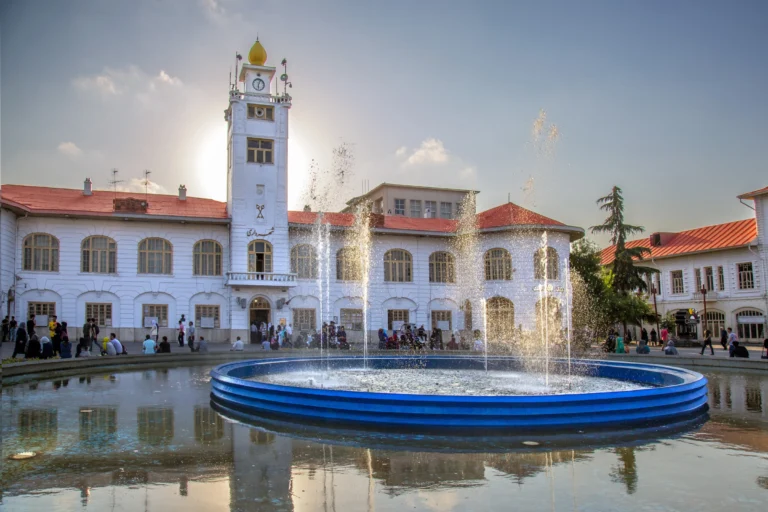
White building with a central clock tower, red roofs, and a blue fountain in front with water jets and people around
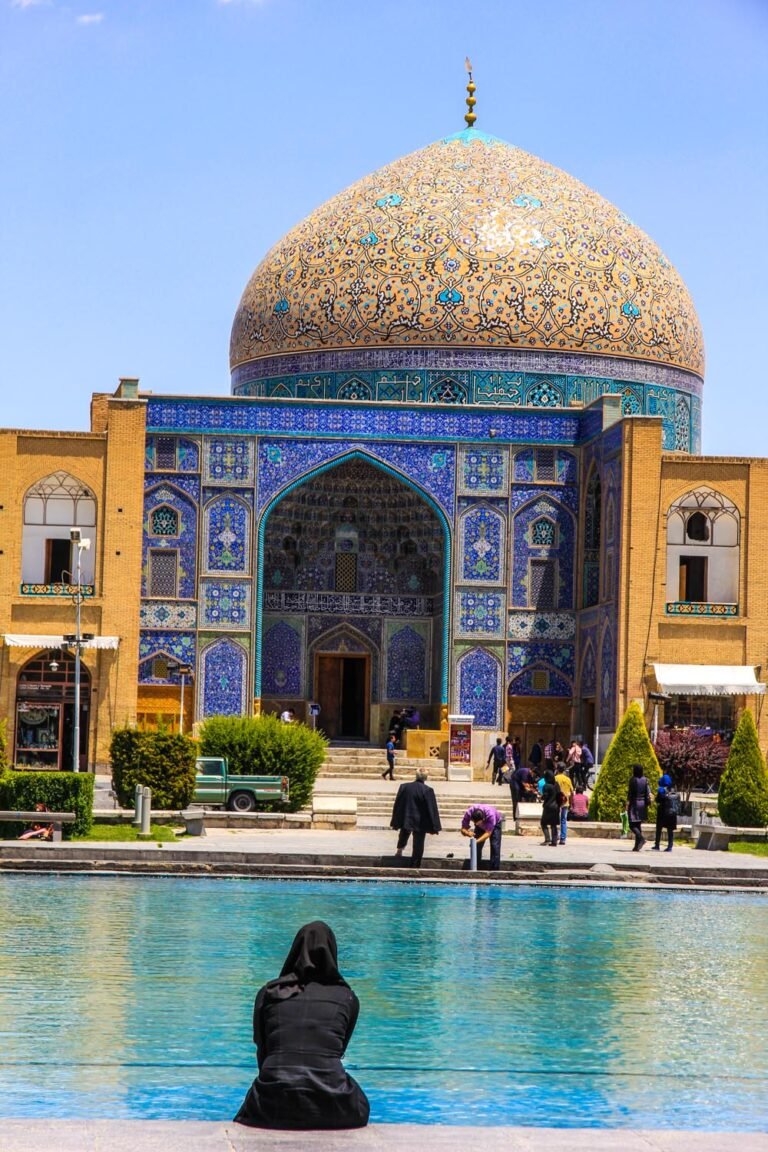
Esfahan_Sheikh_lotfollah
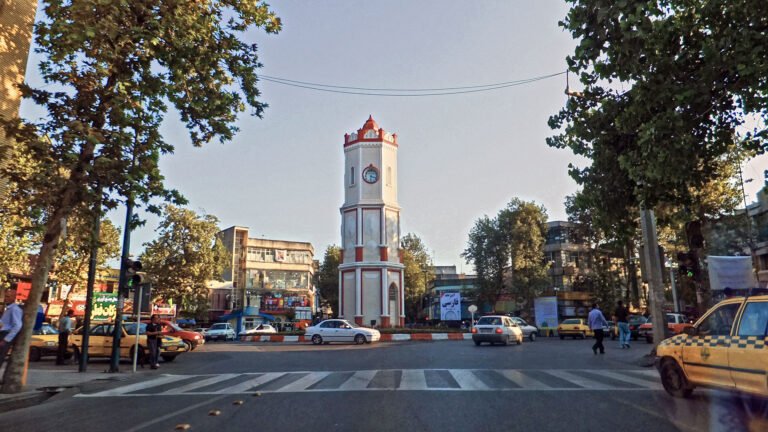
sari-3-pardisan
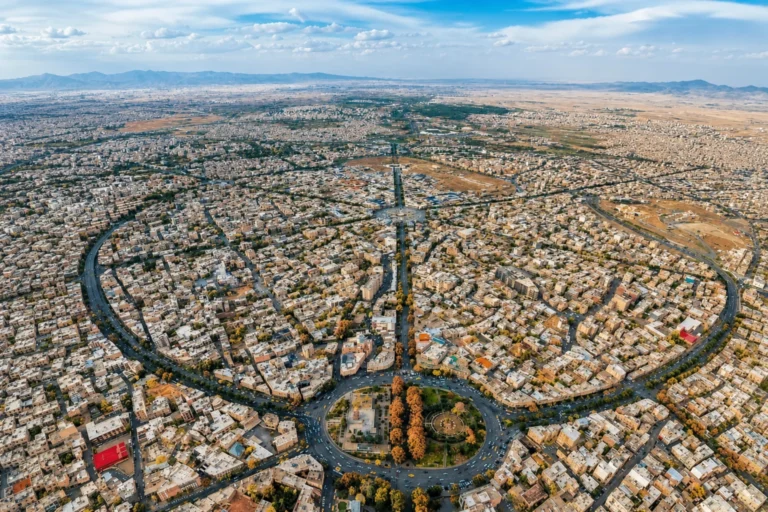
Wide aerial view of a city with a prominent circular plaza and streets radiating outward surrounded by dense urban buildings under a blue sky
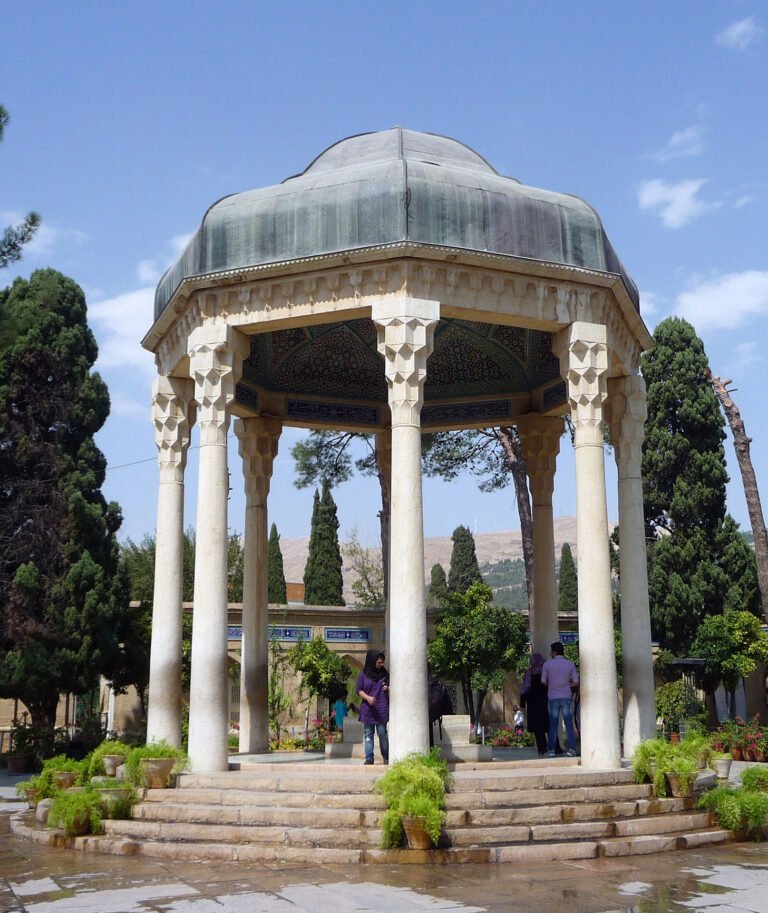
Hafez-Tomb
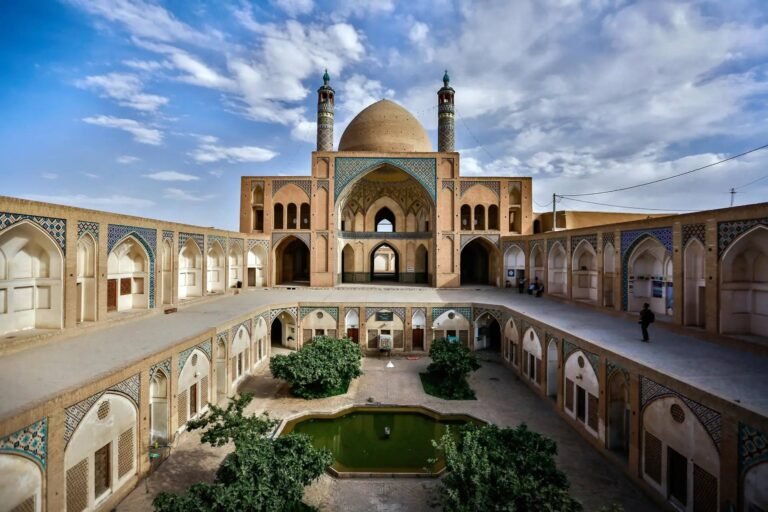
agha bozorg mosque kashan pardisan
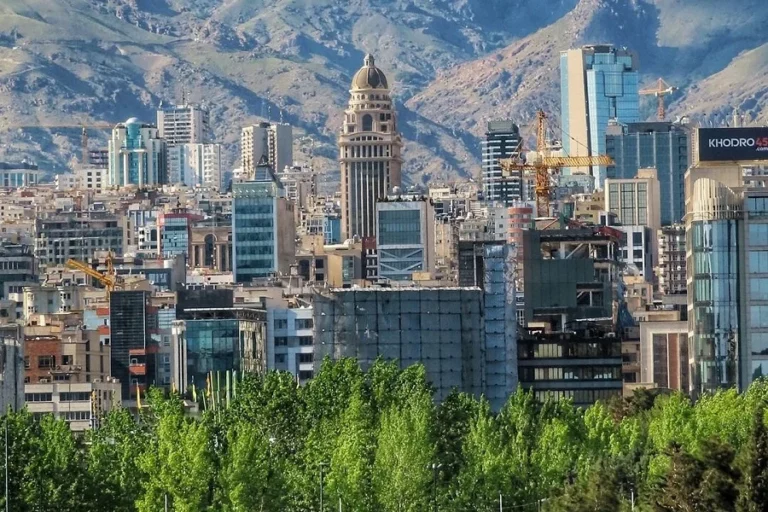
Tehran facing Alborz Mountains
Jameh_Mosque,_Kerman,_Iran_(1248469883)

Frequently Asked Questions about Bam

Bam, in southeastern Iran’s Kerman Province, is best known for Arg-e Bam, its vast earthen citadel, and the date-palm landscape surrounding the city. Plan your visit around the citadel, but leave time to understand how the oasis setting shaped the settlement and its traditional architecture.

The devastating 2003 earthquake is essential context: much of what you see reflects extensive conservation and reconstruction rather than an untouched historic complex. A knowledgeable local guide can help distinguish restored sections and explain the citadel’s residential quarters, defensive structures, and building techniques. Access to individual areas may change with conservation work, so confirm current arrangements locally.

Bam’s desert climate makes heat and sun important planning considerations. Cooler months are generally more comfortable for walking; in warmer weather, favor the cooler parts of the day, carry water, and wear sun protection and shoes with good grip for uneven surfaces. Shade can be limited within the citadel.

If you are arriving from Kerman or continuing elsewhere in southeastern Iran, arrange onward transport before setting out rather than assuming frequent connections. Check current official travel advice and local conditions before committing to the journey, and ask your accommodation or a reputable local operator about practical arrangements.

Arg-e Bam is more than a fortress: it is a fortified earthen town, with residential neighborhoods, public buildings, and a strongly defended governor’s quarter. As you explore, look for the contrast between the lower town’s lanes and courtyard houses and the elevated seat of power. This layout helps explain how everyday life and defense fitted together.

The historic bazaar, mosque, and communal spaces reveal the settlement’s civic and commercial role. A local guide can help identify structures whose purpose may not be obvious from their surviving walls. Ask which features are original, conserved, or reconstructed, since the devastating 2003 earthquake and subsequent restoration are essential to understanding what you see today.

Where accessible, higher sections offer a clearer sense of the citadel’s scale and its relationship with Bam’s surrounding oasis. Access to individual areas can change during conservation work, so confirm the available route on arrival. Wear shoes with good grip, and stay on designated paths rather than climbing fragile earthen structures.

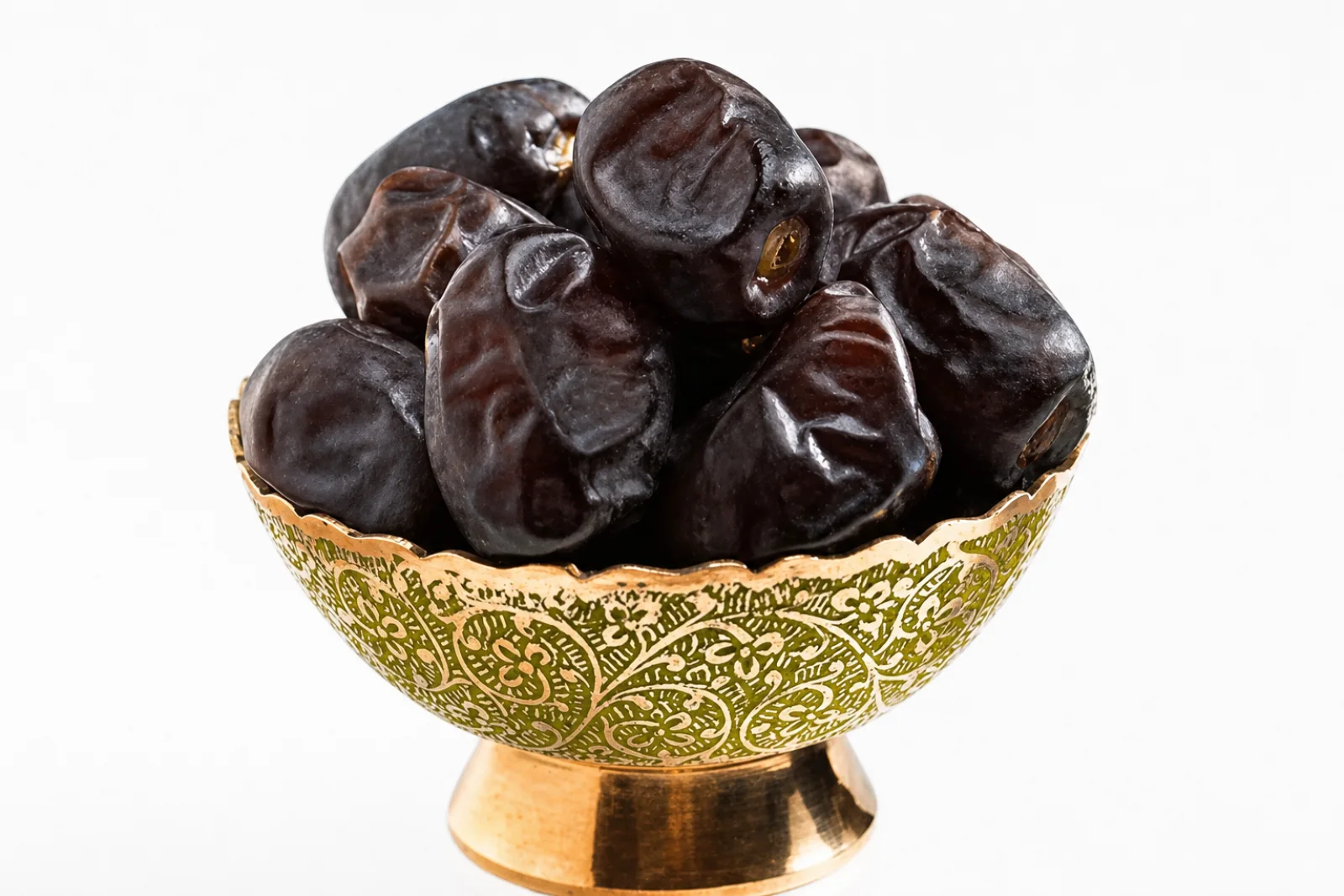
Bam is particularly associated with Mazafati dates, known for their dark skin, soft texture, and rich sweetness. Trying them from a local produce shop is a simple way to connect with the city’s oasis agriculture beyond its historic monuments.

Ask sellers which dates were grown locally and whether you can sample a small quantity before buying. Mazafati dates are naturally moist and can be sticky, so softness alone is not a sign of poor quality; choose a reputable seller and avoid fruit with visible mold or an unpleasant fermented smell.

If you want to take dates home, explain how long you will be traveling and whether you will have refrigeration. Soft Mazafati dates generally benefit from cool storage, so ask about suitable packaging and handling, and consider a small purchase if your onward journey will be hot. For international travel, check your destination’s current food-import rules before packing them.

Bam’s palm groves are part of a working oasis landscape, not simply a scenic backdrop to the citadel. Exploring them can add context to your visit, but cultivated plots, irrigation channels, and access tracks may belong to local families rather than form public walking routes.

Ask your accommodation or a local guide to suggest an appropriate route, ideally with someone who knows the growers. Stay on clearly established public lanes, ask before entering a grove, and avoid picking fruit or interfering with irrigation channels. Seek permission before photographing people, particularly around homes and workplaces.

Choose a cooler part of the day, carry drinking water, and wear closed shoes for uneven or dusty ground. Shade can be patchy even among the palms, so do not assume a grove walk will offer continuous shelter. Avoid wells, shafts, and underground water structures unless you are visiting an established site with suitable guidance.

For travel from Kerman to Bam, compare an intercity bus with a prearranged taxi or private driver. The road journey takes several hours, so allow a substantial part of the day rather than treating it as a short transfer. Confirm current bus departures, the departure terminal, and the arrival point through your accommodation or a local ticket office.

A private transfer offers more flexibility for luggage and stops, particularly if you plan to continue beyond central Bam. Before leaving, agree on the total fare, any waiting time, and whether the arrangement is one-way or includes a return journey. Ask your accommodation to help communicate the itinerary if needed.

Within Bam, taxis are useful for moving between your accommodation, Arg-e Bam, and outlying areas; do not assume everything is comfortably walkable. Save your accommodation’s address in Persian and carry cash for local transport. For an out-of-town excursion, arrange the return pickup in advance rather than relying on finding a vehicle at the destination.

The 2003 earthquake is central to understanding modern Bam, but the city is more than a disaster site. A thoughtful visit considers both the destruction and the continuing work of conservation, rebuilding, and everyday life.

At Arg-e Bam, ask a knowledgeable local guide to explain which features survived, which have been stabilized, and which have been reconstructed. Earthen architecture can make these distinctions difficult to read without explanation, so avoid assuming that everything you see is either untouched or entirely new.

When speaking with residents, let them decide whether to discuss personal experiences of the earthquake; a guided visit does not imply an invitation to ask about bereavement or loss. Ask permission before photographing people, and avoid treating damaged buildings or private spaces as photo opportunities.

Balance historical interpretation with time in the living city, such as a meal at a local restaurant or a visit to shops. This helps place Bam’s heritage alongside its present-day identity rather than defining it solely through tragedy.

In Bam, look beyond date-based treats to everyday Iranian cooking: grilled kebabs with rice or bread, slow-cooked stews, and freshly baked flatbread with cheese and herbs. These are not unique to Bam, but they offer a useful starting point when choosing a straightforward local meal.

Ask your accommodation host or a restaurant which cooked dishes are available that day, rather than expecting an extensive regional menu. For something lighter, ask about ash, a thick soup made in different combinations of herbs, pulses, and noodles; availability and ingredients vary. Ordering a shared selection can help you try more without committing to unfamiliar dishes.

Vegetarians should check ingredients explicitly, since soups, stews, and seemingly vegetable-based dishes may contain meat or stock. Eggplant dishes may also include kashk, a dairy ingredient, so vegan travelers should ask about both dairy and meat products.

Scroll to Top