12 Days

Classic Iran

The Persian Heritage Trail

trip tagline text

Activity type :
Difficulty:
Operation:
The Persian Heritage Trail Highlights
    Best Time to Visit The Persian Heritage Trail
    How to Reach The Persian Heritage Trail
    Safavid Water-Garden Heritage
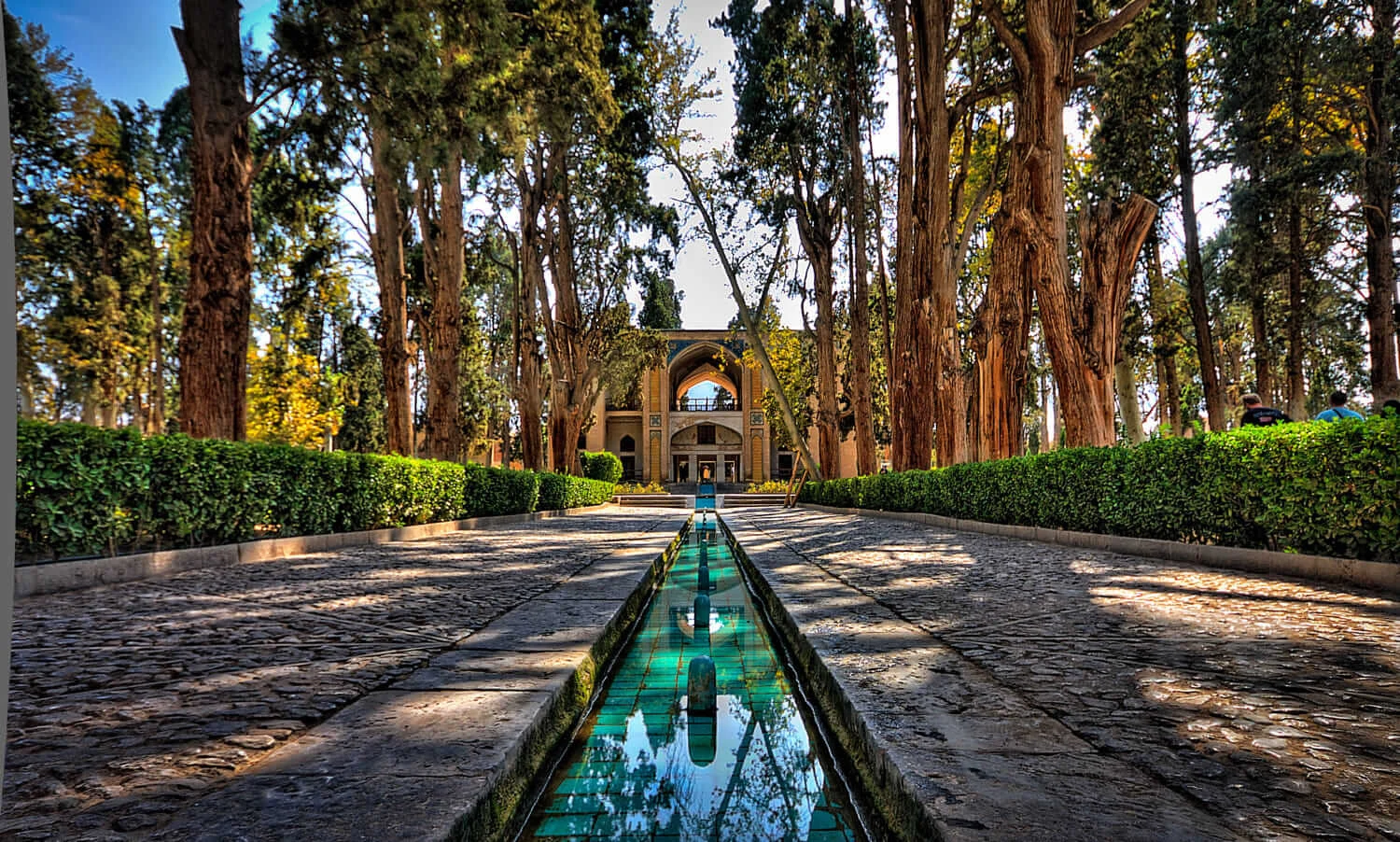
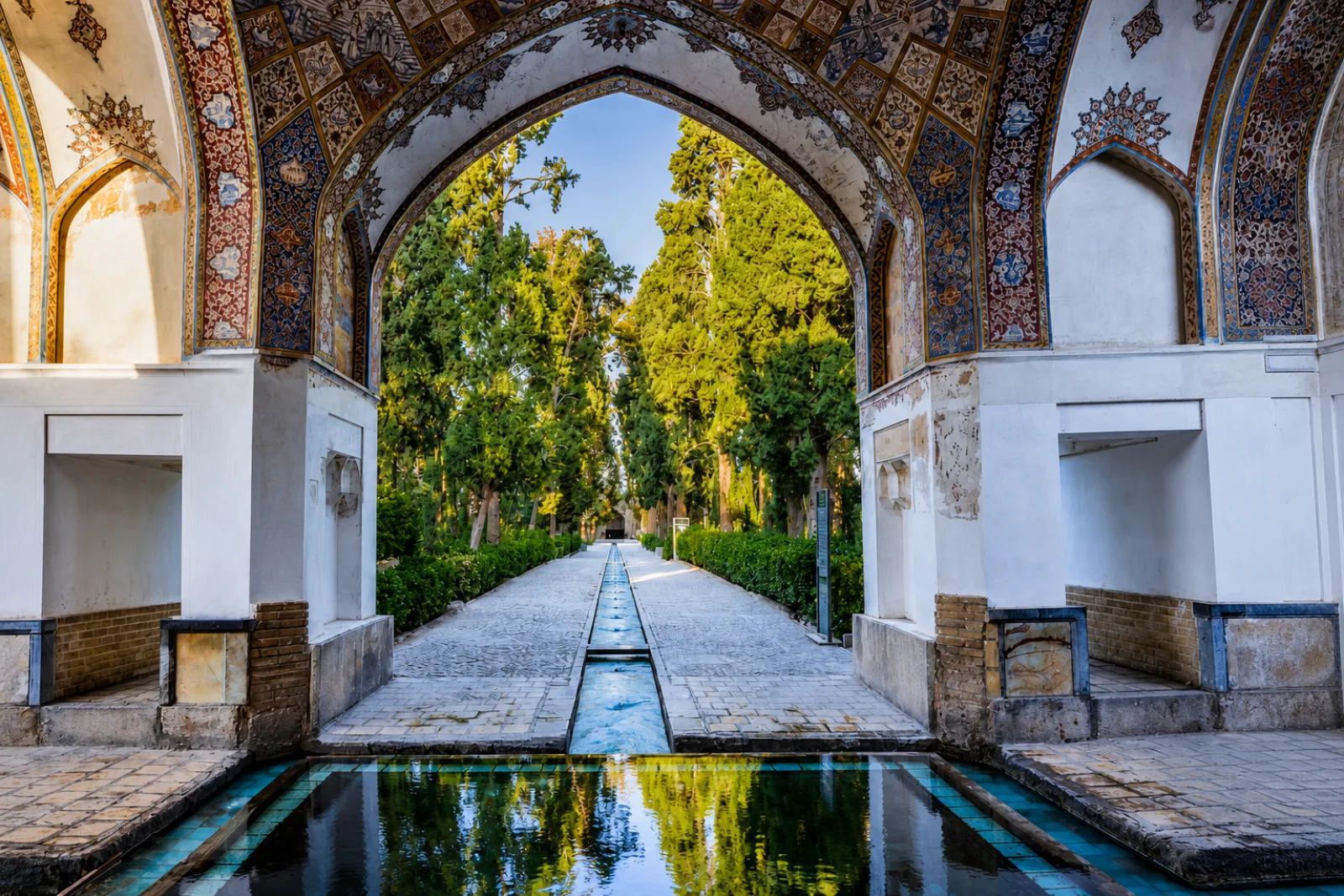
    Kāshān is home to Fin Garden, one of the nine sites that make up UNESCO’s serial listing “The Persian Garden”, celebrated for its geometric planting, cypress avenues, and ingenious qanat-fed water channels dating to Safavid and Qajar eras.
    Vaulted Alleys and Mud-Brick Walls
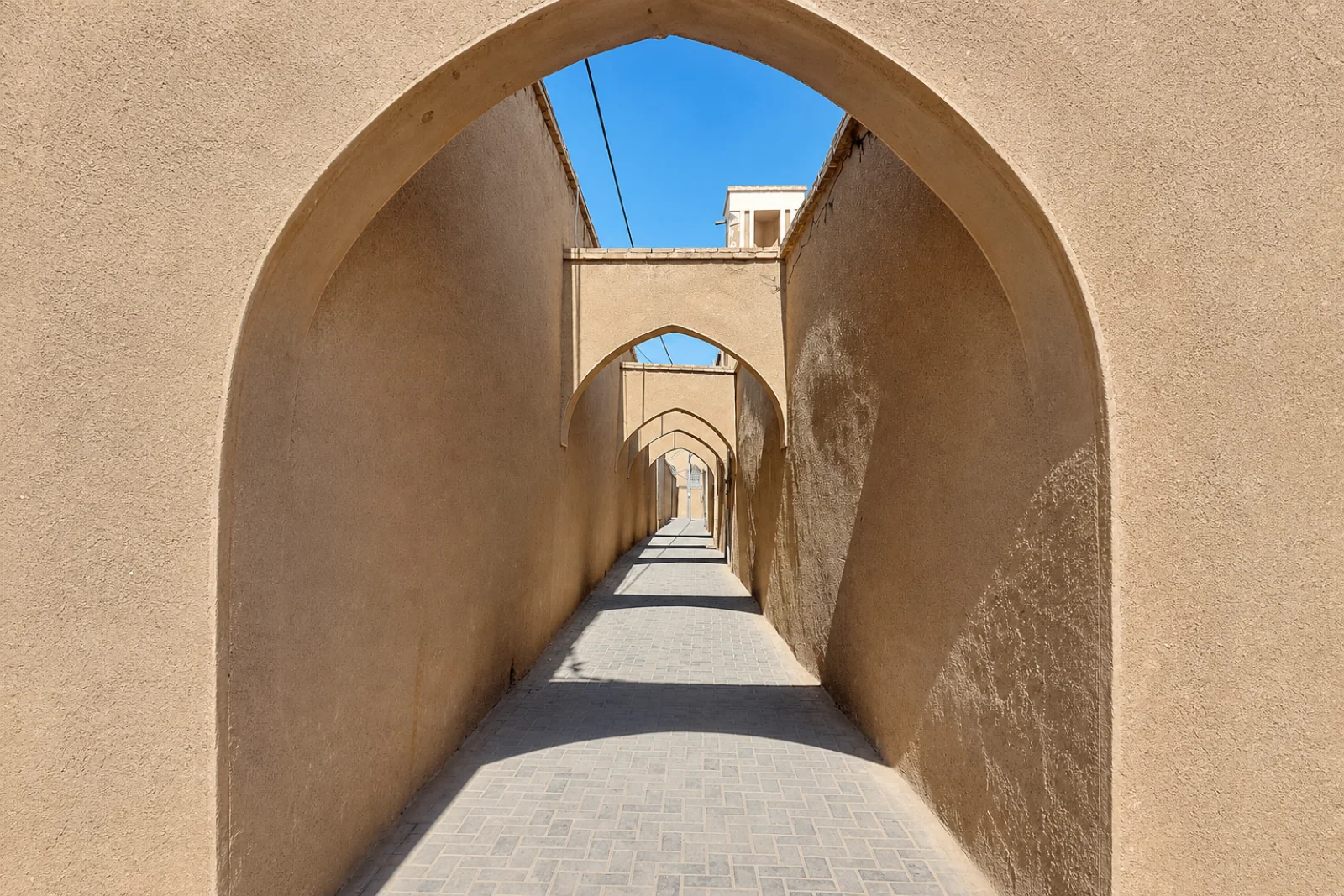
    Kashan’s historic neighborhoods are shaped by narrow, high-walled lanes that limit sun and wind while preserving privacy. Here and there, short covered passages and simple brick vaults stitch streets together, creating a shaded pedestrian fabric tuned to an arid climate.
    City of Rosewater and Courtyard Houses
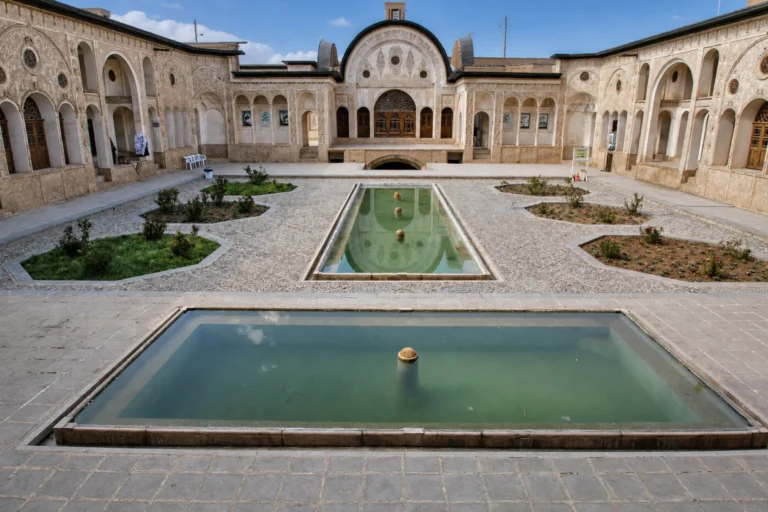
    Kashan is often associated with fragrant rosewater from the nearby Qamsar region and with refined desert-edge architecture. The city is famed for elegant merchant homes built around sunken courtyards, topped with windcatchers and intricate stucco, tilework, and stained glass.
    Iran’s Blush-Tinted Salt Lake
    Maharloo Lake (Pink Lake) is nicknamed for its seasonally rosy hue, caused by high salinity and pigment-producing algae and microorganisms. The shallow salt lake near Shiraz can shift from pale blush to vivid magenta, leaving bright salt crusts along its shores.
    Armenian Diaspora Heritage in Iran
    Vank Cathedral is a 17th-century church built for the Armenian community resettled under Safavid rule, and it’s often cited in discussions of Iran’s multi-faith heritage. While not a UNESCO World Heritage site itself, it complements the UNESCO-listed Safavid urban fabric of nearby Isfah...

    Explore The Persian Heritage Trail

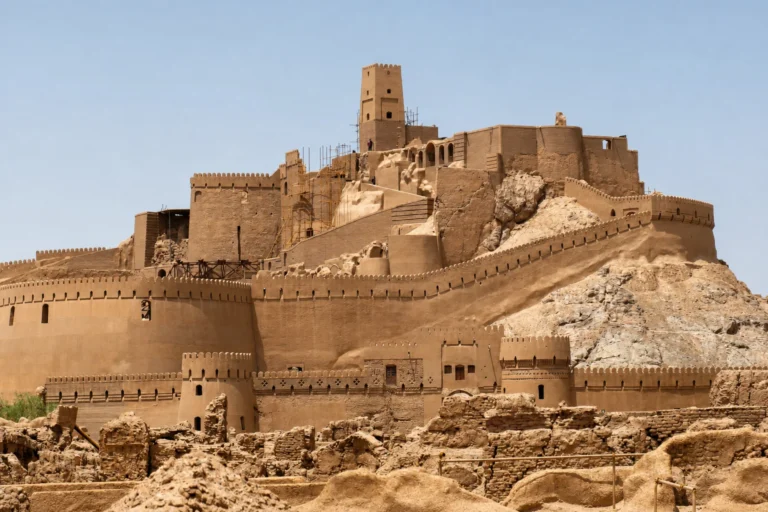
    ancient fortress with high adobe walls, crenellated towers, and stepped ramparts rising over a rocky hillside under a clear sky
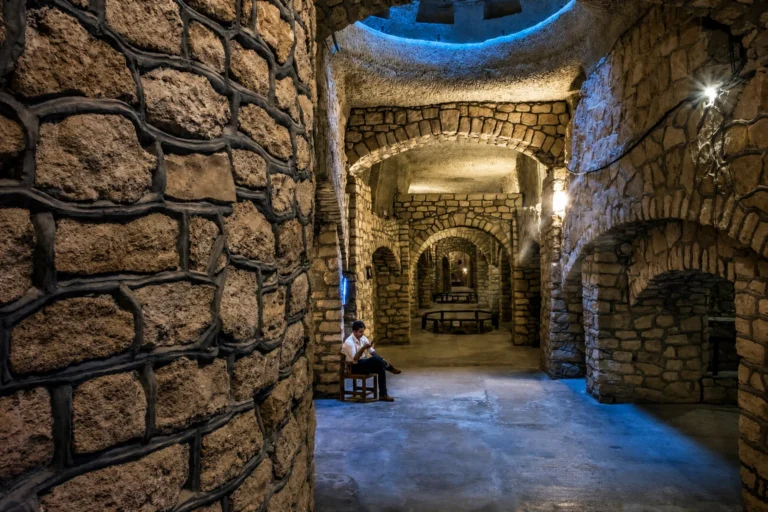
    Underground passageway with thick stone walls, vaulted arches, blue lighting, and a seated person visible in the corridor
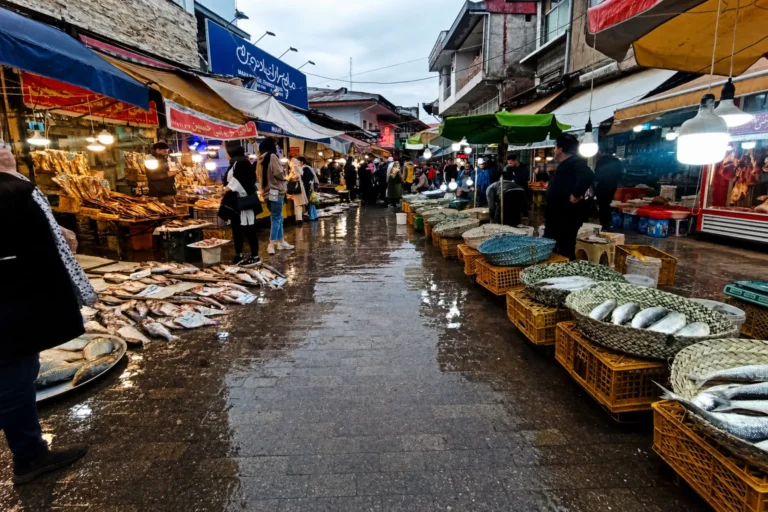
    Vendors selling fresh fish and dried seafood with baskets of fish on crates, open-air stalls, and shoppers under tarps on a wet street
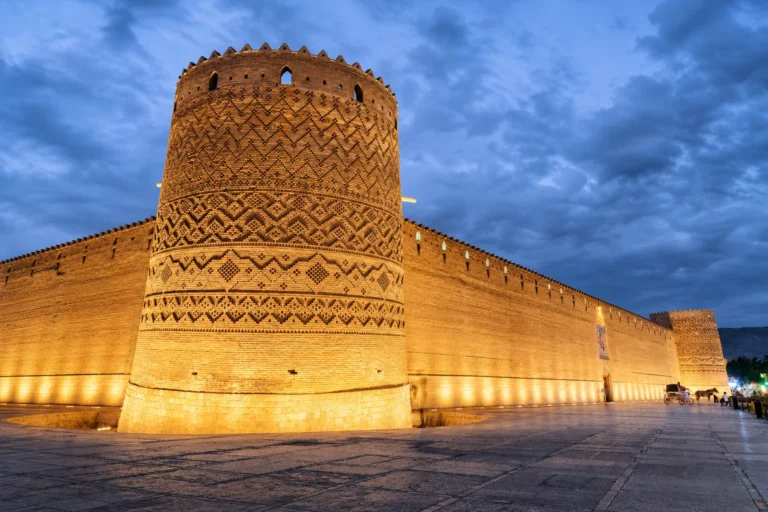
    Large brick fortress with detailed geometric patterns on round towers, illuminated by ground lights, with cloudy sky above and a wide paved plaza in front
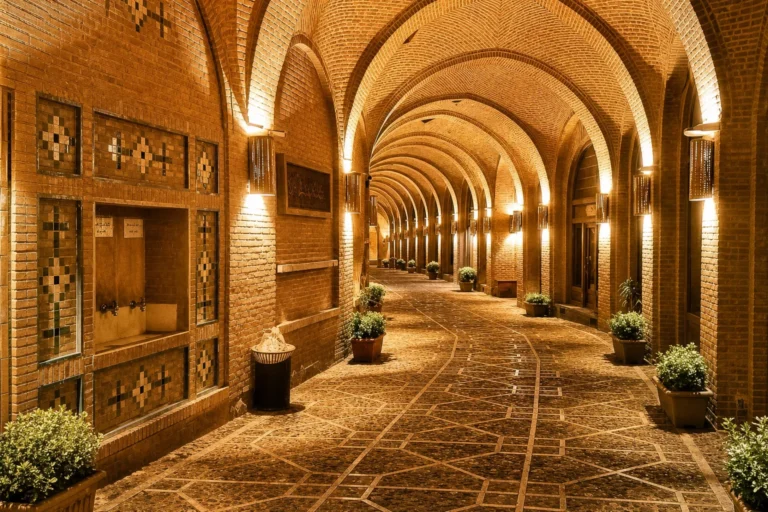
    long arched corridor with intricate brickwork, tiled geometric patterns on the floor, potted plants, and soft warm lighting along the walls
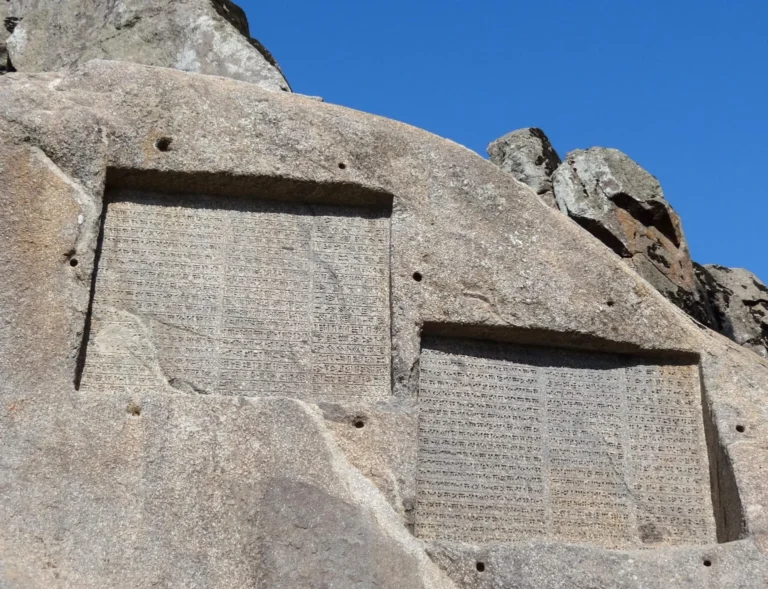
    Two large rectangular panels with ancient cuneiform script carved into a rough, natural stone surface under a clear sky
    Large central courtyard with two rectangular pools, surrounded by ornate arched walls and Persian architectural details
    kerman-bazaar-12
    maharloo-15-pardisan
    badab-e-surt-6-pardisan

    Find Your Way Around The Persian Heritage Trail

    See all the key sights, landmarks, and hidden gems of The Persian Heritage Trail pinned exactly where they are — making it easier to plan your route and explore like a local.

    Signature Tours including The Persian Heritage Trail

    Keep Exploring

    Discover Iran’s Most Beautiful Cities

    Continue your adventure beyond The Persian Heritage Trail with a selection of destinations that truly showcase the diversity and beauty of Iran. From historic cities and cultural capitals to mountain escapes and desert wonders, each destination brings its own rhythm, stories, and unforgettable experiences.
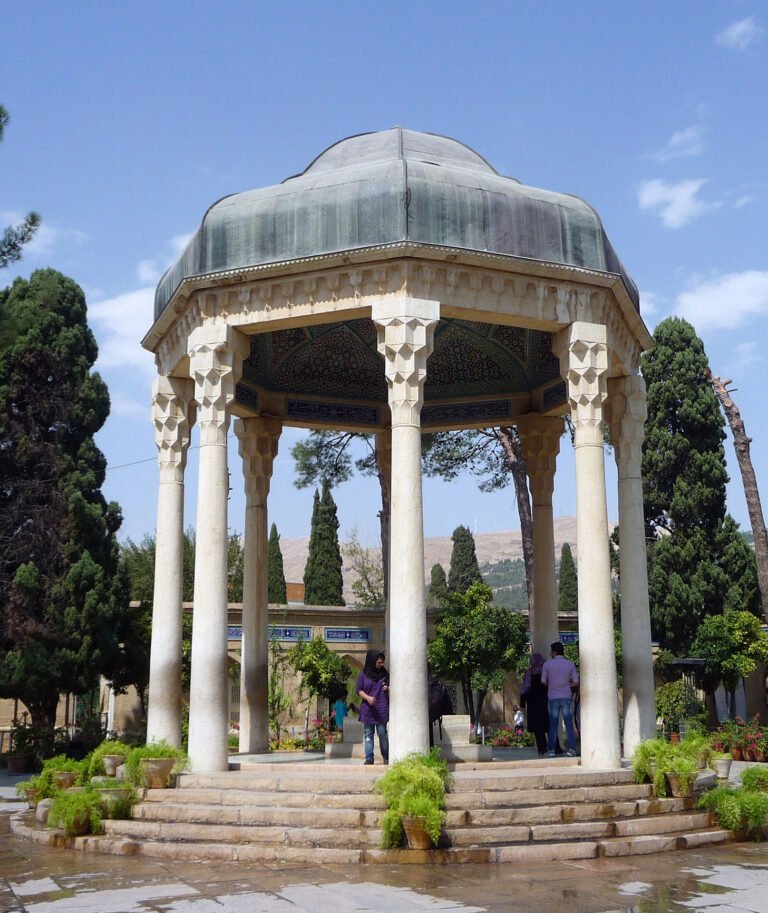
    Hafez-Tomb
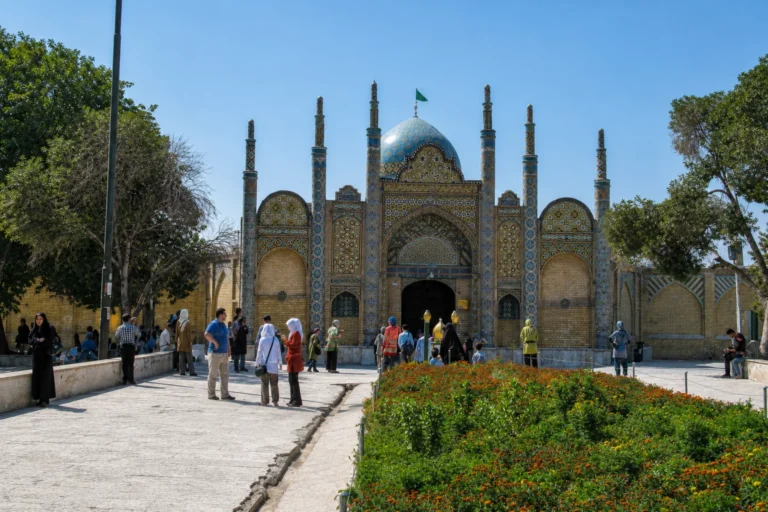
    People in a courtyard facing a mosque or shrine with a patterned facade, blue dome, minarets, arched entrances, and flower beds in front
    sari-3-pardisan
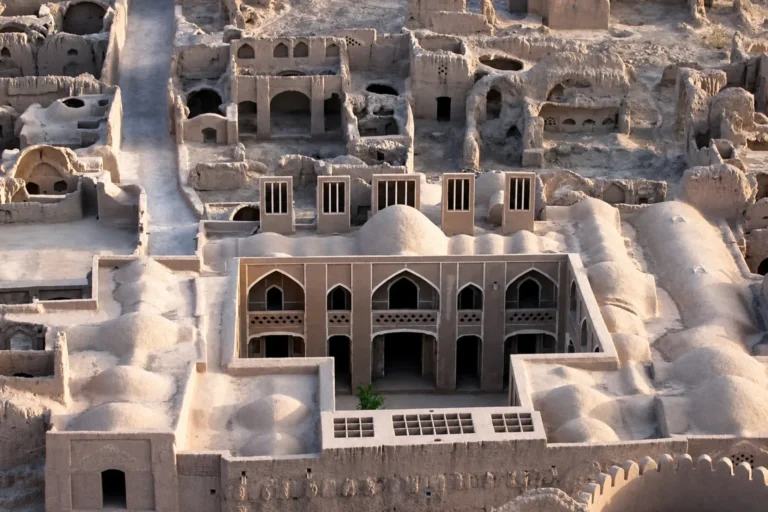
    Expansive view of an adobe fortress complex, with domed roofs, arched facades, and several tall windcatchers rising above thick earthen walls
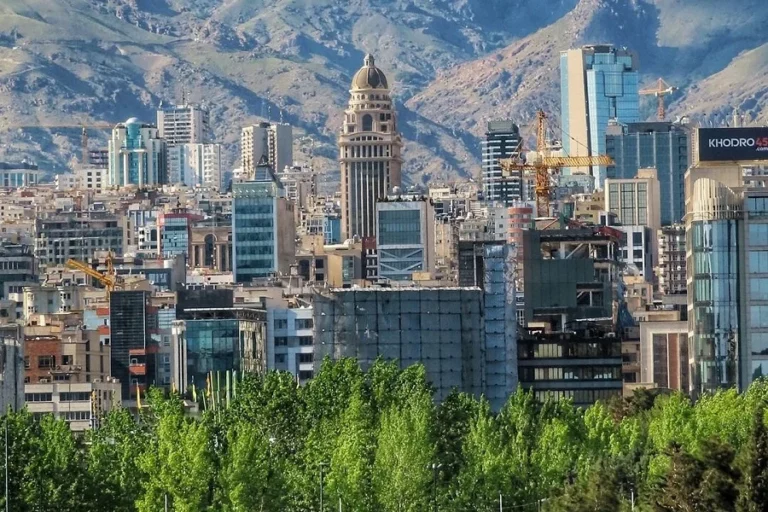
    Tehran facing Alborz Mountains
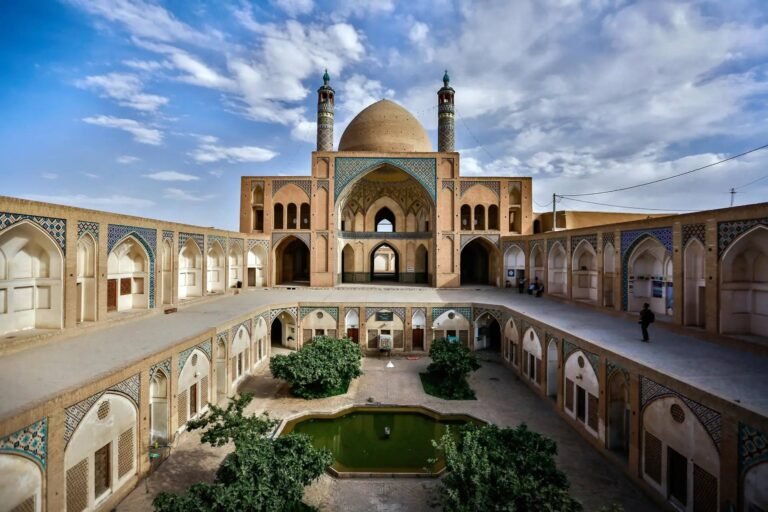
    agha bozorg mosque kashan pardisan
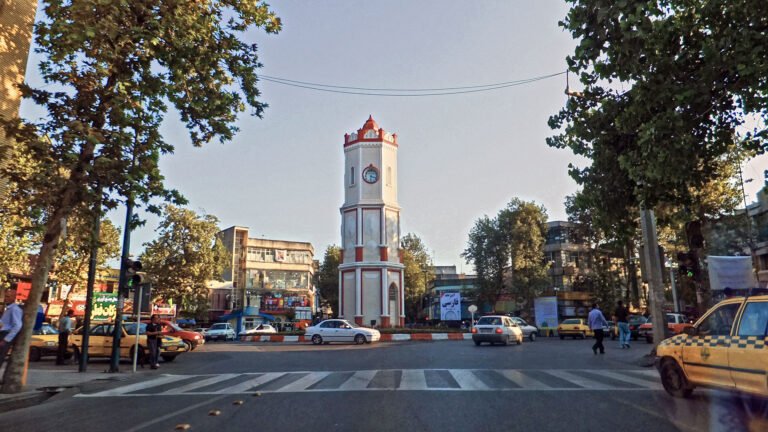
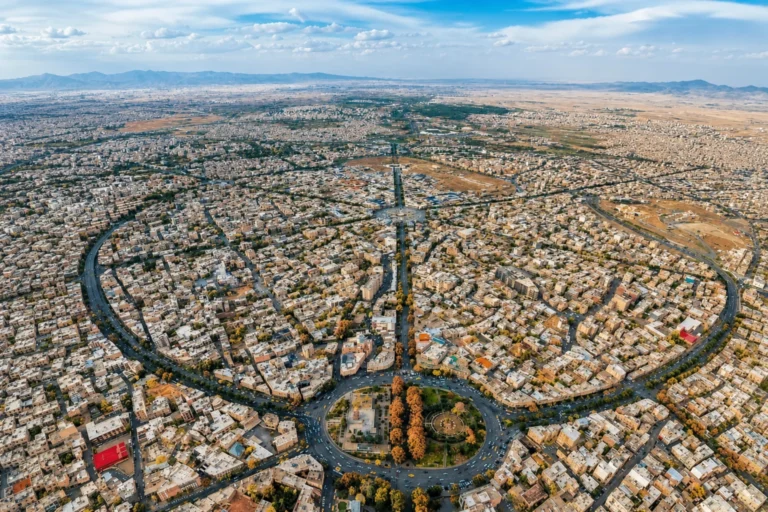
    Wide aerial view of a city with a prominent circular plaza and streets radiating outward surrounded by dense urban buildings under a blue sky
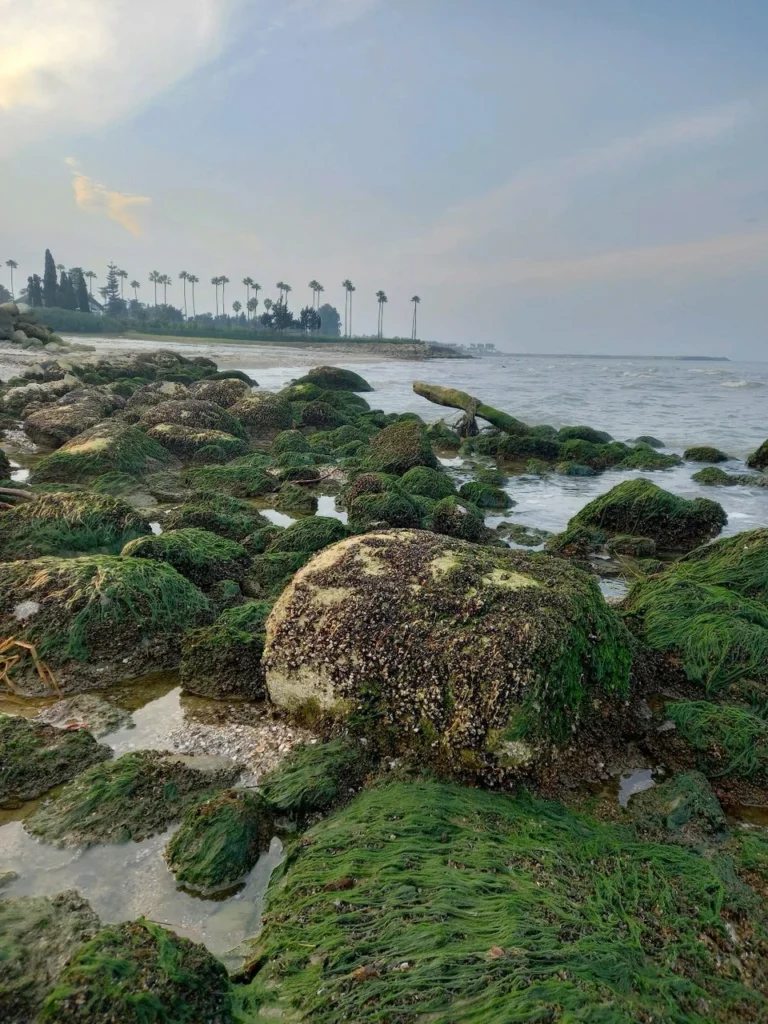
    Large moss-covered rocks along a coastal shoreline with calm waves and a row of tall palm trees in the distance under a partly cloudy sky

    Frequently Asked Questions about The Persian Heritage Trail

    Yazd is one of Iran’s best-preserved historic cities, and a focused one-day plan can cover its most atmospheric cultural & historical sights. Start early in the old town to enjoy the adobe lanes before the heat and crowds build, and keep your route walkable to save time. Begin with a loop through the historic neighborhoods and a traditional courtyard house-turned-museum or café, then head to the Amir Chakhmaq complex for its iconic façade and surrounding square. If you’re interested in Zoroastrian heritage, consider adding the Fire Temple and the Towers of Silence area; these are meaningful sites where quiet behavior and respectful photography are expected. Midday is ideal for a slower pace: seek shade in a garden, teahouse, or a windcatcher-cooled interior, and plan a longer lunch break. In the late afternoon, visit the Jameh Mosque area for tilework and the old town’s skyline, then finish with rooftop views at sunset—many hotels and cafés offer terraces, but access policies can vary. Practical tip: wear breathable clothing, carry water, and use a local guide if you want deeper context on architecture, qanat water systems, and neighborhood history. For any site-specific rules (entry, photography, or visiting times), confirm on the day locally.

    Tehran has several easy, city-based ways to get a Nature & Wildlife fix, especially along its greener northern edge. Start with Darband or Darakeh valley trails for a quick escape into mountain air, seasonal streams, and birdlife—go early on weekends to avoid crowds.

    For a more park-focused outing, head to Jamshidieh Park for rocky paths and viewpoints, or Lavizan Forest Park for shaded walks and a calmer, local feel. If you want a longer, more “wild” day, plan a trip to the Tochal area; conditions can change quickly in the Alborz foothills, so check weather and trail status locally.

    Practical tips: wear grippy shoes, bring layers, and carry water even for short hikes. Stick to marked paths, keep noise low for better wildlife spotting, and avoid feeding animals or leaving food scraps. If you’re going beyond popular paths, consider going with a local guide or experienced friend, and confirm access or any seasonal restrictions on arrival.

    In Yazd, a deeper cultural & historical visit usually means slowing down in the old city rather than trying to “collect” landmarks. Start by wandering the adobe lanes around Fahadan and similar historic quarters, where windcatchers, courtyards, and mud-brick walls explain the city’s desert architecture better than any museum label.

    For Zoroastrian heritage, consider the Fire Temple and the Towers of Silence area (often visited with a driver or taxi). Treat these as living heritage sites: keep voices low, follow any posted guidance, and ask before photographing people or ritual spaces.

    To understand Yazd’s Islamic-era history, pair a major mosque with a traditional bazaar and a historic water infrastructure stop (like an ab anbar/cistern or qanat-related exhibit). The combination shows how faith, trade, and engineering shaped daily life in a harsh climate.

    Practical tip: go early or late to enjoy softer light and cooler temperatures, and plan short breaks in tea houses or courtyard cafés. If you’re visiting during holidays or prayer times, confirm access on arrival, as some areas may be restricted temporarily.

    In Tehran, the most practical way to move between neighborhoods is to combine the metro for longer hops with taxis (or ride-hailing apps) for the “last mile.” Traffic can be heavy at many times of day, so rail can be the fastest option when your route aligns with a station.

    The Tehran Metro is straightforward for major corridors, but stations can be large and transfers may take time—build in a buffer if you’re connecting lines. Keep small cash or a local payment option handy in case ticketing machines or kiosks aren’t convenient, and check signage on platforms to confirm direction before boarding.

    For point-to-point trips, app-based rides are usually simpler than hailing on the street, especially if you don’t speak Persian or want an upfront route on your phone. If you take a classic street taxi, agree on the fare (or confirm the meter approach) before you set off, and have your destination written in Persian or pinned on a map.

    If you’re visiting popular attractions like the Grand Bazaar or central museums, consider going early to avoid peak traffic and crowds. Conditions can change, so confirm any app availability, station access, and local rules on arrival.

    In Shiraz, Eram Garden is admired not only as a classic Persian garden but also as a snapshot of how elite garden estates evolved in the late Qajar era and into the early Pahlavi period. The garden’s long axis, water channels, and layered planting are designed to guide your eye toward the pavilion, where architecture becomes part of the landscape.

    The pavilion’s façade is often the detail visitors remember most: colorful tilework with narrative scenes and ornamental motifs that reflect tastes of the time, blending courtly imagery with decorative pattern. Look closely at how the tiles frame windows and balconies—these borders act like visual “rugs,” turning the building into a display surface as much as a residence.

    On-site, the visit typically feels like a slow promenade rather than a single viewpoint. Paths can be a mix of stone and compacted surfaces, and you’ll likely pause often for photos—just be mindful of planted beds and any roped-off areas around the pavilion and water features. Photography is generally part of the experience, but it’s wise to follow posted guidance and be considerate around families and students who also use the garden as a quiet retreat.

    Tehran is at its most comfortable for walking-heavy sightseeing in the milder seasons, when you can move between museums, bazaars, and neighborhoods without extreme heat or cold. Spring and autumn generally offer pleasant daytime temperatures and clearer views toward the Alborz Mountains, making them popular for first-time visitors.

    Summer can be hot and hazy, so plan indoor anchors such as the National Museum of Iran, Golestan Palace museums, or contemporary galleries, then do outdoor stops early and late in the day. Winter brings colder weather and occasional air-quality swings; it can still be rewarding if you prioritize indoor attractions and keep your schedule flexible.

    Whenever you go, build your plan around Tehran’s traffic patterns and potential air pollution. Check local air-quality reports and consider choosing accommodations near the museums and sights you most want to see, so you can adjust your day on short notice.

    For a sightseeing-focused stay in Kashan, look for accommodation in or near the historic centre, particularly around the traditional houses and Sultan Amir Ahmad Bathhouse. This area puts several major sights within a manageable walking circuit, while the bazaar is another useful landmark when comparing locations.

    Restored courtyard houses offer an atmospheric base, but room layouts and access vary considerably. Before booking, ask about stairs, private bathrooms, heating or air conditioning, and whether your room faces a shared courtyard where conversation may carry.

    The old quarter’s narrow lanes can make the final approach with luggage less straightforward than a map suggests. Ask your accommodation for the nearest vehicle-accessible drop-off point and clear arrival directions, especially if you expect to arrive after dark.

    A central address does not put every attraction within comfortable walking distance: plan on separate transport for Fin Garden. If you are driving, confirm parking arrangements rather than assuming a historic property has spaces on-site.

    In Tehran, first-time visitors usually get the most value from a small mix of museums and a palace complex, rather than trying to “do everything.” Start with one strong overview museum for history and culture, then add an art-focused stop and a royal-era palace to balance context with visuals.

    For a broad introduction, the National Museum of Iran is commonly treated as the cornerstone, especially if you want archaeological and historical grounding before other sights. Pair it with a more specialized museum based on your interests—contemporary art, carpets, or jewelry collections are popular choices—so you’re not repeating the same themes.

    For architecture and gardens, many travelers prioritize Golestan Palace as an accessible, high-impact palace visit in central Tehran. If you’re short on time, aim for one palace complex and one museum in a day; if you have more time, add a second museum nearby to reduce time lost in traffic.

    Because galleries, ticketing, and photo rules can vary by venue and season, it’s wise to confirm current entry procedures and any restricted areas on arrival or via the museum’s official channels.

    Spring and autumn generally offer the most comfortable conditions for exploring Kashan’s historic houses, bazaar, and gardens. Days are usually milder than in summer, although temperatures can vary considerably between sunny afternoons and cool evenings, so pack layers and comfortable walking shoes.

    If rose harvesting and rosewater production are a priority, consider a spring visit with an excursion to nearby Qamsar or Niasar. The season often falls around late April and May, but weather affects the timing; check with a local guide or your accommodation before planning around a particular harvest or demonstration. This can also be a busy period, especially on weekends and holidays, so arranging accommodation ahead is sensible.

    Summer can be intensely hot, making early outdoor visits and shaded or indoor stops later in the day a more practical approach. Winter may suit travelers who prefer cooler sightseeing weather, but bring warm clothing for cold mornings and evenings, particularly if you plan excursions beyond the city.

    In Tehran, choosing the right neighborhood can save you hours in traffic and make it easier to fit museums, bazaars, and cafés into the same day. Start by deciding whether you want classic sights, modern shopping and dining, or a quieter residential feel.

    For first-time sightseeing, many travelers prefer central areas with straightforward access to major landmarks and the Grand Bazaar. Staying near large metro interchanges can also make day trips across the city simpler, especially if you plan to visit multiple museums and palaces in different districts.

    If you’re prioritizing restaurants, galleries, and a more contemporary vibe, look at northern or north-central neighborhoods where evenings tend to be livelier and streets more walkable. These areas can feel calmer and greener, but you may trade off longer travel times to older historic sites.

    Before booking, check how your accommodation handles late arrivals, ID requirements, and payment methods, which can vary. It’s also wise to confirm the exact address in Persian (or a map pin) to avoid confusion with similarly named streets.

    12 Days
    Activity type :
    Operation:
    Scroll to Top